

How to Travel as a Student on a Budget Without Missing Out
Many students face the challenge of wanting to explore the world while juggling tight budgets and academic commitments. It might seem impossible to travel extensively without compromising grades or finances.
However, it is entirely feasible for students to travel on a budget, maximizing experiences without sacrificing their educational responsibilities.
This guide provides practical strategies to help students navigate travel costs, manage their schedules, and explore the world without breaking the bank.
📋 Table of Contents
-
1
Tip 1: Prioritize Travel and Set Realistic Sacrifice Expectations
-
2
Tip 2: Build a Travel Fund Early with Smarter Side Hustles
-
3
Tip 3: Hack Your Class Schedule for Maximum Travel Days
-
4
Tip 4: Use Work-Exchange Platforms to Trade Labor for Free Board
-
5
Tip 5: Keep Flight Booking Dates Flexible and Master Off-Season Deals
-
6
Tip 6: Hunt Down Exclusive Student Flights and Avoid Under-25 Car Rental Fees
-
7
Tip 7: Choose Shared Hostels to Keep Lodging Costs Low
-
8
Tip 8: Leverage Student Discounts Everywhere from Insurance to Museums
-
9
Tip 9: Travel with a Single Backpack to Avoid Hidden Airline Fees
-
10
One Last Tip
-
11
Frequently Asked Questions
Tip 1: Prioritize Travel and Set Realistic Sacrifice Expectations

Prioritizing travel and managing sacrifices is essential for students.
Many travelers report that balancing college courses with frequent trips requires trading late-night social gatherings for study sessions on weekdays.
This means planning your trips during breaks or long weekends and being strategic about when to travel.
For instance, students can use holidays or summer breaks for international trips, allowing for more extended travel periods.
Setting realistic expectations for both travel and academic performance is crucial. Students should accept that they may have to say no to social events to make room for travel experiences.
Tip 2: Build a Travel Fund Early with Smarter Side Hustles
Building a travel fund early through smarter side hustles can significantly help reduce costs.
Utilizing Advanced Placement (AP), International Baccalaureate (IB), or College-Level Examination Program (CLEP) credits can save thousands by allowing students to skip expensive college classes.
Many travelers recommend picking up part-time tutoring jobs as a reliable source of income to fund flights and accommodations.
Tutoring not only provides financial benefits but also reinforces personal knowledge in subjects that can help academically.
Starting this process early ensures that students can save enough to cover their travel expenses while still managing their studies.
Tip 3: Hack Your Class Schedule for Maximum Travel Days
Students can maximize travel days by hacking their class schedules. Grouping lectures together or opting for online classes helps create long weekends or extended breaks for travel without falling behind academically.
Many students find that adjusting their schedules to accommodate travel plans can lead to a more fulfilling college experience.
For instance, if a student can take a majority of classes on Monday and Tuesday, they can leave for a trip on Wednesday and return by Sunday, without missing essential lectures.
Flexibility in scheduling allows for multiple trips while maintaining good grades.
Tip 4: Use Work-Exchange Platforms to Trade Labor for Free Board

Using work-exchange platforms can help students avoid high lodging costs.
Programs like WorldPackers and WWOOF allow travelers to trade daily labor for free accommodation and meals.
This arrangement significantly cuts down on travel expenses, making it easier to explore new destinations.
Many travelers have shared positive experiences from these platforms, noting the opportunity to connect with locals and gain unique insights into different cultures.
For example, volunteering on a farm in Thailand can provide both a place to stay and an immersive experience in the local community.
Tip 5: Keep Flight Booking Dates Flexible and Master Off-Season Deals
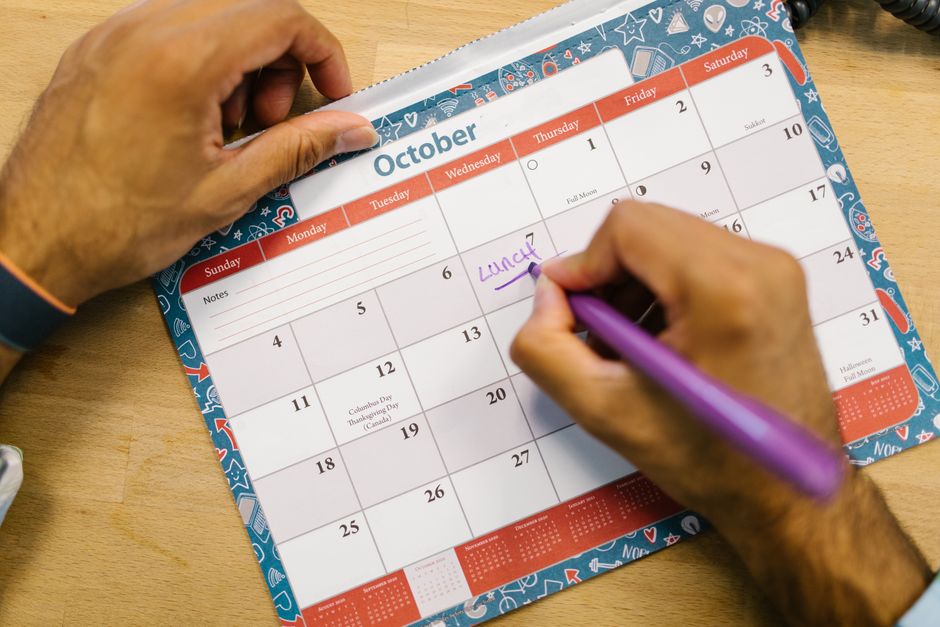
Flight booking dates can greatly affect travel costs, so students should aim for flexibility.
Many experts suggest purchasing flights on Sundays, as this is typically when airlines offer the best deals. Traveling during off-peak seasons also results in lower flight prices.
For example, booking flights to South East Asia during the shoulder season can lead to significant savings.
By being flexible with travel dates and willing to adjust plans, students can score better deals on flights and save money for other travel-related expenses.
Tip 6: Hunt Down Exclusive Student Flights and Avoid Under-25 Car Rental Fees
Students should seek out exclusive deals on flights and avoid hefty under-25 car rental fees.
Agencies like StudentUniverse often offer discounted plane tickets specifically for students, making air travel more affordable.
Additionally, using public transportation such as buses or trains can sidestep the high costs associated with renting a car under 25 years old.
For instance, companies like Amtrak provide budget-friendly options for domestic travel in the US, while Wanderu can help find affordable bus routes across Europe.
Many travelers advise planning ahead to take full advantage of these discounts.
Tip 7: Choose Shared Hostels to Keep Lodging Costs Low

Choosing shared hostels can keep lodging costs low. Rates typically range from $5 to $25 per night for shared rooms in social hostels.
Sites like Hostelworld and Hostelling International offer a variety of options, with many featuring communal kitchens that allow for meal preparation.
This can further decrease travel costs by reducing the need to eat out. Many students report enjoying the social aspect of hostels, which can enhance the travel experience.
Booking early often leads to better rates, so students should plan ahead to secure affordable accommodations.
Tip 8: Leverage Student Discounts Everywhere from Insurance to Museums
Leveraging student discounts can lead to substantial savings. Many services, from travel insurance to museum tickets, offer discounts for students.
For instance, students can receive up to 18 percent off hotel bookings with their student ID.
Companies like SafetyWing provide affordable travel insurance options for students.
Many travelers recommend always asking about discounts before making purchases or bookings, as some places may not advertise them prominently.
This simple step can help save hundreds of dollars during a trip.
Tip 9: Travel with a Single Backpack to Avoid Hidden Airline Fees

Traveling with a single backpack can help avoid hidden airline fees. Packing light not only saves money on checked baggage but also makes travel more manageable.
Many travelers suggest washing clothes on the go to minimize the amount of luggage needed.
Using a small backpack means students can navigate airports and cities more easily while avoiding extra charges.
This strategy not only saves money but also allows for more flexibility and freedom during travel.
One Last Tip
Traveling as a student on a budget is achievable with careful planning and smart strategies.
By prioritizing travel, building a fund, and leveraging discounts, students can explore new destinations without sacrificing their academic commitments.
Taking the first step towards planning a budget-friendly trip can open up a world of possibilities.
Remember to stay flexible and creative, and soon enough, you’ll be on your way to your next adventure.
Frequently Asked Questions
How can college students travel cheaply?
College students can travel cheaply by booking flights on Sundays, opting for shared hostels priced under 25 dollars, and using work-exchange programs like WorldPackers to trade labor for free room and board.
Is 5000 dollars enough for a student trip?
Yes, 5000 dollars is more than enough for student travel, as it can easily fund several weeks of low-cost accommodation, student-discounted flights, and daily street food in budget-friendly regions like South East Asia.
How can students balance travel with a busy class schedule?
Students can balance travel by enrolling in flexible online classes, arranging block schedules that group physical classes into two or three days, and planning trips around existing academic breaks.
Do student-specific travel programs actually save you money?
While structured programs like EF Ultimate Break and G-Adventures offer convenient group itineraries, they are often pricier than planning and booking a DIY trip independently.