

First-Timer Faux Pas: 8 Travel Mistakes to Sidestep for a Smooth Trip
Embarking on your first trip can be a thrilling experience, but it can also be daunting. With so much to plan and consider, it’s easy to make mistakes that can turn your dream vacation into a disaster.
From overpacking to underresearching, first-time travelers often fall into common traps that can leave them feeling frustrated and overwhelmed. In this listicle, we’ll explore the top 8 travel mistakes that first-timers make and provide you with practical tips on how to avoid them, ensuring a smooth and enjoyable journey.
Mistake 1: Underpreparing for Travel Safety

Failing to research destination safety or plan for emergencies is a common mistake first-time travelers make, which can quickly turn a dream trip into a stressful ordeal.
Before heading out, it’s crucial to understand the local crime situation, any health concerns, and potential natural disaster risks.
This involves more than just reading travel advisories; it includes staying up-to-date with local news and understanding local customs to avoid unintentionally offending locals or attracting unwanted attention.
To avoid this mistake, consider the following key steps:
- Research your destination thoroughly, looking into areas that are considered safe and those that should be avoided.
- Register with your government’s travel advisory program to receive important safety and security updates about your destination.
- Make digital copies of important documents like your passport and travel insurance, and leave a copy with a trusted friend or family member back home.
- Have a plan for emergencies, including knowing the local emergency numbers and having a means of communication.
By taking these proactive measures, you can significantly reduce the risk of encountering safety issues during your trip, ensuring a more enjoyable and stress-free travel experience.
Remember, preparation is key to a successful and safe journey, especially for first-time travelers venturing into the unknown.
Mistake 2: Overlooking Digital Payment & Currency Conversion
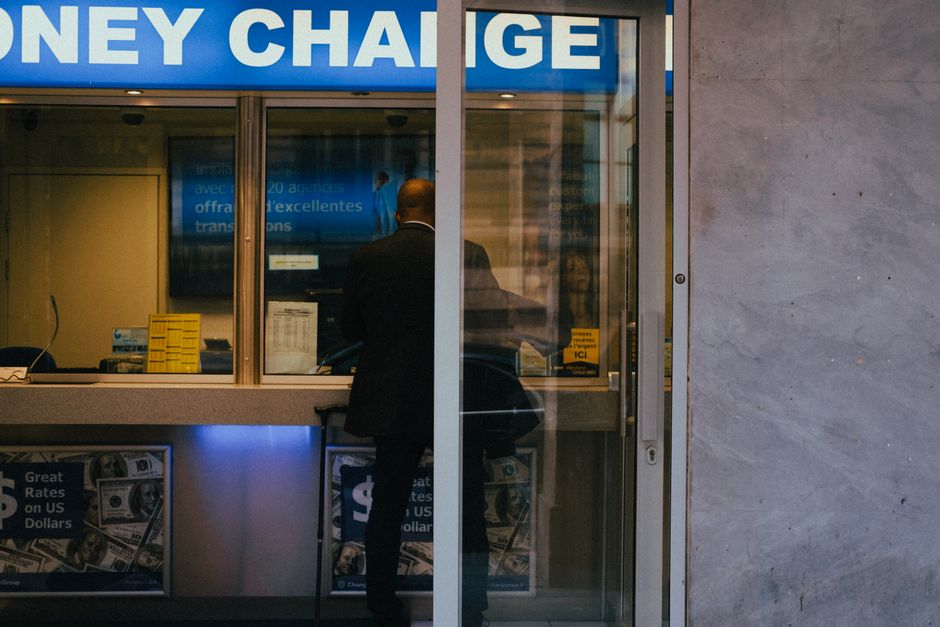
Not understanding the local currency or relying solely on cash can lead to financial hassles and inconvenience while traveling.
Many first-time travelers overlook the importance of digital payment methods and currency conversion, assuming that cash is king everywhere. However, this assumption can lead to unnecessary stress and expense.
To avoid this mistake, research your destination’s preferred payment methods beforehand. Some countries are mostly cash-based, while others prefer digital payments.
Consider loading local currency on a debit or credit card, or using a travel-friendly credit card with no foreign transaction fees.
Additionally, look into mobile payment options like Apple Pay or Google Pay, which are widely accepted in many countries.
Key things to keep in mind include:
- Informing your bank of your travel plans to avoid account restrictions
- Having a backup credit or debit card in case of emergencies
- Understanding any fees associated with international transactions
- Keeping some local cash on hand for small purchases or emergencies
By taking these steps, you can ensure a smooth and hassle-free travel experience, avoiding the financial headaches that can come with misunderstanding local currency and payment methods.
Mistake 3: Neglecting Cultural Awareness

Neglecting cultural awareness is a common mistake first-time travelers make, which can lead to unintentionally offending locals and hindering authentic experiences.
Understanding local customs and traditions is crucial to having a respectful and enriching trip. For instance, in some countries, it’s considered rude to eat with your left hand, while in others, not removing your shoes before entering a home is a sign of disrespect.
By taking the time to research and learn about the local culture, you can avoid unintended faux pas and build meaningful connections with the people you meet.
Some key aspects of cultural awareness to consider include:
- Dress codes and modesty standards
- Greetings and physical interactions, such as handshaking or bowing
- Table manners and dining etiquette
- Respect for sacred sites and religious customs
- Awareness of local festivals and celebrations
To avoid cultural blunders, start by researching your destination before you arrive. Read guidebooks, talk to fellow travelers, and follow local news and customs. This will help you understand what to expect and how to behave in different situations.
Additionally, consider taking a cultural tour or workshop to learn more about the local way of life and gain insight into the community.
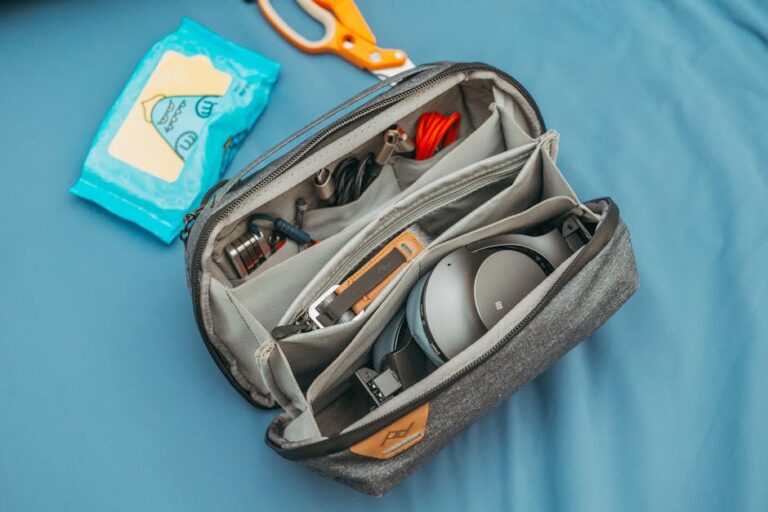
Mistake 4: Disregarding Packing Essentials and Organization

Disregarding packing essentials and organization is a common mistake first-time travelers make, leading to unnecessary stress and logistical challenges.
Overpacking can result in hefty luggage fees, while underpacking may leave you without essentials. Losing important documents, such as your passport or travel insurance, can be a disaster.
To avoid these issues, it’s crucial to strike the right balance between packing lightly and bringing everything you need.
To get it right, start by making a list of essentials, including clothing, toiletries, and important documents.
Consider the activities you have planned and the climate of your destination to ensure you’re packing accordingly. Pack multipurpose items, like a sarong that can be used as a blanket, towel, or dress, to reduce luggage space.
Keep your important documents, such as your passport and travel insurance, in a safe and easily accessible place, like a money belt or a secure pocket in your luggage.
Some key items to include in your packing list are:
- A portable power bank to keep your devices charged
- A travel adapter for charging your devices in foreign outlets
- A small first-aid kit with essentials like pain relievers and band-aids
- A packing cube system to keep your luggage organized
- Copies of your important documents, such as your passport and driver’s license, in case of an emergency.
By being mindful of what you pack and how you organize it, you can avoid the stress and hassle that comes with packing mistakes, and focus on enjoying your trip.
Mistake 5: Struggling with Airport Navigation
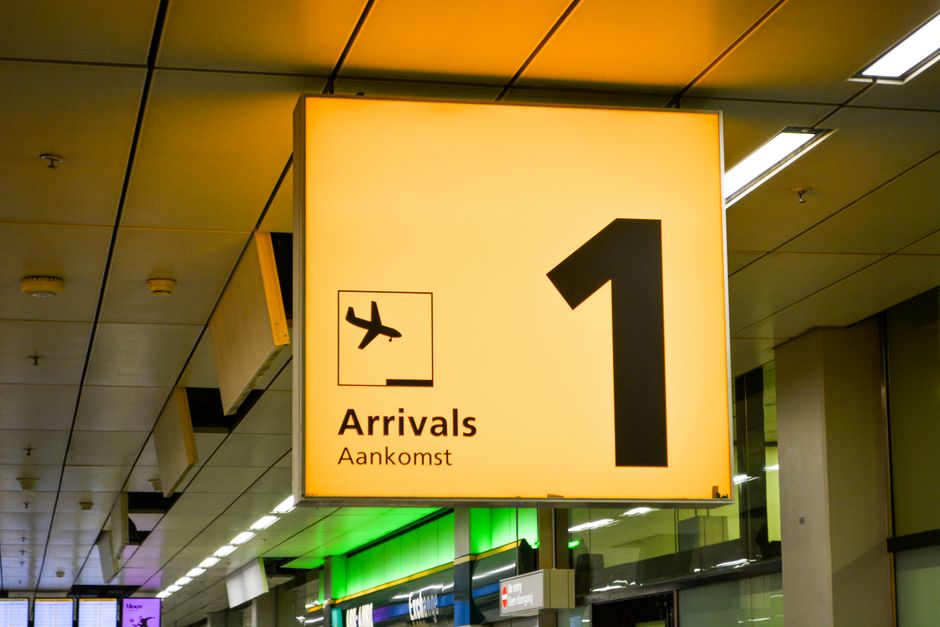
Getting lost in unfamiliar airports can be a nightmare, especially for first-time travelers. Poor planning and lack of research often lead to missed connections, wasted time, and a whole lot of stress.
To avoid this chaos, it’s essential to understand the airport layout before you arrive. Look up the airport’s terminal map and familiarize yourself with the location of check-in counters, security checkpoints, and gates.
Many airports also offer mobile apps that provide real-time updates on flight schedules, security wait times, and gate changes.
Some key things to keep in mind when navigating an airport include:
- Leaving plenty of time to account for unexpected delays or long security lines
- Knowing the difference between terminal and gate numbers to avoid last-minute sprints
- Taking advantage of airport amenities like lounges or restaurants to make your wait more comfortable
- Staying informed about any travel alerts or construction that might affect your journey
By doing your research and planning, you can avoid the anxiety of airport navigation and start your trip on a positive note.
Mistake 6: Underestimating Jet Lag and Fatigue

Not preparing for time zone changes can severely impact your energy and enjoyment during the initial days of your trip.
Jet lag and fatigue are common issues that first-time travelers often underestimate, leading to a sluggish start to their adventure. When traveling across multiple time zones, it’s essential to consider the effects of jet lag on your body.
To avoid this mistake, you can take a few simple steps:
- Adjust your sleep schedule a few days before your trip to sync with your destination’s time zone
- Stay hydrated by drinking plenty of water during your flight
- Avoid heavy meals and caffeine close to your travel time
- Plan for some downtime during your first day or two to allow your body to adjust
By being proactive and taking these precautions, you can minimize the effects of jet lag and fatigue, ensuring you’re well-rested and ready to make the most of your trip from the very beginning.
Remember, a little preparation can go a long way in making your travel experience enjoyable and stress-free.
Mistake 7: Forgetting to Stay Connected

Forgetting to stay connected is a common mistake first-time travelers make, which can lead to frustrating moments of being lost or unable to access vital information.
A dead phone battery or lack of internet access can quickly turn an exciting journey into a stressful ordeal. To avoid this, consider investing in a portable power bank to keep your devices charged on the go.
Additionally, research your destination’s internet and phone coverage beforehand to ensure you’re prepared.
Some essential items to include in your travel kit to stay connected are:
- A portable power bank with sufficient capacity to charge your devices multiple times
- A local SIM card or an international data plan to stay connected to the internet
- A travel adapter that fits your destination’s power outlets
- A money-saving messaging app to stay in touch with family and friends back home
By taking these simple precautions, you can ensure that you remain connected and able to navigate your surroundings with ease, even in unfamiliar territories.
This will not only reduce stress but also enhance your overall travel experience, allowing you to focus on enjoying the sights and sounds of your destination.
Mistake 8: Allowing Travel Anxiety to Take Over
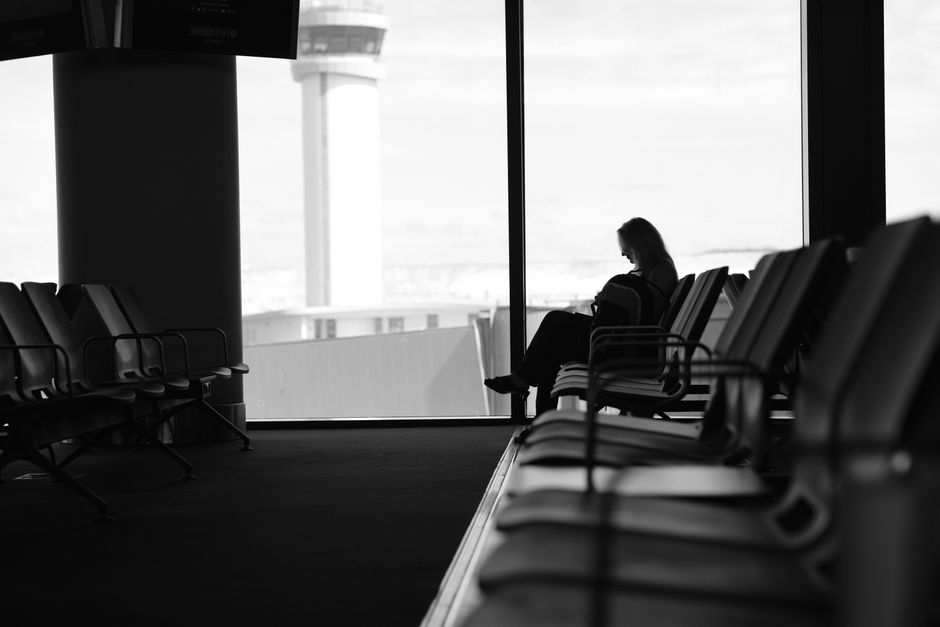
Travel anxiety can be overwhelming, especially for first-time travelers. It’s easy to get caught up in worries about language barriers, cultural differences, and unfamiliar surroundings.
However, letting anxiety take over can prevent you from fully immersing yourself in the experience and enjoying the thrill of discovery.
To avoid this, take a few practical steps before your trip:
Research your destination to familiarize yourself with local customs and norms, and consider reaching out to fellow travelers or joining online forums to gain insight from experienced explorers.
Some key strategies to manage travel anxiety include:
- staying flexible and adapting to unexpected changes in your itinerary
- focusing on the present moment and taking things one step at a time
- practicing relaxation techniques, such as deep breathing or meditation, to calm your nerves
- reminding yourself that it’s okay to not have everything figured out and that uncertainty is a natural part of the travel experience.
By acknowledging and addressing your travel anxiety, you can shift your focus from worry to wonder, and make the most of your adventure.
Remember, the unknown is what makes travel so exciting, and with a little preparation and mindset adjustment, you can turn anxiety into anticipation and make your journey a truly unforgettable one.
Start Planning Your Next Trip
Now that you’re aware of the common pitfalls that first-time travelers face, you’re better equipped to plan a successful trip. Remember to stay flexible, be open-minded, and always prioritize your safety and well-being.
By sidestepping these 8 travel mistakes, you’ll be able to focus on what really matters – creating unforgettable memories and experiencing the beauty of the world around you. So why not start planning your next adventure today and make it a trip to remember?
Frequently Asked Questions
How can first-time travelers ensure their safety abroad?
Prioritize safety by researching safe neighborhoods, sharing your itinerary with trusted contacts, and utilizing personal safety apps for emergencies.
What are common packing mistakes to prevent?
Avoid overpacking by making a detailed list, using packing cubes, and remembering to roll clothes to save space. Always have digital and physical copies of important documents.
Is it better to use cash or digital payments while traveling?
A combination is often best. Use digital payments like travel credit cards or apps like Skrill for convenience and security, but always carry some local currency for small vendors or emergencies.
How do I effectively deal with jet lag after a long flight?
Gradually adjust your sleep schedule before departure, stay hydrated, avoid excessive caffeine and alcohol, and try to get natural light exposure upon arrival to reset your body clock.
What should I do if I get lost in an unfamiliar city?
Stay calm, use offline maps on your phone, ask for directions at official tourist information centers or reputable establishments, and always have the address of your accommodation written down.