
Your First Solo Adventure: Essential Travel Tips for Beginners
Taking your first solo trip can be a daunting experience, filled with uncertainty and excitement. Many beginners wonder if they’re truly ready to embark on a journey alone, but with the right mindset and preparation, solo travel can be a life-changing adventure. In this guide, we’ll cover essential travel tips for beginners, helping you feel confident and prepared for your first solo trip.
Tip 1: Choose Your Destination Wisely
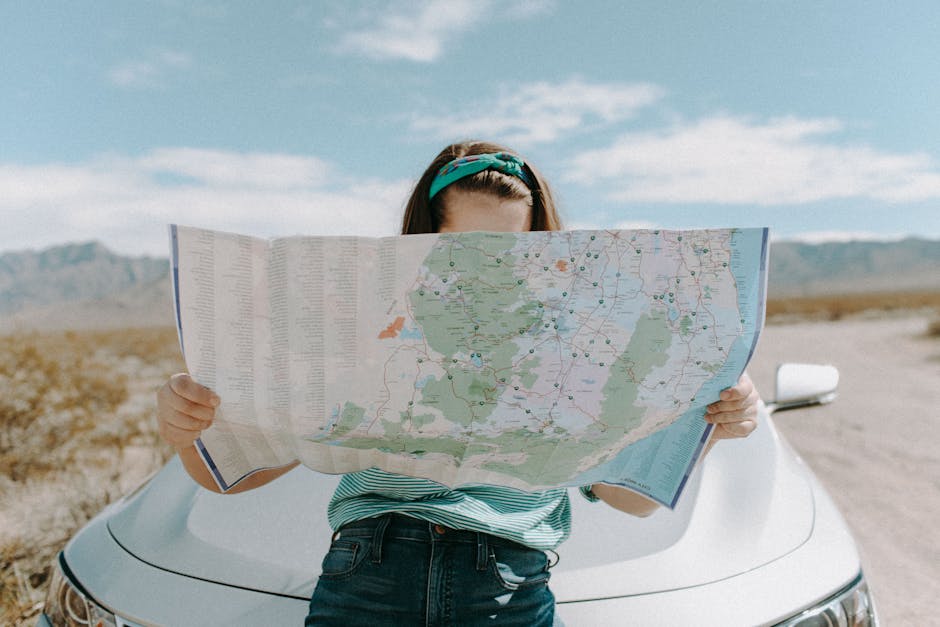
When planning your first solo trip, it’s crucial to select a destination that’s not only exciting but also safe and easy to navigate. As a beginner, you’ll want to ease into the solo travel experience, and choosing the right destination can make all the difference. Consider places like Portugal, Iceland, or New Zealand, which are known for their welcoming atmospheres and low crime rates.
These countries offer a great balance of culture, nature, and entertainment, making them perfect for solo travelers. For example, Portugal’s capital city, Lisbon, is a great place to start, with its affordable accommodations, delicious food, and scenic neighborhoods to explore. Additionally, many of these destinations have well-developed tourist infrastructures, making it easy for solo travelers to get around and find what they need.
To ensure a smooth trip, research your destination thoroughly and look for places with good transportation links, affordable accommodations, and a range of activities to suit your interests. By choosing a destination that’s well-suited for solo travelers, you’ll be able to focus on enjoying your trip, rather than worrying about safety or logistics. This will help you build confidence and make the most of your first solo adventure, setting you up for a lifetime of exciting travels.
Tip 2: Plan Your Budget and Finances
Planning your budget and finances is crucial for a stress-free solo trip. As a beginner, it’s essential to create a detailed budget that covers all aspects of your journey, from transportation and accommodation to food and activities. Start by researching your destination and estimating the costs of each component, then add a buffer for unexpected expenses.
Having an emergency fund in place can be a lifesaver, so make sure to set aside a portion of your budget for unforeseen circumstances, such as medical emergencies or travel disruptions. Consider setting up a separate savings account or credit card specifically for your trip to keep your funds organized and easily accessible.
To get started, consider the following key budgeting steps:
- Track your expenses to understand your spending habits and identify areas where you can cut back
- Research affordable accommodation options, such as hostels or budget hotels
- Plan your itinerary to include free or low-cost activities, such as visiting local markets or taking a self-guided walking tour
By taking control of your finances, you’ll be able to focus on the excitement of your solo adventure, rather than worrying about money. With a solid budget and emergency fund in place, you’ll be well-prepared to handle any situation that arises, and you can enjoy your trip with peace of mind.
Tip 3: Prioritize Safety and Security

When traveling alone for the first time, safety and security should be your top priority. Researching local customs and safe areas is crucial to avoid any unnecessary risks. Look into neighborhoods that are known to be tourist-friendly and try to stay in well-lit and populated areas, especially at night.
Sharing your itinerary with trusted contacts back home is also a good idea, so they know where you are and can raise an alarm if something goes wrong. Make sure to give them a copy of your flight itinerary, hotel reservation, and any other travel plans. This way, someone always knows where you are and can help in case of an emergency.
To stay safe, always trust your instincts and be aware of your surroundings. If a situation or place feels uncomfortable, don’t hesitate to leave. Additionally, consider taking some basic precautions such as:
- Keeping your valuables secure and out of sight
- Avoiding walking alone in dimly lit or deserted areas
- Keeping your hotel room door locked and using the hotel safe
By taking these simple steps, you can significantly reduce the risks associated with solo travel and have a more enjoyable and stress-free trip. Remember, it’s always better to be safe than sorry, and with some basic precautions, you can focus on enjoying your first solo adventure.
Tip 4: Master Essential Packing
Packing for your first solo trip can be daunting, but mastering the art of packing light and smart is crucial for a stress-free adventure. Start by selecting versatile clothing items that can be mixed and matched to create multiple outfits, and consider packing clothes that can be easily hand-washed and dried if needed.
Necessary medications and a small first-aid kit are also must-haves, so be sure to include any personal medications, pain relievers, and band-aids in your packing list.
A small daypack for daily excursions is also a good idea, leaving room in your main luggage for souvenirs and any items you might acquire during your trip.
To ensure you’re well-prepared, consider packing:
- A portable charger for your phone or other devices
- A travel-sized toiletry bag with essentials like toothbrush and toothpaste
- A small umbrella or raincoat in case of unexpected weather
By packing smart and light, you’ll have more room for comfort and flexibility during your trip, and less to worry about when you’re on the go.
Tip 5: Embrace Flexibility and Openness
Embracing flexibility and openness is crucial for a successful and enjoyable solo travel experience, especially on your first trip alone. This mindset allows you to adapt to unexpected changes, meet new people, and explore opportunities that you may not have considered before. By being open, you can turn unexpected detours into memorable experiences.
Having a loose plan is a good starting point, but don’t be afraid to stray from it if something more interesting comes up. For instance, you might meet fellow travelers at your hostel who invite you to join them on a hike, or stumble upon a local festival that’s not listed in your guidebook. Being flexible means you can take advantage of these spontaneous opportunities and create unique experiences that are often more rewarding than sticking to a rigid itinerary.
To cultivate this mindset, try to approach your travels with a sense of curiosity and wonder. Be willing to try new foods, visit unexpected places, and engage with locals. By doing so, you’ll not only have a more authentic experience but also become more confident in your ability to navigate unfamiliar situations. Remember, the goal of solo travel is to challenge yourself and step out of your comfort zone, so be open to new experiences and see where they take you.
Tip 6: Stay Connected
Staying connected while traveling alone is crucial, especially on your first solo trip. One of the most important solo travel tips for beginners is to ensure you have a reliable way to communicate with family and friends back home, as well as access to emergency services. Consider purchasing a local SIM card or activating international roaming on your existing plan to stay in touch.
Having a working phone can be a lifesaver in case of emergencies, and it also allows you to stay in touch with loved ones, which can help alleviate any anxiety or homesickness. Additionally, with a local SIM card or international roaming, you can easily navigate unfamiliar places using GPS and access important travel information.
To stay connected, you can also consider the following options:
- purchasing a portable Wi-Fi hotspot for data access in multiple countries
- downloading messaging apps that work over Wi-Fi, such as WhatsApp or Facebook Messenger
- leaving a copy of your itinerary with a trusted friend or family member back home. By taking these simple steps, you can ensure a safe and enjoyable solo travel experience, and stay connected with the people who matter most.
Tip 7: Overcome Loneliness
One of the biggest concerns for solo travel beginners is the potential for loneliness, but there are several ways to combat this. Staying in social accommodations like hostels is a great way to meet fellow travelers, as many hostels offer communal spaces and organize group activities.
Joining group tours or participating in local activities is another excellent way to connect with others, whether it’s a guided hike, a cooking class, or a language exchange. These settings provide a natural opportunity to strike up conversations and make new friends.
To make the most of these social opportunities, consider the following:
- Research your accommodation options thoroughly to find places with a strong social vibe
- Look for group tours or activities that align with your interests, making it easier to bond with like-minded people
- Be open and friendly, and don’t be afraid to initiate conversations with others. With a little effort, you can turn a solo trip into a memorable adventure filled with new connections and experiences.
Tip 8: Document Your Journey
Capturing your solo travel experiences is a great way to reflect on your journey and share it with others. By documenting your trip, you can relive the memories and moments that made your adventure so special. Consider taking photos of the places you visit, the people you meet, and the food you try, as these will serve as tangible reminders of your experiences.
Journaling is another excellent way to document your journey, allowing you to process your thoughts and emotions in a more introspective way. Write down your daily experiences, the challenges you face, and the lessons you learn, as these will provide valuable insights into your personal growth. You can also include ticket stubs, postcards, or other small mementos to make your journal more engaging.
To get started with documenting your journey, start by choosing a method that works for you, whether it’s photography, journaling, or blogging. Some key items to include are:
- A camera or smartphone to take photos
- A travel journal to write down your thoughts and reflections
- A blogging platform to share your experiences with others. By documenting your solo adventure, you’ll be able to cherish the memories and share them with friends and family, inspiring others to embark on their own solo travel journeys.
Before You Go
As you prepare for your first solo adventure, remember to stay flexible, be open to new experiences, and trust your instincts. Don’t be afraid to ask for help, and always prioritize your safety. With these tips and a positive attitude, you’ll be well on your way to creating unforgettable memories. Save this guide for your next trip planning session and share it with your fellow travel enthusiasts to inspire their own solo adventures.
Frequently Asked Questions
Is solo travel safe for a first-timer?
Yes, solo travel can be very safe for a first-timer if you choose a beginner-friendly destination, research local safety tips, and maintain awareness of your surroundings.
How do I choose the best destination for my initial solo journey?
Opt for countries or cities known for low crime rates, good public transportation, and a welcoming culture for solo visitors. European cities like Reykjavik, Amsterdam, or Lisbon are often recommended for beginners.
What are the top ways to meet people while traveling alone?
Stay in hostels, join walking tours or cooking classes, use social travel apps, participate in free local events, and be open to striking up conversations with locals and fellow travelers.
How can I manage my budget effectively on a solo trip?
Create a daily budget, track your expenses, cook some of your meals, utilize public transport, and look for free attractions to keep costs down.
What should I pack for my first solo adventure?
Focus on versatile clothing, essential toiletries, a universal adapter, a portable charger, necessary documents, a small first-aid kit, and consider a safety whistle or door stop.