

7 Common Travel Planning Mistakes to Avoid on Your Next Trip
Many travelers experience the frustration of lost luggage, missed flights, or over-scheduled itineraries, turning their anticipated vacations into stressful ordeals. These scenarios are often the result of common planning mistakes that can easily be avoided. Educating yourself on these pitfalls can lead to a smoother, more enjoyable trip.
Here are seven common travel planning mistakes and how to steer clear of them.
📋 Table of Contents
-
1
1. Failing to Research Local Entry Rules and Customs
-
2
2. Overpacking Heavy Suitcases and Skipping Laundry Planning
-
3
3. Skipping Travel Insurance to Save a Few Dollars
-
4
4. Over-scheduling Your Itinerary and Underestimating Transit Times
-
5
5. Planning Intense Sightseeing Immediately After a Long Flight
-
6
6. Saving Only for Flights and Forgetting to Budget for Activities
-
7
7. Overpaying for Rental Car Coverages and Lacking Cash
-
8
Start Planning Your Next Trip
-
9
Frequently Asked Questions
1. Failing to Research Local Entry Rules and Customs

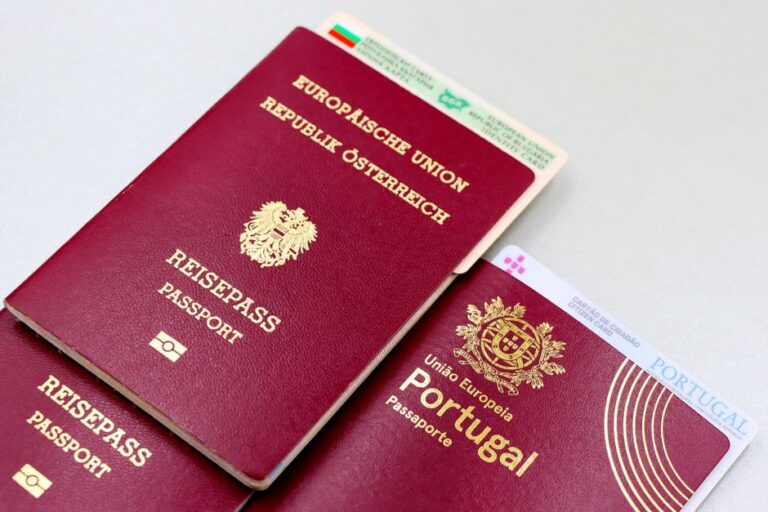
Failing to research local entry rules and customs can lead to denied boarding or uncomfortable situations upon arrival. Many countries require passports to be valid for at least six months from the date of entry. Travelers should also verify visa requirements well in advance, as some destinations have strict entry protocols.
For example, some regions in Africa mandate the yellow fever vaccine. Additionally, understanding cultural norms is crucial; tipping is customary in the US but considered rude in Japan. A common issue is that travelers overlook vaccinations for diseases like hepatitis A and B or typhoid, which could endanger their health during the trip.
2. Overpacking Heavy Suitcases and Skipping Laundry Planning

Overpacking heavy suitcases limits mobility and can lead to unexpected airline baggage fees. For instance, some airlines charge overweight baggage fees that can range from $50 to $200, depending on the airline and weight. Many travelers report that they often bring items they never use.
Packing light and choosing versatile clothing can help. Consider planning quick laundry stops, like using a washer/dryer at an Airbnb, to refresh your wardrobe mid-trip. In places like Stryn, Norway, or Arthur’s Point, New Zealand, doing laundry can be a practical and cost-effective option.
3. Skipping Travel Insurance to Save a Few Dollars

Skipping travel insurance can pose a significant financial risk. Many travelers believe they can save money by forgoing insurance, but this decision can lead to overwhelming costs. For instance, medical emergencies or trip cancellations can result in expenses totaling thousands of dollars.
Surveys indicate that 63 percent of Americans skipped buying travel insurance for their trips. Without coverage, travelers are left vulnerable to financial setbacks, making travel insurance a crucial safety net that should not be overlooked.
4. Over-scheduling Your Itinerary and Underestimating Transit Times

Over-scheduling your itinerary leads to a rushed journey and missed opportunities for enjoyment. Many travelers underestimate transit times when packing their schedules with too many destinations. This can result in spending more time checking in than appreciating the site.
For example, a trip through Tasmania that includes stops in Zeehan, Hobart, and Queenstown can quickly become overwhelming if little time is allotted for travel between locations. Consider allowing for buffer time and rest days to enhance your travel experience.
5. Planning Intense Sightseeing Immediately After a Long Flight

Planning intense sightseeing immediately after a long flight can lead to severe fatigue. Many travelers ignore their body’s natural response to jet lag, resulting in exhaustion that can ruin the first days of their trip. After long flights to places like Europe, India, or Japan, it’s wise to plan relaxed activities on the first day.
This allows time for rest and adjustment rather than diving straight into a packed sightseeing schedule, ensuring a better start to your vacation.
6. Saving Only for Flights and Forgetting to Budget for Activities

Saving only for flights and accommodation can leave travelers unprepared for the local experiences that define their trip. Budgeting strictly for transport and lodging means missing out on cultural activities, local tours, and attractions. For instance, in Mauritius and Sri Lanka, experiences like boat tours or exploring local markets can enhance the travel experience.
Setting aside a specific budget for activities is essential for a well-rounded trip, allowing you to fully enjoy what your destination has to offer.
7. Overpaying for Rental Car Coverages and Lacking Cash

Overpaying for rental car coverages and failing to carry local cash can quickly drain vacation funds. Many travelers make the mistake of exchanging cash at airport counters, where rates are often unfavorable. Instead, using local ATMs or credit cards that offer better rates is advisable.
Additionally, purchasing rental car insurance directly from the rental counter is usually the most expensive option. Researching rental options through websites like Google Maps or advisor websites can help identify better rates and coverage options, saving you money during your travels.
Start Planning Your Next Trip
By avoiding these common travel planning mistakes, travelers can improve their overall experience while protecting their budget and peace of mind. Prioritize research on local customs, learn to pack efficiently, and ensure you budget for both expenses and activities. Taking these steps can lead to a more enjoyable trip, allowing you to focus on creating lasting memories instead of dealing with preventable issues.
Frequently Asked Questions
What is the most forgotten item when traveling?
Physical paper copies of vital travel documents like your passport, visa confirmations, and itinerary details are the most critically forgotten items.
How can I avoid overpacking when traveling?
Stick to a single color scheme for easy outfit mix-and-matching, pack only one week of clothes regardless of trip length, and plan to wash laundry mid-trip.
Why is travel insurance important and what are its risks if skipped?
Travel insurance serves as a financial safety net against flight cancellations, medical emergencies, or theft; skipping it means you must pay all crisis costs out of pocket.
What are the consequences of over-scheduling or underestimating travel time?
Over-scheduling results in extreme exhaustion, high stress, and wasted money, as even minor transit delays can completely derail your sequential bookings.
Should I include rest days while traveling and why is slow travel better?
Yes, scheduling rest days keeps you healthy and alert. Slow travel allows you to connect with a destination, eat where locals eat, and reduce overall transit expenses.