
How to Stay Healthy While Traveling Across Multiple Countries
Traveling across multiple countries is thrilling, but it can also lead to health issues if you’re not careful. The constant changes in time zones, climates, and food can strain your immune system. This guide offers practical advice on how to maintain your physical and mental health without overspending while navigating different countries.
📋 Table of Contents
-
1
Step 1: How Do You Prepare Medically Before Crossing Borders?
-
2
Step 2: How Can You Beat Jet Lag and Manage Sleep Across Time Zones?
-
3
Step 3: What Are the Essential Health Precautions to Take During Long Flights?
-
4
Step 4: How Do You Maintain a Nutritious Diet and Stay Hydrated on the Road?
-
5
Step 5: What Are the Best Practices for Safe Eating and Water Safety Abroad?
-
6
Step 6: Which Personal Hygiene Practices Are Crucial to Prevent Sickness?
-
7
Step 7: How Should You Handle Common Ailments and Minor Injuries?
-
8
Step 8: How Do You Protect Your Mental Health and Avoid Travel Burnout?
-
9
Before You Travel
-
10
Frequently Asked Questions
Step 1: How Do You Prepare Medically Before Crossing Borders?
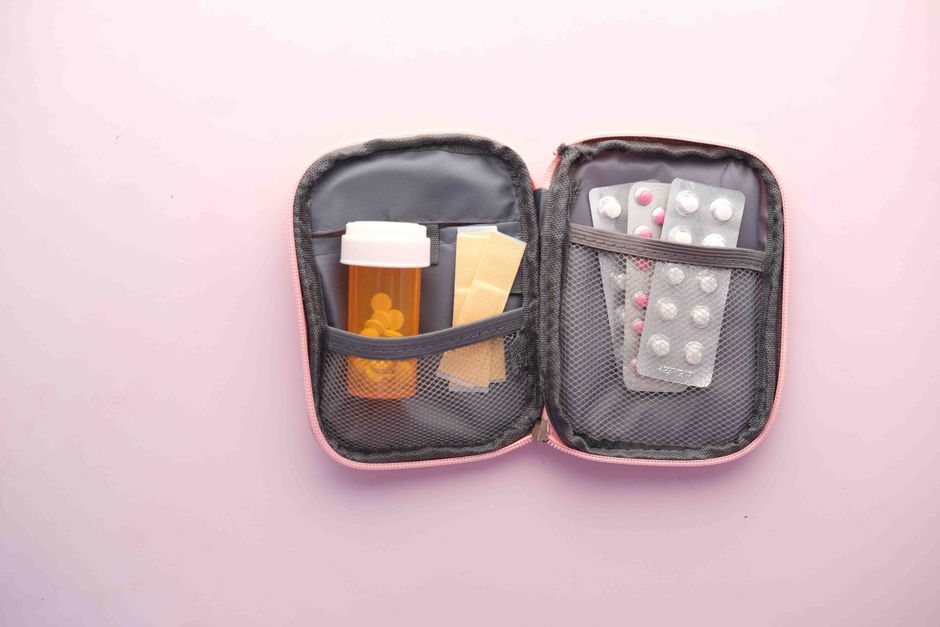
To prepare medically before crossing borders, secure comprehensive travel insurance. Many travelers recommend researching necessary immunizations for each destination, especially if visiting regions like Europe or Asia. Also, organize a digital copy of your medical records for easy access.
Ensure any essential prescription names are translated into their generic chemical equivalents, which can be crucial when buying medications abroad. In the US, medications like Sudafed, which contains pseudoephedrine, face strict purchase limits or bans in certain countries. Having this information ready can save you time and hassle when you need medical care.
Step 2: How Can You Beat Jet Lag and Manage Sleep Across Time Zones?
Jet lag can quickly deplete your energy while traveling, so managing sleep across time zones is essential. Flight crews suggest either adapting immediately to local time or sticking to your home-base time zone if your stay is under 32 hours. Many travelers report that adjusting to local time works best for longer stays.
Prioritize getting 7 to 8 hours of sleep per night to help your body adjust. Consider using apps like Insight Timer to guide relaxation techniques. A common mistake is to ignore sleep needs, leading to fatigue that affects your trip.
Step 3: What Are the Essential Health Precautions to Take During Long Flights?
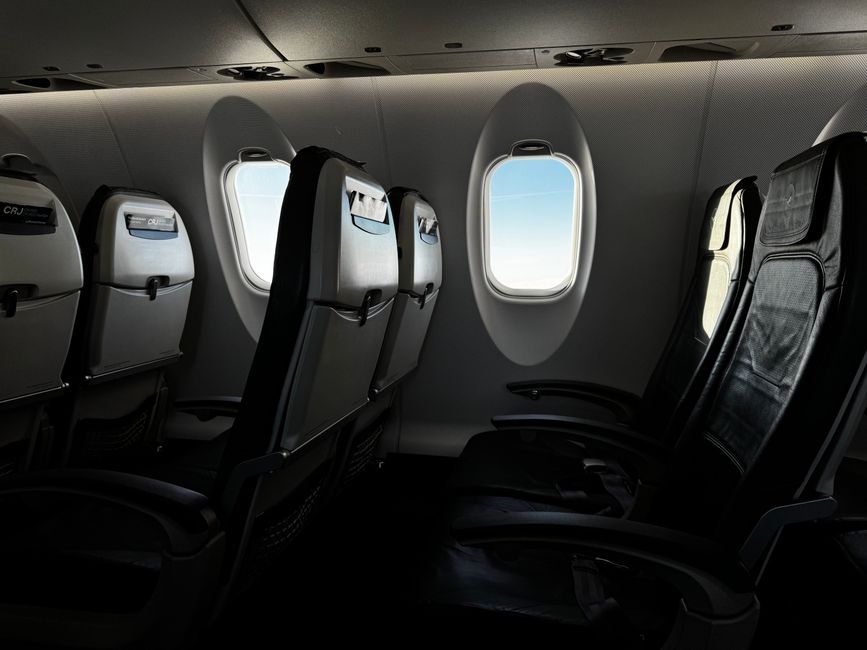
Dehydration and poor blood circulation pose significant health risks during long flights. To minimize the risk of blood clots, wear compression socks and perform ankle flexing exercises regularly. Walking down the aisles during quiet periods of the flight is also beneficial.
Qantas has introduced Wellbeing Zones on its new A350 planes to encourage movement on long flights, such as those from Sydney to London. Many travelers find that these practices help them feel better upon arrival. Staying hydrated is equally important; drink at least eight ounces of water for every hour in the air.
Step 4: How Do You Maintain a Nutritious Diet and Stay Hydrated on the Road?

Maintaining a nutritious diet and staying hydrated while traveling can counteract the effects of airline food, which is often high in sodium. To combat bloating and dehydration, drink eight ounces of water for every hour you fly. Many travelers suggest supplementing your diet with Vitamin C, Vitamin D, and zinc.
The Aerospace Medical Association recommends these vitamins to support your immune system during long journeys. Eating more fruits and vegetables when possible can further enhance your nutrition.
Step 5: What Are the Best Practices for Safe Eating and Water Safety Abroad?

Eating local street food can be a highlight of your travels, but safety requires selectivity. Stick to crowded stalls with high turnover where food is cooked thoroughly right in front of you. Avoid drinking tap water or using ice cubes outside of Western Europe to minimize health risks.
A common issue is travelers experiencing foodborne illnesses after eating at less reputable places. Thick-skinned fruits, like oranges, can be a safer option to avoid contamination while still enjoying local flavors.
Step 6: Which Personal Hygiene Practices Are Crucial to Prevent Sickness?
Good personal hygiene practices are crucial to prevent sickness while traveling. Wash your hands with soap and water whenever possible, especially after using public transport. Carry an alcohol-based hand sanitizer like Purell for on-the-go sanitation.
Many travelers report that regular hand washing significantly reduces their chances of falling ill, especially in crowded places. Remember, hand sanitizer must contain at least 60 percent alcohol to be highly effective against major pathogens.
Step 7: How Should You Handle Common Ailments and Minor Injuries?

To handle common ailments and minor injuries, pack a robust first-aid kit. Include painkillers like Tylenol, antihistamines like Claritin, and digestive remedies such as Pepto-Bismol. Many travelers find that brand-name medications might not be available in foreign pharmacies.
For sprains from cobblestone streets, treat them quickly using rest, ice, compression, and elevation within the first 48 hours. Being prepared can help manage minor issues before they disrupt your trip.
Step 8: How Do You Protect Your Mental Health and Avoid Travel Burnout?
Protecting your mental health is just as important as physical health. Intense sightseeing can lead to mental exhaustion and culture shock. To prevent sensory fatigue, schedule rest days during your travels.
Step back when needed and seek small, familiar comforts, such as visiting a local Starbucks to recharge. Many travelers suggest that taking breaks helps them enjoy their trips without feeling overwhelmed. Ignoring mental health needs can lead to burnout, so make time for relaxation.
Before You Travel
Maintaining your physical and mental health while traveling across multiple countries requires preparation and pacing. Packing a smart first-aid kit, staying hydrated during long flights, and prioritizing rest can keep your journey enjoyable. By following these health tips, you can ensure that your travels remain rewarding rather than exhausting.
Frequently Asked Questions
How to stay healthy while traveling internationally?
Maintain your physical health by drinking bottled water, getting at least seven hours of sleep nightly, practicing hand hygiene, and moving during long transit flights.
How to prevent sickness when traveling internationally?
Avoid illness by getting necessary vaccinations before departure, eating only hot and thoroughly cooked foods, and avoiding tap water in regions with poor sanitation infrastructure.
How to keep your immune system strong while traveling?
Keep your immunity high by minimizing high-sodium processed foods, taking targeted supplements like Vitamin C and zinc, and avoiding physical exhaustion.
How long does it take your body to recover from travel?
It generally takes your body one day per time zone crossed to fully recover from the physiological effects of jet lag and return to normal sleep patterns.