
The International Travel Safety Checklist: What to Do Before You Board
True travel preparedness is not about fearing the worst but about setting up simple systems so you can explore foreign cities without a constant sense of anxiety.
Start by addressing the underlying anxiety of international travel, positing preparedness not as a chore but as the ultimate freedom and key to unlocking truly immersive, worry-free adventures.
Imagine the joy of seamless travel, knowing every safety aspect is covered.
📋 Table of Contents
-
1
Step 1: Secure Your Essential Travel Documents and Digital Backups
-
2
Step 2: Complete Pre-Departure Logistics and Communications
-
3
Step 3: Secure Your Home and Mail While Away
-
4
Step 4: Prepare Your Health, Medical Supplies, and First-Aid Kit
-
5
Step 5: Purchase the Right Travel Insurance Coverage
-
6
Step 6: Set Up Your Travel Finances and Credit Cards
-
7
Step 7: Stay Aware and Maintain a Low Profile to Avoid Petty Theft
-
8
Step 8: Research and Minimize Destination-Specific Safety Risks
-
9
Step 9: Pack Smarter with Travel-Sized Essentials
-
10
A Final Safety Walkthrough Before You Head Out
-
11
Frequently Asked Questions
Step 1: Secure Your Essential Travel Documents and Digital Backups
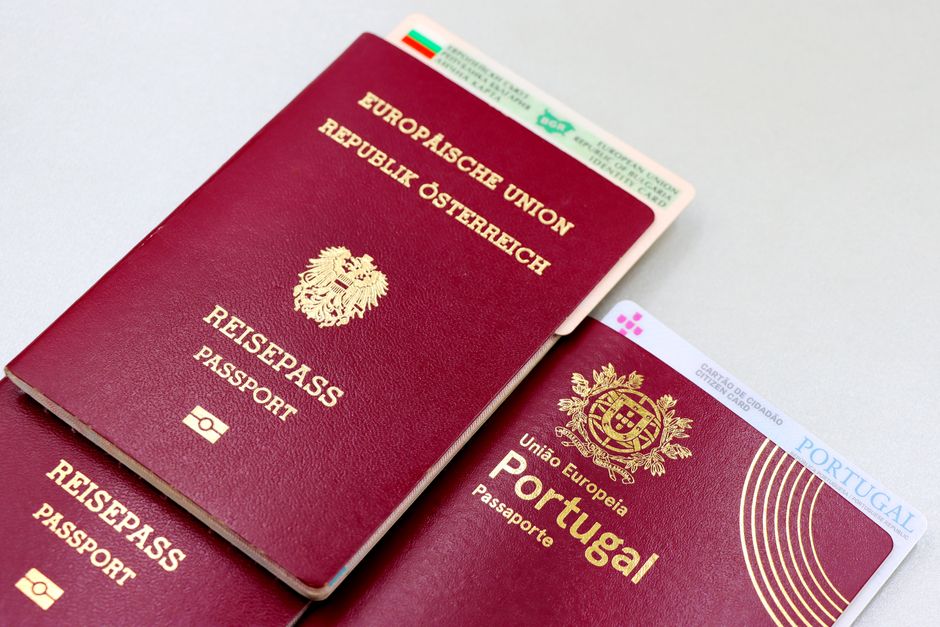
Before anything else, confirm your passport has at least six months of validity remaining and make digital copies of all essential paperwork.
The U.S. State Department emphasizes the importance of having a valid passport with blank pages for visas.
Use an app like Scanner Pro to create digital copies of your passport, visa, and other important documents.
It’s advisable to email these scans to yourself or store them in a secure cloud service. Remember, your old passport becomes invalid immediately when you submit a renewal request.
Many travelers report that having these backups can save time and stress if something goes missing.
Additionally, consider enrolling in TSA PreCheck, Global Entry, or CLEAR for smoother airport experiences.
Step 2: Complete Pre-Departure Logistics and Communications
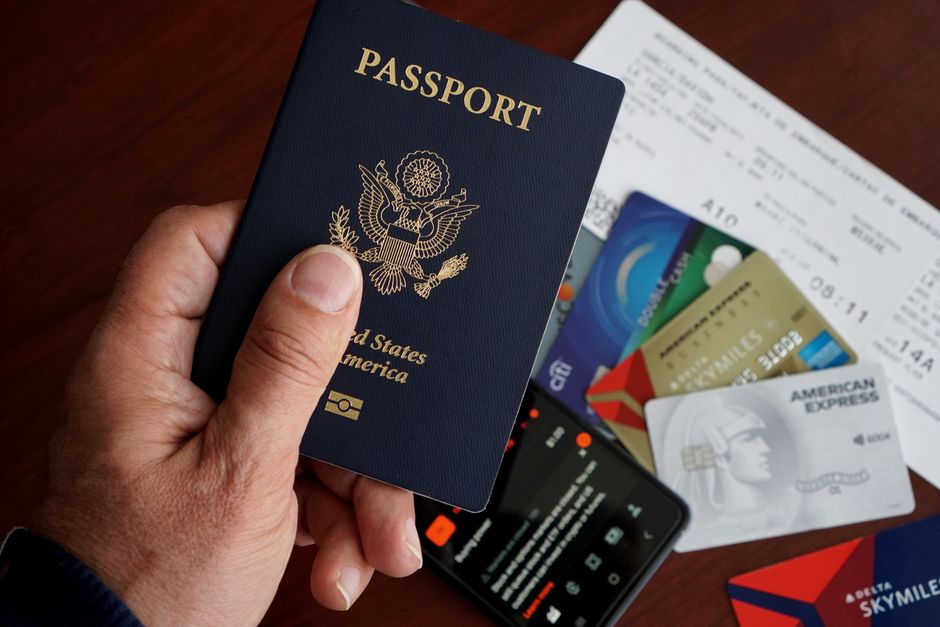
Set up your communication channels by acquiring an international eSIM and downloading offline Google Maps.
These are crucial steps to avoid getting stranded without a network connection. Many travelers recommend researching various international phone plans that suit your needs.
An international eSIM allows you to stay connected without incurring high roaming fees.
Offline Google Maps are essential for navigating unfamiliar areas without relying on data. Share your itinerary with a family member or friend before you leave.
This keeps someone informed about your travel plans, enhancing safety and peace of mind.
Step 3: Secure Your Home and Mail While Away

Arrange for the US Postal Service to hold your physical mail for up to 30 days. This service helps maintain home security while you’re away.
You can also use USPS Informed Delivery to manage your mail digitally.
Coordination with house sitters is another important aspect. Having someone check on your property ensures it remains safe and occupied.
Consider using services like Trusted Housesitters or House Sitters America to find reliable sitters.
Many travelers find that these precautions add significant peace of mind, knowing that their home is secure during their absence.
Step 4: Prepare Your Health, Medical Supplies, and First-Aid Kit
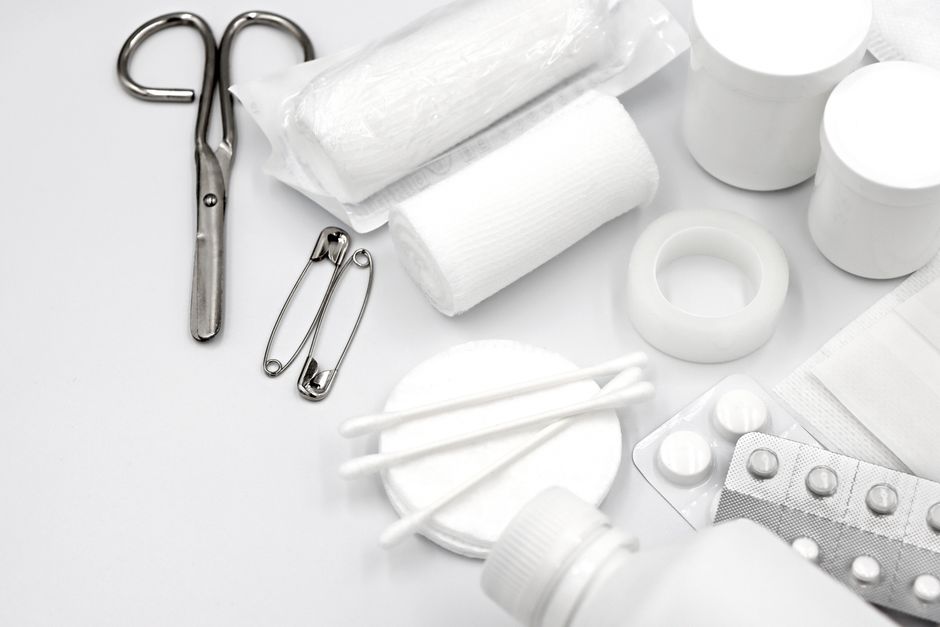
Assemble a travel first-aid kit with basic medications in their original containers. It’s also important to secure any country-specific immunizations required for entry.
Many travelers suggest including items like Dramamine for motion sickness and Melatonin for sleep regulation, especially if you’re crossing multiple time zones.
Check with travel clinics to ensure you have the necessary immunizations.
Keep copies of your prescriptions in case you need to refill them abroad.
Being prepared with health essentials is crucial for staying safe and healthy while traveling.
Step 5: Purchase the Right Travel Insurance Coverage
Evaluate single-trip versus annual travel insurance policies to protect yourself against medical evacuations and unexpected trip cancellations.
Many travelers report that having travel insurance alleviates concerns over unforeseen issues, such as a medical emergency or trip interruption.
Look for policies that offer comprehensive coverage, including Cancel For Any Reason (CFAR) options.
World Nomads insurance is often recommended for international travelers.
Prices can vary significantly, so compare options carefully to find the best fit for your travel needs.
Step 6: Set Up Your Travel Finances and Credit Cards
Inform your bank of your itinerary and choose credit cards that do not charge foreign transaction fees.
Many travelers advise avoiding currency exchange at airport counters due to poor exchange rates. Instead, use a local bank ATM to withdraw cash as needed.
Utilize a currency exchange app to monitor rates and ensure you’re getting a fair deal.
Also, having a debit card that works internationally can provide an additional layer of financial flexibility.
This planning can help you manage your travel finances effectively and avoid unnecessary charges.
Step 7: Stay Aware and Maintain a Low Profile to Avoid Petty Theft

Avoid standing out as an obvious tourist to reduce the risk of petty theft. Leave flashy jewelry at home and stay alert in crowded transportation hubs.
Many travelers suggest blending in with locals to minimize attention.
Familiarize yourself with destination-specific risks by reviewing U.S. Department of State Travel Advisories and International SOS Destination Guides.
Being cautious and aware of your surroundings can significantly enhance your safety, especially in high-traffic tourist areas.
Step 8: Research and Minimize Destination-Specific Safety Risks
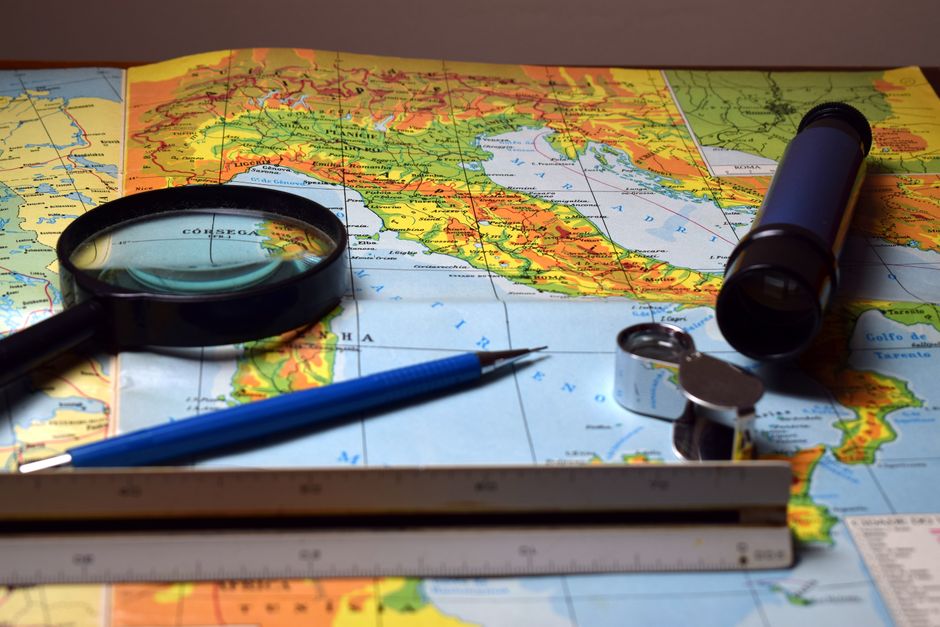
Familiarize yourself with local road conditions, water hazards, and vector-borne illnesses that could pose risks during your travels.
Many travelers report that understanding these destination-specific safety risks can prevent accidents and health issues.
Use repellents containing DEET or Picaridin to protect against insect bites, which can transmit diseases like malaria and dengue.
Researching natural disaster risks, such as earthquakes or floods, is also important. This preparation can make a significant difference in your travel experience.
Step 9: Pack Smarter with Travel-Sized Essentials

Utilize TSA-approved containers like Cadence capsules for your liquid toiletries and plan outfits that can be layered easily.
Many travelers find packing smarter can save time and hassle at the airport. Consider the climate of your destination when packing.
Use resources like Instagram and Pinterest for outfit inspiration based on your travel location, such as Budapest in winter or the Middle East.
Packing strategically not only helps with security checks but also ensures you have everything you need without overpacking.
A Final Safety Walkthrough Before You Head Out
Taking these steps ensures you can navigate foreign borders and unfamiliar streets with confidence, leaving the logistical stress behind you.
By securing essential documents, preparing your health needs, and staying aware of safety risks, you can focus on enjoying your international travels.
Remember, the key to a successful trip lies in your preparations, so check off this safety checklist before you head out.
Frequently Asked Questions
Is it safe to travel internationally, and where can I find safety info?
Yes, international travel is generally safe if you consult official sources like the U.S. State Department Travel Advisories and local emergency contacts before departing.
What are the absolute essential items for an international travel safety checklist?
You must have a physical passport with six months of validity, digital backups of your documents, international travel insurance, reliable communication access, and a basic medical kit.
How can I effectively secure my home before leaving for an international trip?
Request a mail hold with the US Postal Service, utilize smart lighting to make your home look occupied, and consider hiring a trusted house sitter.
Is travel insurance truly necessary for international trips, and what should it cover?
Yes, standard domestic health insurance rarely covers you abroad, so you need a policy covering emergency medical treatment and evacuation.
What are the best strategies for managing credit cards and local currency abroad?
Carry two low-fee credit cards, notify your bank of your travel dates, and withdraw small amounts of cash from local bank ATMs instead of using airport exchange booths.