
How to Exchange Money Like a Pro and Avoid Costly Hidden Fees While Traveling
Exchanging money abroad often feels like navigating a minefield of hidden markup rates and commissions that drain a travel budget. Understanding how exchange rates work can reduce unnecessary costs.
📋 Table of Contents
-
1
Tip 1: Learn the Difference Between the Real Exchange Rate and Provider Markups
-
2
Tip 2: Order Cash from Your Home Bank Before Your Trip
-
3
Tip 3: Ditch Airport Kiosks and Commercial Tourist Traps
-
4
Tip 4: Use Partner ATMs Abroad for On-Demand Cash Withdrawals
-
5
Tip 5: Always Decline Dynamic Currency Conversion and Pay in Local Currency
-
6
Tip 6: Utilize Dedicated Travel Cards and Low Fee Online Services
-
7
Tip 7: Secure Your Funds with Digital Wallets and Multiple Card Options
-
8
Tip 8: Plan Your Spending to Prevent Leftover Foreign Cash
-
9
Tip 9: Establish an Emergency Financial Contingency Plan
-
10
One Last Tip
-
11
Frequently Asked Questions
Tip 1: Learn the Difference Between the Real Exchange Rate and Provider Markups
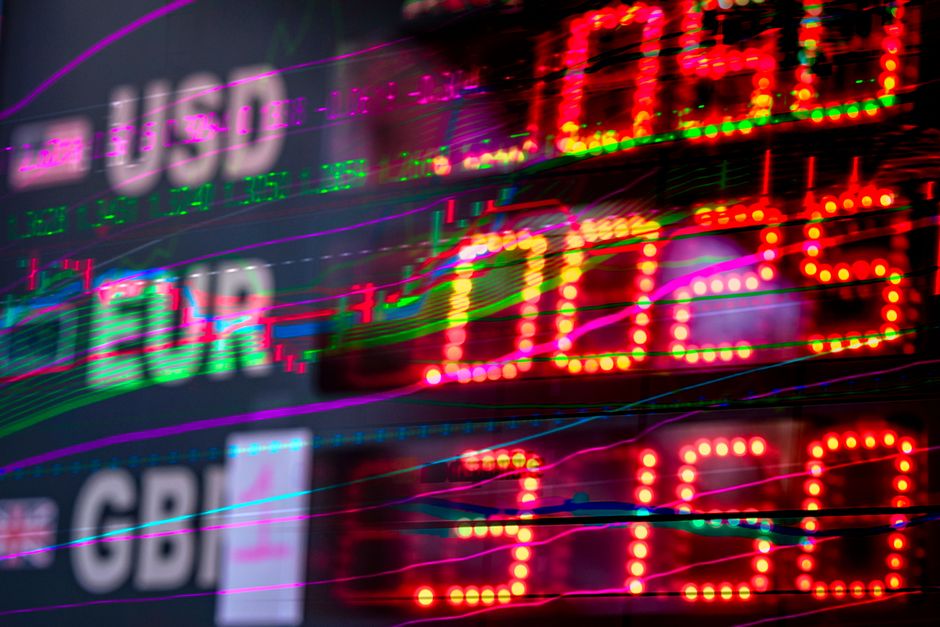
Understanding the mid-market exchange rate is the single most important rule of travel finance. Many travelers report confusion when providers charge hidden commission fees or markups.
The mid-market rate is the average rate between the buying and selling prices of a currency, which you can find on platforms like Google.
When you know this rate, you can spot when a provider is quietly pocketing a margin.
Always ask for the exchange rate before proceeding. If the rate you are offered is significantly worse than the mid-market rate, consider taking your business elsewhere.
A common issue is that travelers don’t realize they are losing money due to poor rates.
Tip 2: Order Cash from Your Home Bank Before Your Trip
Getting a baseline of physical foreign currency from your home bank or credit union can save you money.
Ordering cash in advance is significantly cheaper than waiting until you arrive at your destination. For example, Bank of America charges a $7.50 delivery fee for cash orders under $1,000.
Citibank charges a $5 service fee for cash orders under $1,000, plus up to $20 for home delivery.
US Bank charges a $10 fee for currency exchange transactions under $300. While these fees exist, they are often lower than those at airports or tourist areas.
Many travelers report that securing cash beforehand provides peace of mind and better rates.
Tip 3: Ditch Airport Kiosks and Commercial Tourist Traps

Airport exchange counters and independent tourist zone kiosks offer the worst rates available. These places often mask their high costs behind flashy zero percent commission banners.
Many travelers was feeling trapped into using these services without realizing they are losing money.
Currency Exchange International is known for high markup rates.
Avoid these traps by planning ahead. Instead, look for banks or ATMs that offer competitive rates outside the airport.
A common mistake is assuming all exchange services are equal; they are not.
Tip 4: Use Partner ATMs Abroad for On-Demand Cash Withdrawals
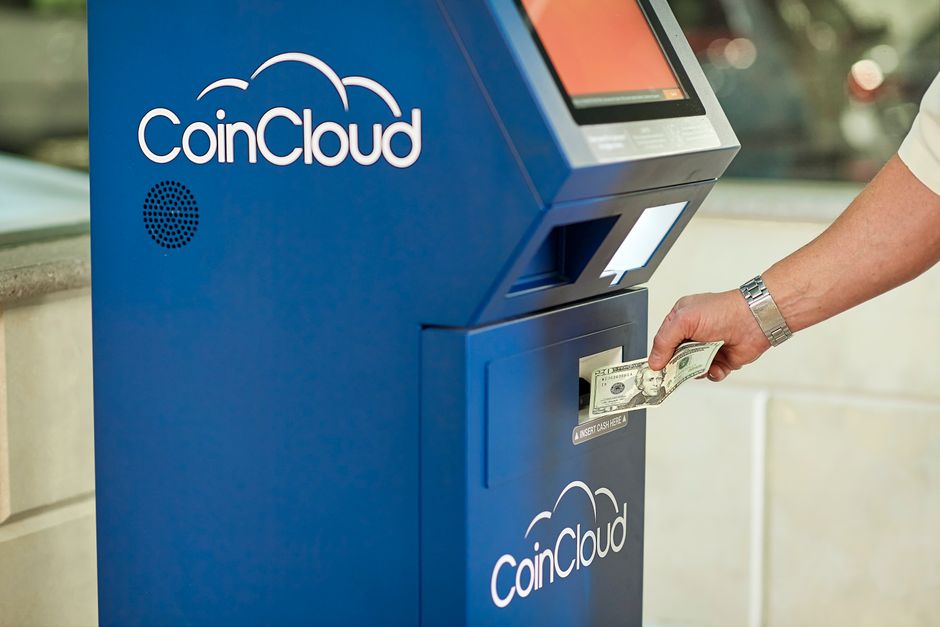
Accessing local cash through legitimate foreign bank ATMs connected to major global networks offers better rates than any manual teller exchange booth.
Many travelers report that ATMs from Visa or Mastercard networks usually charge lower fees.
However, some travelers might face foreign ATM fees, so it’s wise to check with your bank beforehand.
Many travelers also recommend withdrawing larger amounts to minimize transaction fees. Always opt for local currency when making a withdrawal to avoid additional costs.
Tip 5: Always Decline Dynamic Currency Conversion and Pay in Local Currency
When a card reader or foreign ATM offers to bill you in your home currency, refuse the conversion.
This dynamic currency conversion can lead to massive merchant transaction rates, costing you more than necessary. Many travelers report that paying in local currency saves them money.
Always choose to transact in the local currency, as it often leads to better exchange rates.
A common issue is that travelers don’t realize the extra fees they incur by accepting the home currency option.
Tip 6: Utilize Dedicated Travel Cards and Low Fee Online Services
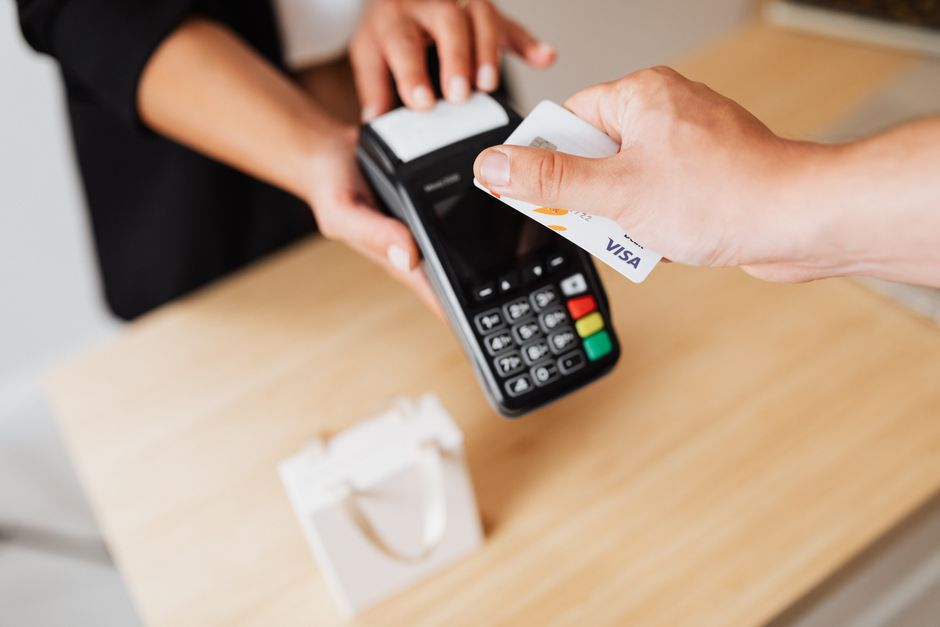
Utilizing specialized digital travel services like Wise or cards with no foreign transaction fees can keep your conversion costs to a transparent minimum.
Wise converts up to 40 currencies at the true mid-market rate, with fees starting from 0.41 percent.
Capital One and Chase also offer travel-friendly cards with no foreign transaction fees.
Many travelers find that using these services simplifies their financial management while abroad. Explore options that suit your travel habits to minimize costs.
Tip 7: Secure Your Funds with Digital Wallets and Multiple Card Options
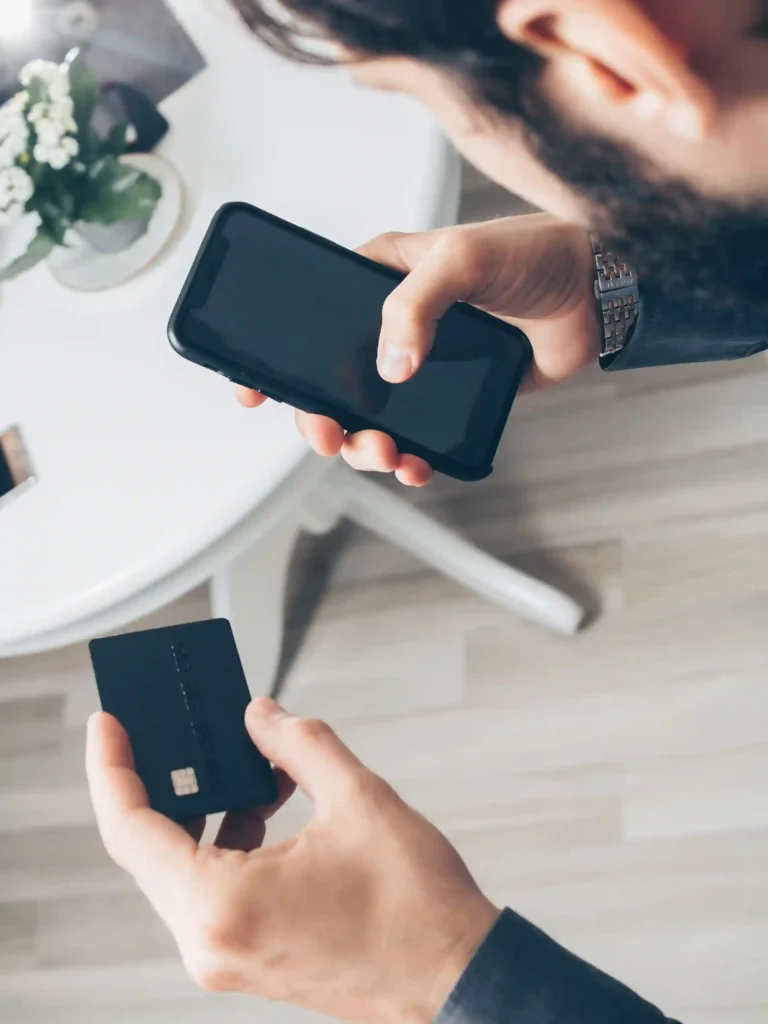
Minimizing financial risk requires keeping backup cards safely separated.
Use tokenized mobile wallets, like those linked to Visa or Mastercard, to complete point-of-sale purchases abroad.
Many travelers recommend keeping one card in a secure location and using another for daily transactions.
This strategy helps to safeguard against loss or theft. Additionally, many travelers note that having multiple payment options can ease stress when facing unexpected issues.
Tip 8: Plan Your Spending to Prevent Leftover Foreign Cash
Avoid losing valuable funds on double currency conversions by tracking your physical cash.
Keep an eye on your spending and try to use up your foreign currency before boarding your flight home.
A common mistake is to overlook leftover foreign cash, which can lead to unnecessary losses when converting back to USD.
Plan your spending to ensure you utilize as much of your cash as possible, avoiding costly conversions at the airport.
Tip 9: Establish an Emergency Financial Contingency Plan
Never rely on a single card or account while traveling. Prepare for blocked transactions by setting up travel alerts and holding a secure physical backup card.
Many travelers and i with my experience recommend services like Wise and Chase for their reliability.
Establishing an emergency financial contingency plan can save you from major headaches abroad.
Make sure to keep your main bank account secure and always have a backup payment option ready.
One Last Tip
Pre‑trip planning and a travel‑friendly debit card can help you bypass costly airport exchange counters. Applying the tips above can keep more of your money in your pocket instead of losing it to fees and bad exchange rates.
Frequently Asked Questions
What is the best way to exchange currency while traveling?
The best way is to use a travel credit card with no foreign transaction fees for major purchases and withdraw cash directly from trusted local bank ATMs using a low fee debit card.
How can I avoid or minimize currency exchange fees while traveling?
You can avoid high fees by declining dynamic currency conversion, steering clear of airport exchange kiosks, and ordering emergency cash from your home bank before your trip.
Is there a way to exchange currency without fees, or truly zero-fee options?
No truly free options exist; financial institutions advertising zero fees almost always build their profit margin into a bad exchange rate markup.
How can Wise help with international money exchange?
Wise allows you to convert and hold up to 40 currencies using the real mid-market exchange rate, avoiding hidden markups with transparent conversion fees starting at 0.41 percent.