

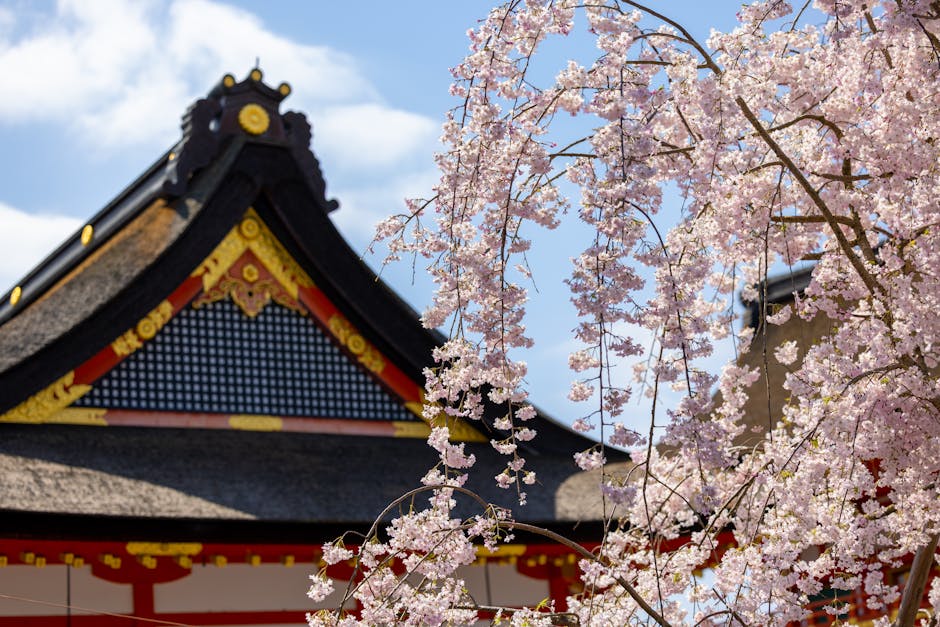
Your Ultimate Japan Travel Guide: Essential Tips for First-Time Visitors
Japan is a destination that seamlessly blends traditional and modern culture, from ancient temples to cutting-edge technology. With its unique blend of history, nature, and innovation, Japan deserves a spot on every traveler’s list. From bustling cities to serene landscapes, Japan has something for every kind of traveler.
Why Visit Japan?
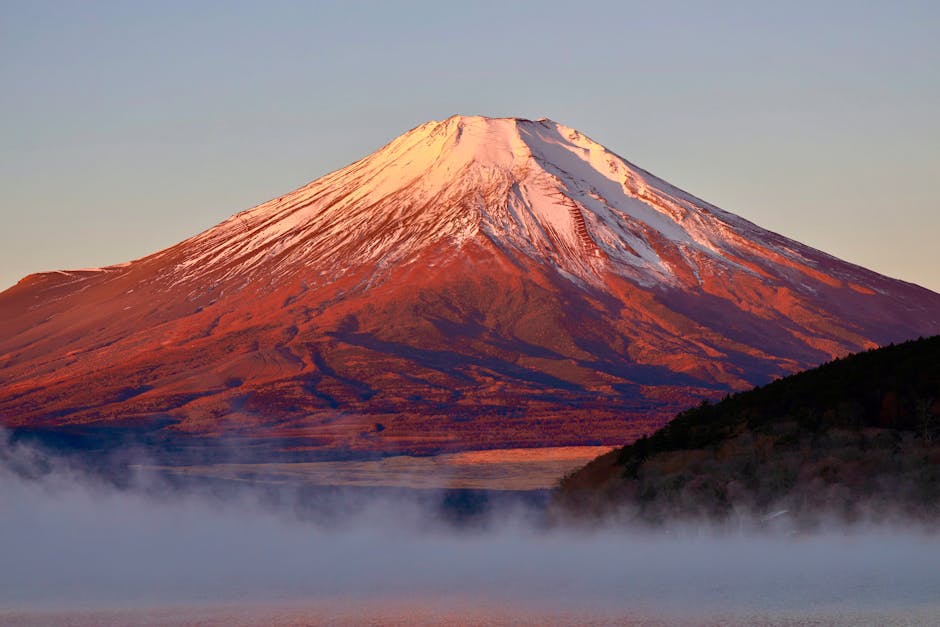
Japan is a country that seamlessly blends ancient traditions with futuristic innovations, creating a captivating destination for every traveler. From the majestic temples and shrines of Kyoto to the neon-lit streets of Tokyo, Japan’s unique cultural landscape is a treasure trove of experiences waiting to be discovered. Whether you’re fascinated by history, architecture, food, or technology, Japan has something to offer, making it an ideal destination for first-time visitors.
The country’s rich heritage is evident in its vibrant festivals, intricate tea ceremonies, and exquisite gardens, which showcase the Japanese attention to detail and love for nature. At the same time, Japan is also a hub for cutting-edge technology, innovative design, and world-class cuisine, making it an exciting destination for those interested in modern culture. With its safe and efficient public transportation system, Japan is also an easy country to navigate, even for those who don’t speak the language.
One of the most compelling reasons to visit Japan is its distinct seasons, each offering a unique perspective on the country’s beauty. Spring brings cherry blossoms, summer offers warm weather and outdoor festivals, autumn is marked by vibrant foliage, and winter provides a serene landscape of snow-covered landscapes. This ever-changing scenery, combined with Japan’s warm hospitality and unique customs, makes for an unforgettable travel experience. To make the most of your trip, consider visiting during the shoulder season, when popular destinations are less crowded and prices are more reasonable.
Top Must-Do Experiences for First-Timers
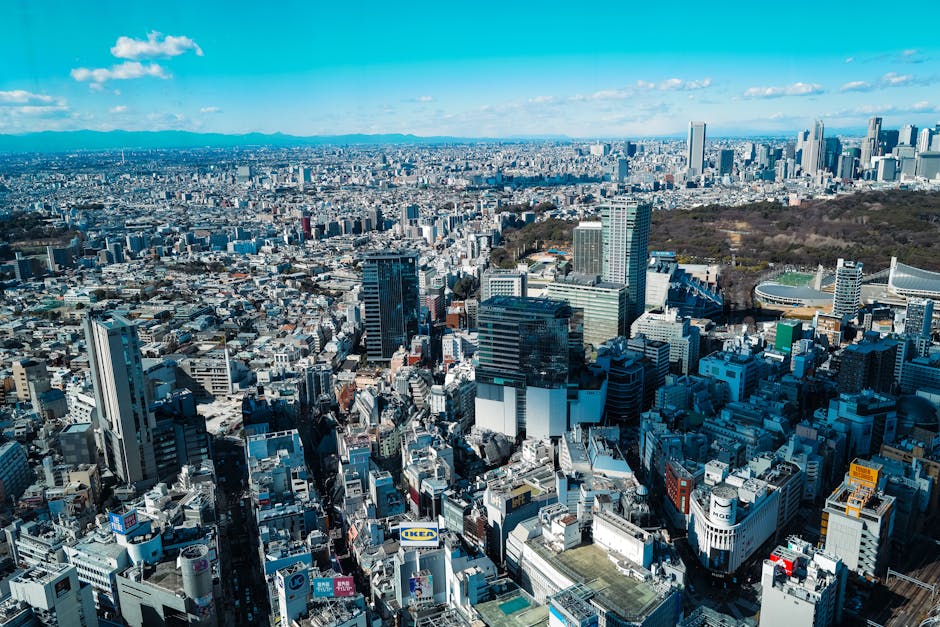
Japan offers a unique experience for first-time visitors. From the neon-lit streets of Tokyo to the serene gardens of Kyoto, there’s no shortage of exciting sights and activities to explore. For a truly immersive experience, visit the famous Tsukiji Outer Market in Tokyo, where you can sample the freshest sushi and seafood.
In Kyoto, the Fushimi Inari Shrine is a must-visit, with its thousands of vermillion torii gates forming a breathtaking tunnel up the mountain. A stroll through the beautiful Arashiyama Bamboo Grove is also a great way to experience Japan’s natural beauty. For a glimpse into Japan’s vibrant pop culture, visit the Ghibli Museum, dedicated to the works of Studio Ghibli and its founder Hayao Miyazaki.
Some other essential experiences for first-time visitors include attending a traditional tea ceremony, relaxing in a natural hot spring, and taking a ride on the famous bullet train. These experiences will give you a deeper understanding of Japan’s culture and way of life. To make the most of your trip, consider purchasing a Japan Rail Pass, which grants unlimited access to the country’s extensive rail network.
Whether you’re interested in history, food, nature, or entertainment, Japan has something to offer every kind of traveler. With its unique blend of traditional and modern culture, rich history, and breathtaking natural beauty, Japan is a destination that will leave you with unforgettable memories.
Best Time to Visit Japan
Japan is a year-round destination, but the best time to visit depends on your preferences and what you want to experience. If you’re looking for mild weather and the iconic cherry blossoms, spring (March to May) is the ideal season, with the blooming period usually peaking in late March to early April.
During this time, popular spots like Ueno Park in Tokyo and Maruyama Park in Kyoto are filled with vibrant pink blossoms, creating a breathtakingly beautiful landscape. For a more serene experience, consider visiting early in the morning or later in the evening when the crowds are smaller.
Autumn (September to November) is another great time to visit Japan, with the autumn foliage offering a kaleidoscope of colors, from golden yellows to deep reds. The comfortable temperatures make it perfect for exploring cities like Tokyo and Osaka, or hiking in the Japanese Alps.
Winter (December to February) brings a serene landscape, with snow-covered mountains and frozen lakes, making it perfect for winter sports enthusiasts. The New Year (Oshogatsu) is also a significant holiday in Japan, with many temples and shrines holding special events and festivals. Whether you prefer the tranquility of winter, the vibrancy of spring, or the coziness of autumn, Japan has something to offer every kind of traveler.
Where to Stay: Accommodation Guide

Japan offers a wide range of accommodation options to suit every budget and travel style, from traditional ryokans to modern hotels and budget-friendly guesthouses. For a truly immersive experience, consider staying in a ryokan, a traditional Japanese inn that typically features tatami-matted rooms and communal baths.
For mid-range options, Japan has a plethora of business hotels and smaller boutique hotels that offer comfortable stays at affordable prices. These hotels often provide convenient amenities such as free Wi-Fi, laundry facilities, and on-site restaurants. Some popular areas to stay in include Shinjuku in Tokyo, Shinsaibashi in Osaka, and Kawaramachi in Kyoto, which offer easy access to public transportation and local attractions.
Luxury seekers can indulge in Japan’s high-end hotels, many of which are located in prime locations and offer stunning views of the city. These hotels often feature upscale amenities such as fitness centers, spas, and fine dining restaurants. For budget-conscious travelers, guesthouses and hostels are a great option, with many offering dormitory rooms and shared facilities at affordable prices. When choosing your accommodation, be sure to research the location and amenities to ensure it meets your needs and budget.
Some popular accommodation options to consider include the Park Hyatt Tokyo for luxury, the Remm Akihabara Hotel for mid-range, and the Nui.Tokyo Central Hostel for budget-friendly stays. Regardless of your budget, Japan’s unique accommodation options are sure to enhance your travel experience and provide a memorable stay.
Getting Around Japan: Transportation Tips
Japan’s public transportation system is renowned for its efficiency and reliability, making it easy for first-time visitors to get around. The Shinkansen bullet train is a highlight, connecting major cities like Tokyo, Osaka, and Kyoto at speeds of up to 320 kilometers per hour. To navigate this complex network, consider purchasing a Japan Rail Pass, which grants unlimited access to JR trains, including the Shinkansen, for a set period of time.
For shorter journeys, Japan’s extensive network of buses and subways is a convenient option. In larger cities, prepaid IC cards like Suica or Pasmo can be used to ride public transportation, eliminating the need to buy tickets each time. These cards can be purchased at most train stations and can even be used at some vending machines and shops.
To plan your route, utilize online resources like Hyperdia or Google Maps, which provide accurate and up-to-date information on train schedules and routes. Additionally, many train stations have English signage and announcements, making it easier for foreign visitors to navigate. By understanding and utilizing Japan’s public transportation system, you can travel seamlessly between cities and make the most of your time in this incredible country. With some planning and preparation, you’ll be zipping across Japan like a pro, ready to take on all the adventures that await.
Essential Travel Tips for Your First Trip
As a first-time visitor to Japan, it’s essential to be aware of the local customs and practicalities to ensure a smooth and enjoyable trip. One of the most important things to consider is the currency, with the Japanese yen being the local currency. You can exchange your money at the airport or at a bank, but many places also accept credit and debit cards.
When it comes to etiquette, Japan is known for its polite and respectful culture. Bowing is a traditional greeting, and it’s customary to bow upon meeting someone or saying goodbye. Table manners are also important, with it being considered impolite to leave your chopsticks standing upright in your rice bowl. To stay connected, consider purchasing a prepaid SIM card or renting a portable Wi-Fi hotspot, as public Wi-Fi is not always readily available.
Some other essential tips to keep in mind include:
- Learning basic Japanese phrases, such as “konnichiwa” (hello) and “arigatou” (thank you)
- Carrying a small towel with you, as many public restrooms do not provide paper towels or hand dryers
- Being prepared for crowds and lines, especially during peak travel seasons
- Trying to avoid tipping, as it is not customary in Japan and can sometimes be considered impolite.
By being mindful of these tips and customs, you can have a more authentic and enjoyable experience in Japan, and make the most of your first visit to this unique and fascinating country.
Before You Go
The best time to visit Japan is in the spring, when cherry blossoms bloom, or in the autumn, when the leaves change colors. Before planning your trip, consider purchasing a Japan Rail Pass for easy travel between cities. Don’t forget to try local cuisine, such as sushi and ramen, and to respect Japanese customs, such as removing your shoes before entering temples or homes. With these tips, you’ll be well on your way to an unforgettable adventure in Japan.
Frequently Asked Questions
Is Japan expensive for tourists?
Japan can be perceived as expensive, but with careful planning, it’s possible to travel on various budgets. Accommodation and transportation can be significant costs, but food can be relatively affordable, especially at local eateries. Utilizing a Japan Rail Pass and booking accommodation in advance can help manage expenses.
What is the best way to get around Japan?
The most efficient way to travel between major cities in Japan is by its extensive railway system, particularly the Shinkansen (bullet train). For within cities, subway and local train networks are excellent. Consider a Japan Rail Pass if you plan extensive inter-city travel.
Do I need to speak Japanese to travel in Japan?
While it’s helpful to know basic Japanese phrases, it’s not strictly necessary. Major tourist areas, train stations, and popular attractions often have English signage and staff who can speak some English. Translation apps and pocket Wi-Fi can also greatly assist communication.
What are some cultural etiquette tips for Japan?
Key etiquette tips include bowing as a greeting, removing shoes before entering homes or certain establishments, not tipping, queueing patiently, and speaking quietly in public spaces. Understanding and respecting local customs will enhance your travel experience.
How much time is ideal for a first-time trip to Japan?
For a comprehensive first-time trip covering major highlights like Tokyo, Kyoto, and perhaps a day trip to another region, 10 to 14 days is generally recommended. This allows enough time to experience diverse aspects of Japanese culture without feeling rushed.