
Your Epic 2-Week Europe Itinerary: Highlights for First-Timers
Just think about exploring the vibrant cities and picturesque landscapes of Europe in just two weeks. This epic itinerary is designed for first-timers, covering the highlights of the continent. From the canals of Amsterdam to the ruins of Rome, get ready for the trip of a lifetime. Country: multiple European countries, Currency: Euro, Language: English and local languages, Best time to visit: summer and spring, Visa requirement: varies depending on nationality.
Day 1: Arrive in Paris, France
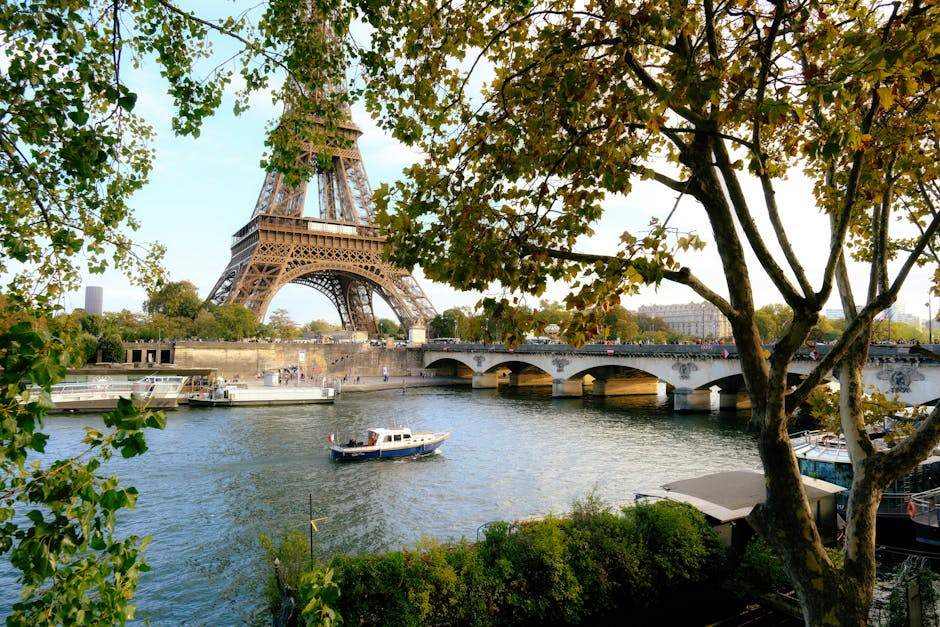
As you step off the plane in Paris, the City of Lights, you can’t help but feel a thrill of excitement for the adventure that lies ahead. Your first day in Europe is all about arrival and acclimation, so take your time getting to your accommodation and freshening up. Consider staying in the Latin Quarter, a historic and charming neighborhood that offers easy access to many of Paris’ iconic landmarks.
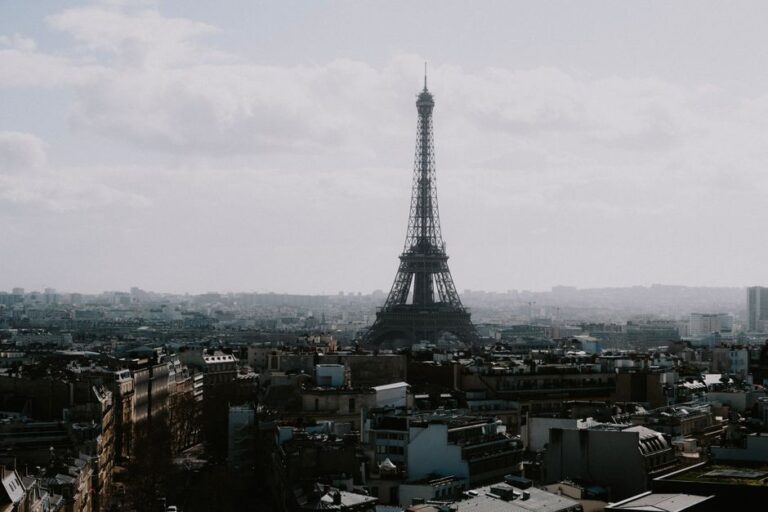
In the afternoon, take a leisurely stroll along the Seine River and get your bearings in the city. You might want to stop by a charming café for a coffee or snack, and simply soak up the atmosphere. As the day draws to a close, head to the Eiffel Tower to watch the sunset – it’s a truly unforgettable experience.
To make the most of your first day, consider purchasing a Paris Museum Pass, which grants you entry to many of the city’s top attractions and helps you skip the lines. With your pass in hand, you’ll be ready to dive into the city’s rich history and culture tomorrow. For now, simply enjoy the beauty and romance of Paris, and get a good night’s rest to prepare for the excitement that’s to come.
Day 2: Explore Parisian Wonders
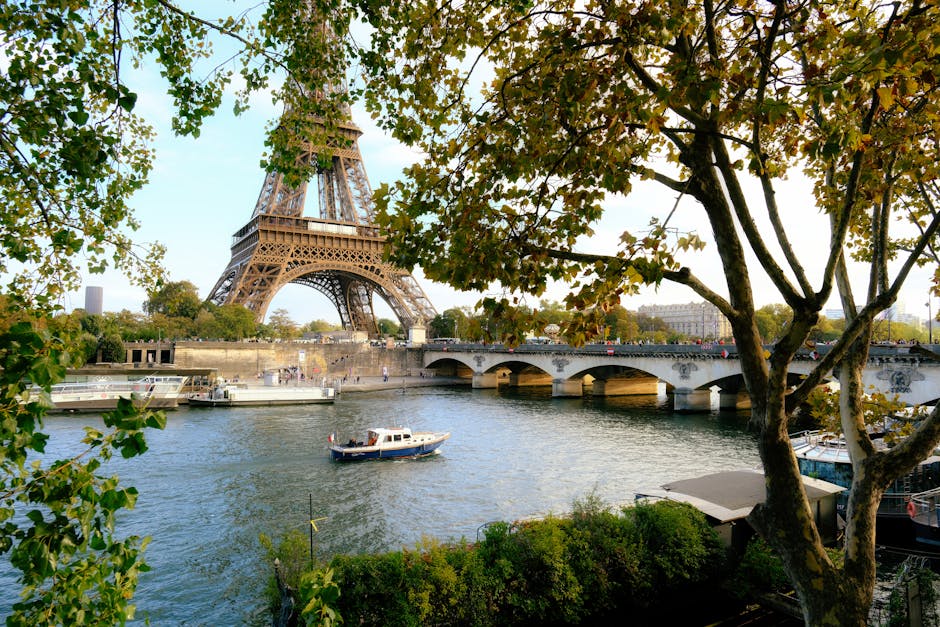
As you step out into the City of Light on your second day, the soft morning glow casts a magical spell over the streets of Paris. Begin your day with a visit to the iconic Eiffel Tower, where you can take the elevator to the top for breathtaking views of the city. Afterward, grab a croissant and coffee at a charming café nearby to fuel up for the day ahead.
In the afternoon, make your way to the world-renowned Louvre Museum, home to an impressive collection of art and artifacts, including the Mona Lisa. Be sure to book your tickets in advance to avoid the long lines. As you explore the museum’s vast galleries, take a moment to appreciate the stunning glass pyramid entrance, a masterpiece of modern architecture.
As the day winds down, head to the beautiful Notre Dame Cathedral, a historic gem that has stood the test of time. Take a stroll along the Seine River, which offers picturesque views of the city’s landmarks and bridges. For dinner, consider trying a traditional French bistro, where you can indulge in classic dishes like escargots, ratatouille, and crème brûlée. As the evening comes to a close, the city’s twinkling lights will leave you enchanted and eager for the next day’s adventures.
Day 3: Travel to Rome, Italy
As you leave the charming streets of Paris behind, an early morning flight or train whisks you away to Rome, the Eternal City, where ancient history awaits around every corner. The journey is relatively short, giving you plenty of time to explore Rome’s iconic landmarks. Upon arrival, check into your hotel and freshen up before diving into the city’s vibrant atmosphere.
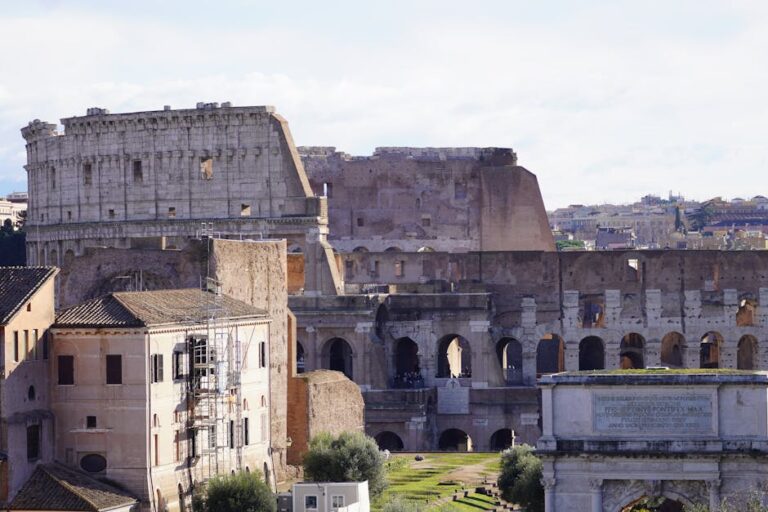
Start your day in Rome by visiting the Colosseum, one of the most recognizable symbols of the city, where you can almost hear the roar of the crowds that once filled the ancient amphitheater. Afterward, make your way to the nearby Roman Forum, a sprawling archaeological site filled with ruins that tell the story of Rome’s rich past.
In the afternoon, indulge in a delicious Italian lunch at a local trattoria, where you can savor classic dishes like pasta carbonara or pizza margherita. Be sure to leave room for gelato, as Rome is famous for its creamy, flavorful treats.
As the evening unfolds, take a leisurely stroll through the picturesque Piazza Navona, admiring the beautiful baroque architecture and lively street performers. With its rich history, delectable food, and warm atmosphere, Rome is sure to captivate your heart, setting the stage for an unforgettable European adventure.
Day 4: Ancient Rome and Vatican City
As you step into Rome on Day 4, the Eternal City’s ancient grandeur envelops you, drawing you into a world of timeless history and architectural marvels. Start your day early at the Colosseum, one of Rome’s most iconic landmarks, where the sheer scale and engineering prowess of the ancient Romans will leave you in awe.
In the afternoon, wander through the Roman Forum, a sprawling archaeological site filled with the remnants of ancient temples, basilicas, and markets, each ruin telling a story of Rome’s glorious past. Be sure to stop by the Pantheon, an impeccably preserved ancient temple with an impressive dome that has inspired architects for centuries.
To make the most of your visit to the Vatican, consider purchasing a guided tour that includes skip-the-line access to the Vatican Museums and St. Peter’s Basilica, allowing you to bypass the long queues and delve deeper into the Vatican’s treasures. As the day comes to a close, take a moment to appreciate the beauty of St. Peter’s Square, surrounded by the stunning architecture of Bernini and the vibrant energy of the Vatican.
As you explore Vatican City, remember to dress modestly, as the Vatican has a strict dress code for visitors, and consider bringing a water bottle to stay hydrated throughout the day. With its unique blend of ancient history, artistic masterpieces, and spiritual significance, Rome and Vatican City will undoubtedly leave an indelible mark on your European adventure.
Day 5: Rome to Florence
As you leave Rome behind, the high-speed train whisks you away to Florence, a city that embodies the essence of Tuscany and the Renaissance. The journey is a mere hour and a half, giving you ample time to gaze out the window at the rolling Italian countryside. Upon arrival, check into your hotel and freshen up before diving into the city’s treasures.
In the morning, start at the iconic Duomo, the terracotta-tiled cathedral complex that dominates Florence’s skyline. From there, wander to the nearby Uffizi Gallery, where Botticelli’s “The Birth of Venus” and other masterpieces await. Be sure to book your tickets in advance to avoid the lengthy queues.
In the afternoon, cross the Arno River via the Ponte Vecchio, lined with goldsmiths and boutiques, and explore the charming Oltrarno neighborhood. For dinner, head to a local trattoria, such as Trattoria Sostanza, to indulge in classic Tuscan cuisine like ribollita and bistecca alla fiorentina. As the evening unfolds, take a stroll along the riverbank, soaking up the city’s romantic atmosphere.
Day 6: Renaissance Florence and Tuscan Charm
As you step into Florence, the cradle of the Renaissance, you’re immediately enveloped in a world of breathtaking beauty. Start your day at the iconic Duomo, where the terracotta-tiled dome designed by Brunelleschi seems to touch the sky. From there, make your way to the Uffizi Gallery, home to an astonishing collection of Renaissance art, including Botticelli’s “The Birth of Venus” and Leonardo da Vinci’s “Annunciation”.
In the afternoon, wander along the Arno River and cross the Ponte Vecchio, lined with goldsmiths and boutiques, offering a glimpse into Florence’s rich history. Be sure to visit the Accademia Gallery to see Michelangelo’s majestic “David”, a masterpiece of Renaissance sculpture.
As the sun begins to set, consider a stroll through the charming Oltrarno neighborhood, known for its local artisans, quaint shops, and authentic trattorias. For a taste of Tuscan cuisine, head to a local eatery and indulge in ribollita, a hearty soup made with vegetables and bread, or try some of the region’s renowned wines.
As night falls, Florence transforms into a romantic haven, with its historic buildings and piazzas bathed in a warm, golden light, making it the perfect setting to relax and soak up the city’s enchanting atmosphere, perhaps over a traditional Italian dinner or a gelato in the Piazza della Signoria.
Day 7: Travel to Venice
As you bid farewell to Florence, a breathtaking train ride awaits, carrying you through the rolling Tuscan countryside and into the heart of Venice. The journey is approximately two hours, giving you ample time to gaze out the window at the passing landscapes. Upon arrival, the grandeur of Venice unfolds before your eyes, with its majestic canals and historic architecture.
Your first priority in Venice should be settling into your accommodation, ideally situated near the waterways to fully immerse yourself in the city’s unique atmosphere. Look for a place in the San Polo or Santa Croce districts for easy access to the main attractions. After checking in, take a moment to freshen up and prepare for an evening of exploration.
The best way to experience Venice is on foot, allowing you to wander through the narrow streets and discover hidden gems. Start your evening stroll at the Rialto Bridge, where you can take in the stunning views of the Grand Canal. Be sure to get lost in the city’s winding alleys, as this is where you’ll find the true essence of Venice. For dinner, head to a local trattoria, where you can indulge in fresh seafood and traditional Venetian cuisine.
As the sun sets over Venice, the city transforms into a serene and enchanting place, with softly lit canals and historic buildings. Take a romantic gondola ride or simply sit by the water’s edge, soaking up the atmosphere and preparing for the adventures that tomorrow will bring in this captivating city.
Day 8: Venetian Exploration
As you wake up in Venice, the sound of gentle lapping of water against the foundations of this floating city will greet you, setting the tone for a day of enchanting exploration. Start your morning by getting lost in the narrow, winding alleys that crisscross this unique city, discovering hidden gems like quaint piazzas and historic bridges.
In the afternoon, take a romantic gondola ride through the canals, admiring the stunning architecture and learning about the history of the city from your knowledgeable gondolier. This is a quintessential Venetian experience that will leave you with unforgettable memories.
As the day progresses, make your way to St. Mark’s Square, the heart of Venice, where you can marvel at the breathtaking Byzantine mosaics that adorn the exterior of St. Mark’s Basilica. Adjacent to the basilica stands the imposing Doge’s Palace, a masterpiece of Gothic architecture that once served as the residence of the Doge of Venice. Take a moment to appreciate the intricate stone carvings and ornate details that adorn the palace’s facade.
As the sun begins to set, find a spot in the square to soak in the vibrant atmosphere, watching as locals and tourists alike mingle and enjoy the street performers and live music, a perfect ending to your day in this captivating city.
Day 9: Travel to Amsterdam, Netherlands
As you leave the romantic city of Venice behind, get ready to immerse yourself in the charming and vibrant atmosphere of Amsterdam. Start your day by flying from Venice Marco Polo Airport to Amsterdam Schiphol Airport, a journey that should take around 1.5 hours. Once you arrive, take a train or bus from the airport to your accommodation, taking in the picturesque Dutch landscapes along the way.
In the afternoon, check-in to your hotel and freshen up before exploring the city’s iconic canals. Amsterdam is famous for its elaborate canal houses, many of which date back to the 17th century. Take a stroll along the canals, admiring the beautiful architecture and historic bridges. Be sure to visit the famous Jordaan neighborhood, known for its narrow streets, boutique shops, and quaint cafes.
To make the most of your time in Amsterdam, consider purchasing an I Amsterdam City Card, which grants you access to many of the city’s top attractions, including the Rijksmuseum and the Van Gogh Museum. For dinner, head to the De Pijp neighborhood, where you can find a wide range of restaurants serving everything from traditional Dutch cuisine to international flavors.
As the evening unfolds, take a canal boat tour to see the city’s landmarks illuminated, a truly magical experience that will leave you enchanted by Amsterdam’s beauty. With its rich history, vibrant culture, and stunning architecture, Amsterdam is sure to captivate your heart, and this is just the beginning of your adventure in this incredible city.
Day 10: Amsterdam’s Cultural Highlights
As you step into Amsterdam on Day 10 of your Europe travel itinerary, get ready to immerse yourself in the city’s rich cultural scene. Start your morning at the Rijksmuseum, where you can marvel at an extensive collection of Dutch art and history, including works by Rembrandt and Vermeer. Be sure to arrive early to beat the crowds and make the most of your visit.
In the afternoon, head to the Van Gogh Museum, dedicated to the life and works of the famous post-impressionist artist. With the largest collection of Van Gogh’s paintings and letters, you’ll gain a deeper understanding of his artistic journey and struggles. After exploring the museum, take a stroll through the charming Jordaan district, known for its narrow streets, quaint shops, and picturesque canals.
As you wander through Jordaan, keep an eye out for the district’s unique character, from its historic architecture to its lively atmosphere. Consider stopping by a local café to sample some of Amsterdam’s famous coffee culture, or browse the area’s eclectic shops and boutiques. To make the most of your time, consider purchasing a Museumkaart, which grants you access to many of Amsterdam’s top museums, including the Rijksmuseum and Van Gogh Museum, and allows you to skip the lines.
Day 11: Dutch Countryside Day Trip
As you leave Amsterdam behind, the Dutch countryside unfolds like a canvas of green pastures, wooden windmills, and quaint villages. Your half-day trip begins in the morning, with a visit to the Zaanse Schans, a charming windmill village that showcases the Netherlands’ rich industrial heritage. Take a stroll along the river, admire the historic windmills, and learn about the country’s famous cheese-making traditions.
In the afternoon, head to the picturesque town of Edam, famous for its cheese market and traditional fishing harbor. Wander through the cobblestone streets, visit the Edam Museum to learn about the town’s history, and sample some of the local delicacies, such as smoked cheese and fresh fish. For a truly immersive experience, consider taking a guided boat tour of the town’s canals and harbors.
To make the most of your day trip, consider packing a picnic lunch with some of the local specialties, such as cheese, bread, and stroopwafels. Alternatively, stop at a traditional Dutch cafe for a hearty lunch of stamppot and herring. As you return to Amsterdam in the evening, reflect on the charming landscapes and rich cultural heritage of the Dutch countryside, and plan your next adventure in this beautiful region.
As the sun sets over the Netherlands, you’ll have experienced a unique and unforgettable side of Europe, one that combines natural beauty, rich history, and warm hospitality. With memories of windmills, cheese farms, and traditional villages, you’ll be ready to continue your epic 2-week Europe itinerary, exploring the many wonders that this incredible continent has to offer.
Day 12: Travel to Barcelona, Spain
As you leave Amsterdam behind, take a morning flight to Barcelona, the capital of Catalonia, a region in northeastern Spain. The flight is relatively short, giving you plenty of time to explore this vibrant city. Upon arrival, check into your hotel and freshen up before diving into the city’s unique architecture, lively atmosphere, and Mediterranean flair.
In the afternoon, head to La Rambla, a famous pedestrian street filled with street performers, cafes, and shops. Take a stroll along the beach, visit the iconic Park Güell, or explore the works of Antoni Gaudí, a renowned Catalan architect. For dinner, consider trying some traditional Catalan cuisine, such as pa amb tomàquet or escalivada, at a local restaurant like Can Culleretes or El Quim de la Boqueria.
In the evening, take a walk along La Barceloneta, the city’s beachside promenade, and enjoy the sunset over the Mediterranean Sea. For a truly immersive experience, consider attending a flamenco show at a tablao like Los Tarantos or El Tablao de Carmen. As the night comes to a close, reflect on the incredible sights and experiences you’ve had so far on your Europe itinerary, and get ready for the final days of your adventure. With its rich culture, stunning architecture, and warm hospitality, Barcelona is the perfect destination to wrap up your epic 2-week journey.
Day 13: Gaudi’s Barcelona
Morning in Barcelona begins with a visit to the iconic Sagrada Familia, Antoni Gaudi’s most famous masterpiece. As you step inside, the intricate details and stunning stained-glass windows will leave you in awe. Be sure to book your tickets in advance to avoid long wait times.
In the afternoon, head to Park Guell, another iconic Gaudi landmark, where you can stroll through the beautifully landscaped gardens and take in the stunning views of the city. Don’t miss the famous mosaic benches and the twisting stone columns.
As the evening falls, make your way to Casa Batllo, a house that Gaudi redesigned in his unique style, featuring colorful tile work and irregular shapes. Take a guided tour to learn more about the history and significance of this architectural gem. Consider purchasing a Barcelona Hop-on Hop-off bus ticket to easily travel between these destinations.
As the night comes to a close, take a moment to reflect on the incredible works of Gaudi that you’ve seen today, and how they’ve added to the rich cultural heritage of this vibrant city, leaving you with unforgettable memories of your European adventure.
Day 14: Departure from Barcelona
As your two-week European adventure comes to a close, spend your final morning in Barcelona soaking up the vibrant atmosphere. Treat yourself to a delicious Spanish breakfast at a local café, indulging in churros con chocolate or tortilla española. If you have time, squeeze in some last-minute souvenir shopping along La Rambla or in the Gothic Quarter, picking up a few final mementos to remember your journey by.
For your departure, head to Barcelona-El Prat Airport, which is conveniently connected to the city center by metro or taxi. Make sure to check the departure time of your flight and plan your journey to the airport accordingly, allowing plenty of time for security checks and boarding.
Your European journey may be ending, but the memories and experiences you’ve accumulated over the past two weeks will stay with you forever. Take a moment to reflect on the incredible sights, sounds, and flavors you’ve encountered, from the Eiffel Tower to the canals of Venice, and know that you’ll always treasure this epic adventure. With a heart full of unforgettable moments, board your flight and head home, already dreaming of your next European escapade.
Practical Travel Information
To make the most of your two-week Europe itinerary, consider budgeting at least 100 euros per day for accommodation, food, and activities. Book your flights and trains in advance to save money. Don’t forget to try local cuisine, explore hidden gems, and mingle with fellow travelers. With this guide, you’re ready to embark on an unforgettable adventure. Remember to stay flexible, be open-minded, and soak up every moment of your European escapade.
Frequently Asked Questions
How much does a 2-week Europe trip typically cost?
The cost for a 2-week Europe trip can vary greatly depending on your travel style, chosen destinations, accommodation, and activities. A mid-range budget might be around 2,000 to 4,000 Euros per person, excluding flights to and from Europe.
What is the best way to travel between cities in Europe?
High-speed trains are generally the most efficient and scenic way to travel between major European cities, especially within countries or neighboring regions. For longer distances, budget airlines often offer competitive fares, though factor in airport travel time and costs.
When is the best time to visit Europe for a 2-week trip?
The shoulder seasons (April-May and September-October) are often considered the best times to visit Europe. The weather is pleasant, crowds are thinner than in peak summer, and prices for accommodation and flights can be more favorable.
What essential documents do I need for a European trip?
You will need a valid passport, and depending on your nationality, you might require a Schengen visa. It is also wise to carry travel insurance, a copy of your flight and accommodation bookings, and a valid driver’s license if you plan to rent a car.
Is it safe to travel alone in Europe?
Europe is generally very safe for solo travelers, including women. Major cities have good public transport, and crime rates are relatively low. Always exercise common sense, be aware of your surroundings, and secure your belongings.