
Amsterdam Travel Guide: Essential Sights, Food, and Practical Tips
Planning a trip to Amsterdam requires cutting through endless choices to focus on what is genuinely worth your time and money. This travel guide simplifies the planning process by highlighting essential activities and sights tailored to your interests. From iconic museums to local food experiences, you can discover what makes the Dutch capital unique while avoiding typical tourist traps.
📋 Table of Contents
- 1 Why Visit Amsterdam and How to Plan Your Time
- 2 How to Get Around Amsterdam: Trams, Trains, and Bikes
- 3 Where to Stay: Best Neighborhoods and Hotels
- 4 Is the I Amsterdam City Pass Worth Buying?
- 5 Top Cultural Museums: Rijksmuseum, Van Gogh, and Anne Frank House
- 6 Alternative and Modern Art Sights: Moco Museum and STRAAT
- 7 Quirky Museums Worth a Detour
- 8 Cruising the Canals: Daytime vs Evening Tours
- 9 Exploring Neighborhoods: De 9 Straatjes and Local Markets
- 10 What to Know Before Visiting the Red Light District
- 11 Must-Try Dutch Snacks: From Stroopwafels to FEBO Fried Bites
- 12 Indonesian-Dutch Cuisine: Trying a Traditional Rijsttafel
- 13 Easy Day Trips Beyond Amsterdam: Haarlem, Utrecht, and Delft
- 14 Before You Go
- 15 Frequently Asked Questions
Why Visit Amsterdam and How to Plan Your Time

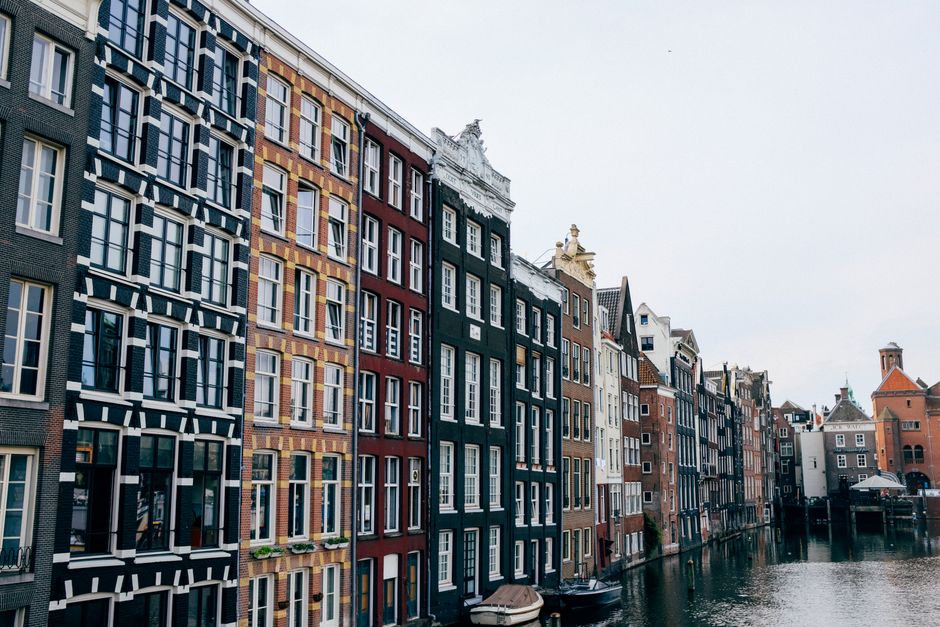
Amsterdam stands out for its historic 17th-century canal rings, vibrant neighborhoods, and world-class art museums. The city’s unique charm lies in its ability to blend rich history with modern culture. Many travelers report that exploring the picturesque canals on foot or by bike provides a true sense of the city’s character.
The local atmosphere, especially in areas like Jordaan and De Pijp, offers an authentic experience beyond the usual tourist hotspots.
To make the most of your visit, plan your time wisely. Allocate at least three days to see major attractions, while leaving room for spontaneous adventures. Consider peak seasons like spring and summer for warmer weather, but be prepared for larger crowds.
Off-peak times, such as late fall or winter, may offer a quieter experience, but you might miss out on some outdoor activities.
How to Get Around Amsterdam: Trams, Trains, and Bikes

Getting around Amsterdam is straightforward, thanks to an extensive public transport network that includes trams, trains, and buses. A train from Amsterdam Schiphol Airport to Amsterdam Centraal takes just 20 minutes and costs from €5.20. For daily travel, many visitors opt for an OVpay card, which allows seamless payments on public transport.
Bike rentals are also popular, with companies like Macbike and Yellow Bike offering options starting around €10 per day. However, navigating the chaotic bike lanes can be challenging for beginners, and accidents are not uncommon. If you’re unsure about biking, stick to trams and walking.
Both options allow you to explore the city at a more leisurely pace.
Where to Stay: Best Neighborhoods and Hotels
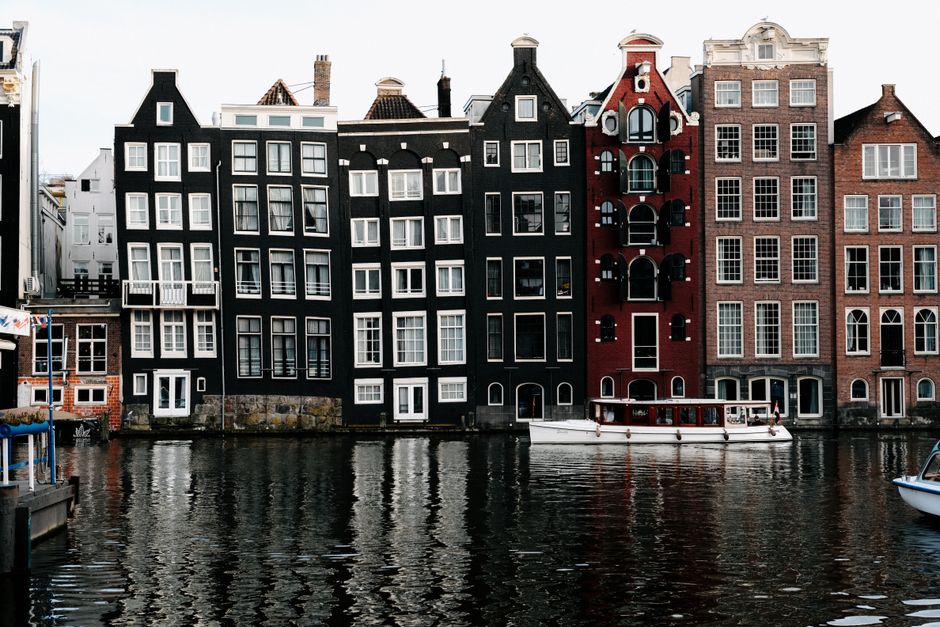
Choosing the right neighborhood can significantly enhance your stay in Amsterdam. The Jordaan is known for its charming canals and boutique shops, while De Pijp offers a multicultural vibe with diverse eateries. The Museum District is ideal for art lovers, housing the Rijksmuseum and Van Gogh Museum.
Accommodation varies widely, with hotels like Pulitzer and The Hoxton delivering luxury experiences, while places like Adam Suites and The Hendrick’s Hotel are more budget-friendly. Prices for hotels can range from €100 to over €300 per night, depending on the season and location. Many travelers suggest booking well in advance to secure the best deals, especially in peak tourist seasons.
Is the I Amsterdam City Pass Worth Buying?
The I Amsterdam City Card can be a cost-effective option for those planning to visit multiple attractions. It covers public transport and includes admission to many museums. However, some visitors find that booking individual tickets in advance may be a better choice, especially for popular sites like the Rijksmuseum.
The card costs around €65 for a 24-hour period. If your itinerary includes visiting major attractions, it may save time and money. That said, many travelers report that it can be less advantageous if your visit is more spontaneous or limited to just a few locations.
Top Cultural Museums: Rijksmuseum, Van Gogh, and Anne Frank House

Amsterdam is home to several cultural gems, including the Rijksmuseum, Van Gogh Museum, and Anne Frank House. The Rijksmuseum features masterpieces like Rembrandt’s “The Night Watch,” and the Van Gogh Museum showcases a vast collection of the artist’s work.
Visiting the Anne Frank House requires advance booking, as tickets often sell out weeks ahead. Admission prices are €12 for the Anne Frank House and around €20 for the other museums. Many travelers recommend buying tickets online to secure your entry time and avoid long lines.
The unique insights into Dutch art and history make these museums well worth the visit.
Alternative and Modern Art Sights: Moco Museum and STRAAT

For those interested in modern art, the Moco Museum and STRAAT offer unique experiences. The Moco Museum features contemporary pieces from artists like Banksy and Yayoi Kusama. STRAAT, located in the NDSM-Werf neighborhood, is dedicated to street art and graffiti.
Admission prices for both venues are around €12-€15. Visitors often enjoy the free ferry ride to NDSM-Werf, which adds an element of adventure to the trip. These alternative art spots provide a refreshing contrast to Amsterdam’s classic museums.
Quirky Museums Worth a Detour

Amsterdam also has quirky museums that can be fun detours. The Kattenkabinet Cat Museum showcases cat-themed art, while The Pipe Museum offers insights into tobacco culture. The Upside Down Museum features interactive exhibits that are popular with families.
Ticket prices for these unique attractions typically range from €10 to €15. Many travelers report that these offbeat museums provide a light-hearted alternative to more traditional experiences, making them worthwhile stops during your exploration of the city.
Cruising the Canals: Daytime vs Evening Tours

Canal cruises are a staple of any Amsterdam visit, offering a different perspective of the city. Daytime cruises allow you to see the sights at a relaxed pace, while evening tours can provide a magical ambiance with the city lights.
Prices for canal cruises range from €15 to €30, depending on the duration and time of day. Many travelers find that sunset cruises offer a particularly enjoyable experience, though they can be more crowded. It’s advisable to book in advance, especially during peak seasons, to secure your spot.
Exploring Neighborhoods: De 9 Straatjes and Local Markets
Exploring neighborhoods like De 9 Straatjes is a treat for shoppers and foodies alike. This area is filled with boutiques, cafes, and unique shops. Meanwhile, Albert Cuyp Markt, one of the largest outdoor markets, offers everything from fresh produce to traditional Dutch snacks.
While walking through these areas, be aware that they can get crowded, especially on weekends. Many visitors recommend visiting during weekdays to avoid the hustle and bustle, allowing for a more leisurely experience as you browse and sample local goods.
What to Know Before Visiting the Red Light District
Visiting the Red Light District, known as De Wallen, requires a respectful understanding of its unique culture. This area is famous for its sex work and coffee shops, drawing tourists and locals alike.
It’s important to maintain decorum and be mindful of local regulations. Many travelers suggest visiting during the day for a less intense experience, as evenings can become crowded and overwhelming. Understanding the local context and treating it with respect can enhance your visit.
Must-Try Dutch Snacks: From Stroopwafels to FEBO Fried Bites
Dutch snacks are a highlight of any culinary journey in Amsterdam. Try traditional treats like stroopwafels, bitterballen, and kroketten at local bakeries and snack bars. Don’t miss the chance to sample patat oorlog, a unique fries dish topped with peanut sauce and onions.
Prices for these snacks vary widely, typically ranging from €2 to €5. Many travelers enjoy trying these street foods as they explore, making for a fun and delicious way to experience local culture.
Indonesian-Dutch Cuisine: Trying a Traditional Rijsttafel
Indonesian-Dutch cuisine, particularly the rijsttafel, offers a unique dining experience. This elaborate meal features various small dishes served with rice, reflecting the historical ties between the Netherlands and Indonesia.
Dining at places like De Lachende Javaan allows you to enjoy this culinary tradition. Reservations are recommended, especially on weekends. Prices for a rijsttafel can range from €25 to €50 per person, depending on the number of dishes.
Many visitors find that this cultural experience adds depth to their understanding of Amsterdam’s diverse food scene.
Easy Day Trips Beyond Amsterdam: Haarlem, Utrecht, and Delft
For those looking to escape the city, day trips to nearby towns like Haarlem, Utrecht, and Delft are easily accessible by train, typically taking around 30 minutes. Haarlem is known for its historic architecture, while Utrecht boasts beautiful canals and vibrant culture. Delft is famous for its blue pottery and picturesque streets.
Train fares are generally reasonable, with tickets costing around €10 each way. Many travelers recommend these trips as a refreshing break from the city, offering a chance to explore more of the Netherlands’ charm and history.
Before You Go
Before traveling to Amsterdam, finalize your advance bookings for top museums to secure entry times and avoid disappointment. Whether you’re sampling Dutch snacks or exploring unique neighborhoods, planning ahead ensures you make the most of your time in the city. With this guide, navigating Amsterdam’s attractions and experiences becomes a straightforward journey.
Frequently Asked Questions
What should you not miss in Amsterdam?
Do not miss a canal boat cruise, visiting the Van Gogh Museum or Rijksmuseum, trying fresh warm stroopwafels at Albert Cuyp Markt, and exploring the Jordaan neighborhood on foot.
How many days in Amsterdam are enough?
Three to four days provide sufficient time to visit major museums, take a canal tour, explore primary neighborhoods, and sample traditional street food without rushing.
How can I save money on attractions in Amsterdam?
Purchase an I Amsterdam City Card if visiting multiple museums daily, as it includes free public transport and entry fees, or book individual tickets online weeks in advance to avoid peak pricing.
Do I need cash in Amsterdam or are cards accepted everywhere?
Amsterdam is almost entirely cashless, with public transit, museums, cafes, and street markets preferring tap-to-pay credit cards or debit cards via OVpay.