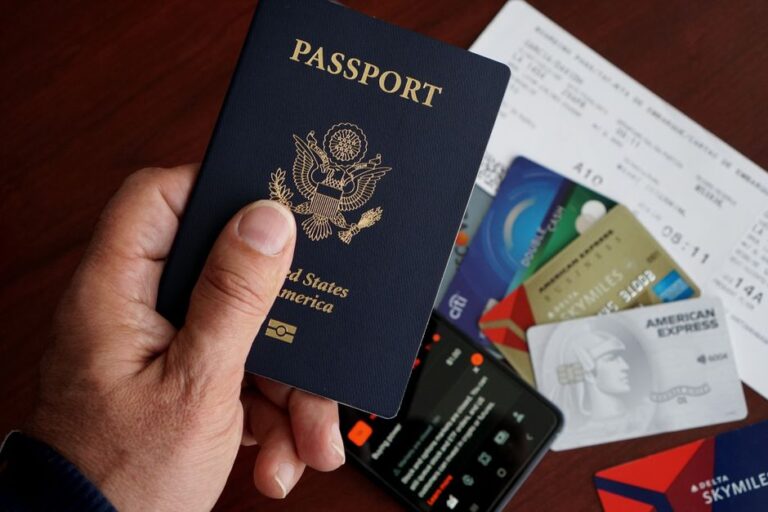


How Much to Save for a Trip: A Realistic Budget Blueprint
Debunking the myth that travel is too expensive or complicated, this practical blueprint shows how to calculate, save for, and execute your next trip without carrying a mountain of high-interest debt home.
Many budget-conscious travelers can plan trips without financial strain by following a structured approach to budgeting. With careful planning and realistic expectations, it is possible to explore the world without breaking the bank.
Understanding your travel style, calculating true expenses, and setting a dedicated savings strategy are essential steps to make travel accessible.
📋 Table of Contents
-
1
Step 1: Define Your Travel Style and Goal Duration
-
2
Step 2: Calculate Your Real Baseline Expenses
-
3
Step 3: Establish a Dedicated Saving Strategy
-
4
Step 4: Trim Transportation Costs Before You Book
-
5
Step 5: Navigate Accommodation Platforms Strategically
-
6
Step 6: Avoid the Vacation Debt and Overspending Traps
-
7
Before You Pack Your Bags
-
8
Frequently Asked Questions
Step 1: Define Your Travel Style and Goal Duration

Defining your travel style and goal duration is crucial. Whether you’re planning a quick vacation or a multi-month trip will dictate your budget.
Many travelers find that knowing their priorities affects spending decisions.
For example, a luxury traveler may choose upscale accommodations in Spain, while a budget traveler might opt for hostels in Portugal.
This choice also influences the timeline of the trip. A common complaint is that some travelers feel pressured to conform to popular travel trends, which can lead to overspending.
Understanding your purpose will help you stay within your comfort zone and allocate funds effectively.
Travelers report that mapping out their responsibilities, such as family commitments or work obligations, influences their travel goals significantly.
Step 2: Calculate Your Real Baseline Expenses

Calculating your real baseline expenses is essential for building a realistic budget. Average daily travel expenses hover around $284 per person, covering lodging, meals, and local transit.
For instance, a domestic round-trip flight in the United States can cost around $300, while international flights to Europe may average higher.
Analyzing costs for food and activities is also vital. Many travelers overlook daily expenses, leading to budget shortfalls.
Using resources like Budget Your Trip can help gather accurate cost averages for your intended destination.
It is beneficial to remember that the more you plan these details, the less likely you are to face unexpected financial strain.
Step 3: Establish a Dedicated Saving Strategy
Establishing a dedicated saving strategy is key to achieving your travel goals.
Allocating your monthly net income through a structured framework can help. Many financial experts recommend the 50-30-20 budget rule.
Set aside 50% for essential expenses, 30% for discretionary spending, and 20% for savings.
Placing these funds into a separate savings account can prevent everyday spending temptations. Automatic transfers to this account can also streamline the process.
Some travelers find success with short-term savings certificates that accrue higher interest. Many people report that having a visual representation of their savings progress boosts motivation.
Step 4: Trim Transportation Costs Before You Book

Trimming transportation costs before you book is essential for staying within budget.
Many travelers find that utilizing regional hubs can result in significant savings. Choosing mid-week departures often leads to lower airfare prices.
It is not unusual for airlines to offer discounts during major retail clearance sales, like Black Friday or Boxing Day. Purchasing transit passes for trains, like Eurail, can also save money in Europe.
A common complaint is that travelers often overlook the flexibility in their travel dates, which can lead to overspending.
Planning to travel during shoulder seasons can also yield better prices and less crowded experiences.
Step 5: Navigate Accommodation Platforms Strategically

Navigating accommodation platforms strategically can save considerable money. Comparing standard hotel listings with alternative local rentals is wise.
Many people are surprised to find booking sites like Airbnb or VRBO offer budget-friendly options away from tourist-heavy areas.
For example, accommodations in Barcelona may cost significantly less if you stay outside the main attractions.
Reviews are crucial for ensuring quality in these alternative options.
However, many travelers report that focusing solely on price can lead to disappointment in the quality of their stay.
Being willing to adjust your target location can yield better value.
Step 6: Avoid the Vacation Debt and Overspending Traps

Avoiding vacation debt and overspending traps is critical for financial responsibility.
Many travelers struggle with present bias, leading to spontaneous purchases that can create long-term credit card burdens.
Credit card interest rates have spiked past 22%, making it essential to stay within allocated funds.
A common complaint is that special occasion spending can justify extra purchases, but this often leads to regret. Awareness of your spending mindset is important.
The Consumer Financial Protection Bureau warns against the vacation trap where impulsive buying habits can overshadow planned budgets.
Staying disciplined about your budget will help shield personal finances from unnecessary debt.
Before You Pack Your Bags
Securing your financial plan before you book guarantees your focus remains on the experience rather than the looming credit card statement.
By following these steps, you can create a realistic budget that aligns with your travel goals.
Understanding your travel style, calculating baseline expenses, and implementing a dedicated savings strategy are essential.
Avoiding debt and making informed accommodation choices will further enhance your travel experience. With thoughtful planning, you can enjoy your trip without the stress of financial strain.
Frequently Asked Questions
What is a realistic travel budget?
A realistic travel budget starts with an average daily estimate of $284 per person for moderate comfort, which covers mid-range lodging, standard dining, and local transit.
How much should you really save for a trip?
You should save the entire projected cost of your accommodation, transit, and activities, plus an extra 15 percent contingency buffer, to avoid returning home with credit card debt.
How do you create a travel budget and make the numbers work?
Calculate your baseline daily expenses, use a modified savings rule to set aside monthly net income, and use automated bank transfers to build a dedicated travel fund separate from your checking account.
Why shouldn’t paying for a vacation put you in debt?
Financing a trip with credit cards exposes you to high interest rates, often exceeding 22 percent, which inflates the real cost of your holiday long after you return home.