
Your Ultimate 30-Day Nigeria Budget: How Much an American Spends
As an American traveler, planning a 30-day trip to Nigeria can be a daunting task, especially when it comes to budgeting. With its rich cultural heritage, vibrant cities, and stunning natural landscapes, Nigeria is a fascinating destination that offers a unique travel experience.
However, navigating the costs of traveling in Nigeria can be challenging, from accommodation and food to transportation and activities. In this guide, we will break down the estimated costs of a 30-day trip to Nigeria, helping you plan your journey and make the most of your time in this incredible country.
Visa & Entry Essentials: Navigating the Process
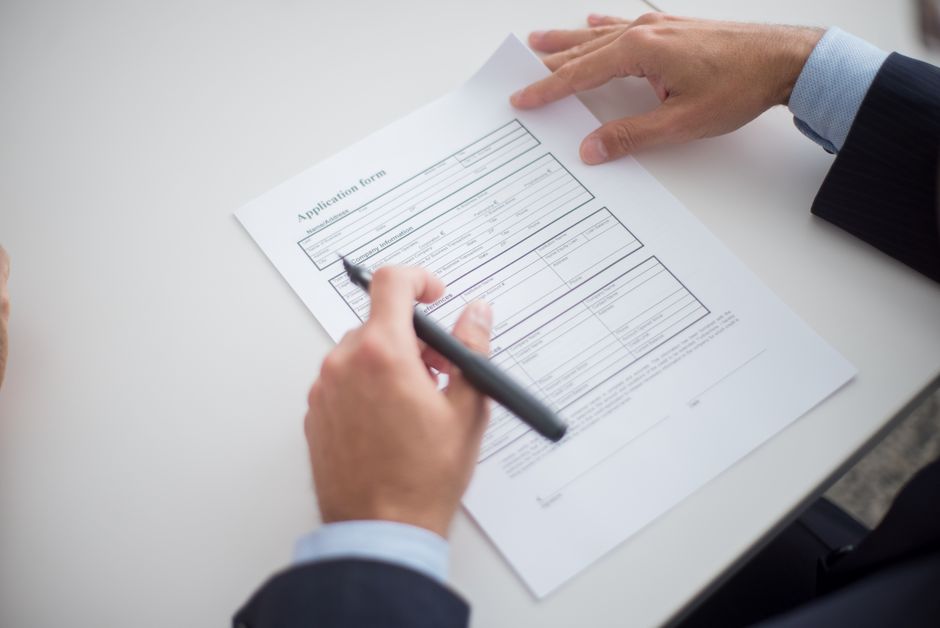
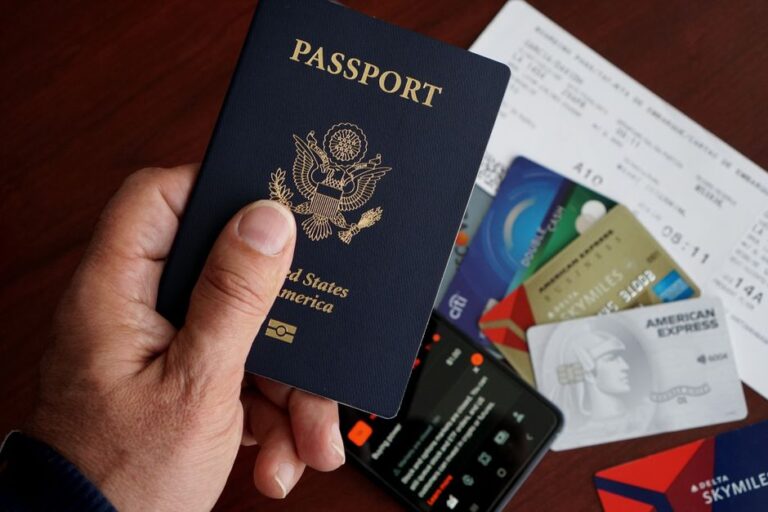
As an American traveler planning to spend 30 days in Nigeria, securing the right visa is a crucial first step. The cost of a Nigerian visa for U.S. citizens can vary depending on the type of visa and the speed of processing. A single-entry visa, which is suitable for most tourists, costs around $160 for a 30-day stay. However, if you need a multiple-entry visa or expedited processing, the cost can increase to $200 or more.
To navigate the visa application process, you’ll also need to factor in additional costs, such as:
- Application fee: $160 (single-entry) or $200 (multiple-entry)
- Processing fee: $20-$50 (depending on the speed of processing)
- Passport photo fee: $10-$20
- Courier service fee (optional): $20-$50
It’s essential to note that the Nigerian government has introduced an e-visa system, which allows travelers to apply online and receive their visa via email. This can streamline the process and reduce the need for in-person visits to the embassy or consulate.
However, the e-visa system may still require you to attend an interview or provide biometric data, so be sure to check the requirements carefully before applying.
To avoid any delays or issues, it’s recommended that you apply for your visa at least 2-3 weeks before your planned departure date. You can submit your application through the Nigerian Immigration Service website or through a reputable visa service agency.
Be sure to carefully review the requirements and follow the instructions carefully to ensure a smooth and successful application process.
Flights to Nigeria: Your Transatlantic Journey Cost
As an American planning to travel to Nigeria for 30 days, one of your biggest expenses will be flights. The cost of round-trip flights from the USA to major Nigerian cities can vary greatly depending on the time of year, demand, and availability. On average, you can expect to pay between $800 to $2,000 for a round-trip economy ticket from the US to Lagos, Abuja, or Port Harcourt.
Some factors that affect the price of flights to Nigeria include:
- Time of year: Peak travel seasons like December and summer months tend to be more expensive
- Demand: Flights to Nigeria can be more expensive during major holidays like Christmas and Easter
- Airline: Different airlines offer varying prices for similar routes
- Booking time: The earlier you book, the better chance you have of getting a cheaper flight
To get the best deal on flights, consider flying into Lagos, as it tends to be the cheapest option. Abuja and Port Harcourt may be more expensive due to less frequent flights. It’s also essential to compare prices across multiple airlines, such as Delta, Ethiopian Airlines, and Lufthansa, and book at least 2-3 months in advance to secure the best rate. Additionally, be flexible with your travel dates, as flying on less busy days like Tuesdays and Wednesdays can often result in cheaper fares.
Accommodation for a Month: Where to Stay & What it Costs
As an American planning to spend 30 days in Nigeria, one of your biggest expenses will be accommodation. Nigeria offers a wide range of lodging options, from luxurious hotels to affordable extended-stay apartments and guesthouses. The cost of accommodation varies significantly depending on the city, location, and type of lodging.
In major cities like Lagos and Abuja, you can expect to pay between $400 to $1,000 per month for a one-bedroom apartment in a decent neighborhood. For example, a furnished apartment in Victoria Island, Lagos, can cost around $600-$800 per month, while a similar apartment in Abuja’s Wuse district can cost between $400-$700 per month.
Some popular options for monthly accommodation in Nigeria include:
- Guesthouses and bed-and-breakfasts, which can cost between $200-$500 per month
- Short-let apartments, which can range from $300-$800 per month
- Hostels and backpacker accommodations, which can be as low as $100-$300 per month
- Luxury hotels and serviced apartments, which can cost $1,500-$3,000 per month
It’s also worth considering the cost of amenities and services, such as electricity, water, and internet, which can add an extra $50-$100 to your monthly bill. Additionally, some landlords may require a deposit or advance payment, so be sure to factor this into your budget. Overall, with some research and planning, you can find comfortable and affordable accommodation in Nigeria for your 30-day stay.
Getting Around: Transportation Costs in Nigeria
As an American traveling to Nigeria for 30 days, understanding the local transportation costs is crucial to budgeting effectively. Nigeria has a variety of transportation options, including rideshares, taxis, and public transport.
,For short distances, rideshare services like Uber and Bolt are widely available in major cities like Lagos and Abuja, with fares starting from around ₦600 ($1.50 USD) for a 5-kilometer ride. Taxis are also an option, but prices are often negotiated beforehand and can range from ₦1,000 to ₦5,000 ($2.50 to $12.50 USD) depending on the distance and your bargaining skills.
For intercity travel, buses are a popular and affordable option. Companies like God is Good Motors and ABC Transport operate daily services between major cities, with fares ranging from ₦5,000 to ₦20,000 ($12.50 to $50 USD) for a one-way ticket, depending on the route and class of service.
Trains are also available for some routes, but the network is limited, and prices are similar to those of buses. When using public transport, be prepared for crowded conditions and potential delays. To give you a better idea, here are some approximate transportation costs in Nigeria:
- Lagos to Abuja by bus: ₦10,000 to ₦20,000 ($25 to $50 USD)
- Lagos to Port Harcourt by flight: ₦50,000 to ₦150,000 ($125 to $375 USD)
- Abuja to Kano by train: ₦5,000 to ₦10,000 ($12.50 to $25 USD)
Keep in mind that prices may vary depending on the time of year, demand, and other factors, so it’s always a good idea to research and compare prices before booking your transportation. Additionally, consider budgeting extra for unexpected expenses, such as taxi fares or last-minute flight changes, to ensure a smooth and enjoyable trip.
Culinary Adventures: Budgeting for Food & Dining
As an American traveling to Nigeria for 30 days, budgeting for food and dining is crucial to manage your expenses effectively. Eating out in Nigeria can range from very affordable to quite expensive, depending on your choices.
For authentic street food, you can expect to spend around $1-$3 per meal, with options like suya, puff-puff, and akara being widely available. Mid-range restaurants, serving both local and international cuisine, can cost between $5-$15 per meal. High-end restaurants, often found in major cities like Lagos and Abuja, can range from $20-$50 per meal.
To plan your daily food expenses, consider allocating $10-$20 per day for meals, which can cover a mix of street food, mid-range restaurants, and some grocery shopping for snacks and essentials.
If you plan to cook some meals yourself, either by staying in an apartment or using hostel kitchen facilities, you can reduce your daily food budget. Some essential groceries like rice, beans, and vegetables can cost between $1-$3 per item, allowing you to prepare meals for $3-$5.
For a 30-day trip, your total food budget could look like this:
- Street food and snacks: $300-$600
- Mid-range restaurants: $300-$900
- Grocery shopping for self-catering: $100-$300
- High-end restaurants or special occasions: $100-$300
Total estimated food budget for 30 days: $800-$2,100
Keep in mind that these estimates can vary based on your personal eating habits, the regions you visit, and the exchange rate. It’s also a good idea to try local specialties and drinks, like jollof rice and palm wine, which can enhance your culinary adventure without breaking the bank. By budgeting wisely and being mindful of your food expenses, you can enjoy the diverse and flavorful Nigerian cuisine without overspending.
Experiences & Sightseeing: What to Do & How Much it Costs
As an American traveler in Nigeria for 30 days, you’ll want to experience the country’s rich culture, history, and natural beauty. Allocating funds for sightseeing and recreational activities is crucial to making the most of your trip. Here’s a breakdown of what to expect and how much you might spend.
For cultural sites and historical landmarks, consider visiting the National Museum in Lagos, which costs around $5 per person, or the Osun Osogbo Sacred Grove, a UNESCO World Heritage Site, which charges a nominal fee of $3 per person.
Guided tours can range from $20 to $50 per person, depending on the location and duration. Some popular tour options include exploring the ancient city of Kano, visiting the Benin City National Museum, or taking a guided hike in the scenic Obudu Plateau.
Some estimated costs for specific experiences and activities include:
- Visiting the Nike Art Gallery in Abuja: free admission, but donations are welcome
- Taking a cooking class to learn about Nigerian cuisine: $30-$50 per person
- Going on a safari adventure in the Yankari National Park: $100-$200 per person, including guide and transportation
- Attending a traditional Nigerian festival or event: $10-$50 per person, depending on the event and location
Keep in mind that prices may vary depending on the time of year, location, and other factors, so it’s essential to research and budget accordingly. As a rough estimate, allocate at least $500-$700 for sightseeing and recreational activities during your 30-day trip to Nigeria. This amount can be adjusted based on your personal preferences and interests, but it should give you a good starting point for planning your trip.
Connectivity & Communication: Staying in Touch
Staying connected in Nigeria can be relatively affordable, with several options for local SIM cards and data plans. As an American traveling to Nigeria for 30 days, you can expect to spend around $20-$50 on a local SIM card, depending on the provider and the amount of data you need.
Major telecom operators like MTN, Glo, and Airtel offer prepaid plans that include data, voice, and text services. For a 30-day stay, consider purchasing a SIM card with a data plan that offers at least 10GB of data, which should cost around $10-$20.
Some popular data plans for tourists include:
- MTN’s Daily Data Plan, which offers 1GB of data for $0.50
- Glo’s Monthly Data Plan, which offers 10GB of data for $10
- Airtel’s Weekly Data Plan, which offers 5GB of data for $5
Keep in mind that these prices may vary depending on the provider and the location. It’s also a good idea to purchase a portable Wi-Fi hotspot, which can provide more reliable internet access, especially in rural areas.
The cost of a portable Wi-Fi hotspot can range from $50-$100, depending on the provider and the data plan.
To maintain reliable internet access throughout your trip, consider the following tips:
- Purchase a local SIM card as soon as you arrive in Nigeria to avoid high roaming charges
- Choose a data plan that suits your needs, and top up regularly to avoid running out of data
- Use public Wi-Fi networks with caution, and consider using a VPN to secure your connection
- Bring a portable power bank to keep your devices charged, especially when traveling to rural areas. By factoring in the cost of local SIM cards, data plans, and portable Wi-Fi hotspots, you can stay connected and enjoy a smooth 30-day trip to Nigeria.
Health & Wellness: Medical Preparations & Insurance
As an American traveling to Nigeria for 30 days, it’s crucial to prioritize your health and wellness. Before embarking on your journey, you’ll need to consider the essential expenses for vaccinations, necessary medical supplies, and comprehensive travel insurance coverage.
The Centers for Disease Control and Prevention (CDC) recommend that travelers to Nigeria be vaccinated against hepatitis A, hepatitis B, typhoid, rabies, and meningitis, which can cost between $50 to $200 per vaccine. Additionally, you may need to take prescription medication to prevent malaria, which can range from $20 to $50 per month.
To ensure you’re adequately prepared, consider the following medical supplies and expenses:
- Vaccination costs: $200-$500
- Malaria medication: $20-$50 per month
- Travel insurance with medical coverage: $100-$300 per month
- Medical kit with essentials like pain relievers, antacids, and band-aids: $20-$50
Comprehensive travel insurance is also a must, as it will cover unexpected medical expenses, evacuations, and trip cancellations. When selecting a travel insurance policy, look for one that provides at least $100,000 in medical coverage and $200,000 in emergency evacuation coverage.
Some popular travel insurance providers for Americans traveling to Nigeria include Allianz, AXA, and TravelGuard. By investing in the necessary medical preparations and insurance, you can enjoy a safe and healthy 30-day trip to Nigeria, with estimated total costs ranging from $500 to $1,200.
Contingency & Shopping: Extra Expenses & Souvenirs
As an American traveling to Nigeria for 30 days, it’s essential to consider extra expenses beyond your initial budget. Contingency funds will help you navigate unforeseen costs, such as medical emergencies or travel disruptions.
Allocate at least 10-15% of your total budget for contingencies. For personal shopping and souvenirs, Nigeria offers a wide range of unique items, including traditional clothing, handicrafts, and local artwork.
Some popular souvenir options include:
- Hand-carved wooden masks and sculptures
- Colorful textiles, such as Adire and Ankara prints
- Intricately designed jewelry, like beads and cowry shells
- Local spices and coffee for a taste of Nigeria back home
When shopping, remember to bargain at markets and from street vendors, as it’s a common practice in Nigerian culture. Additionally, consider the cost of shipping or carrying your purchases, especially if you’re planning to buy bulky items. By budgeting for these extra expenses, you’ll be able to enjoy your Nigerian journey without financial stress, and return home with memorable souvenirs.
The Grand Total: Crafting Your 30-Day Nigeria Budget
To craft a practical and personalized financial plan for your 30-day trip to Nigeria, it’s essential to summarize all estimated expenses. Based on average costs, a month-long visit to Nigeria can cost an American traveler around $3,500 to $5,000.
This total includes flights, accommodation, food, transportation, and activities. Breaking down the estimated costs, you can expect to spend around $1,000 to $1,500 on flights from the US to Nigeria, depending on the time of year and how far in advance you book. Accommodation can range from $400 to $1,000 for the entire month, considering options like hostels, guesthouses, and Airbnb apartments.
Other expenses to consider include:
- Food: $300 to $500 for the month, with meals starting from $3 to $5 at local eateries
- Transportation: $100 to $200 for the month, including taxis, buses, and occasional car rentals
- Activities and entrance fees: $200 to $300 for the month, covering visits to national parks, museums, and cultural events
- Miscellaneous expenses, such as souvenirs and unexpected costs: $200 to $300 for the month
Keep in mind that these estimates can vary greatly depending on your personal travel style, exchange rates, and the specific locations you plan to visit within Nigeria. To create a more accurate budget, consider your own spending habits and preferences, and research specific costs for your desired activities and destinations. By doing so, you’ll be able to plan a memorable and affordable 30-day trip to Nigeria.
Before You Travel
Traveling to Nigeria for 30 days as an American requires careful planning and budgeting. By understanding the estimated costs of accommodation, food, transportation, and activities, you can create a realistic budget and make the most of your time in Nigeria.
Remember to research and book ahead, be flexible with your plans, and stay safe while exploring this incredible country. With this guide, you’re one step closer to embarking on an unforgettable Nigerian adventure, so start planning your trip today and get ready to experience all that Nigeria has to offer!
Frequently Asked Questions
What is a reasonable daily budget for an American traveler in Nigeria?
A reasonable daily budget for an American traveler in Nigeria can range from $50 to $200+, depending on your travel style, accommodation choices, and activities. This typically covers food, local transport, and basic activities.
Is it safe for American citizens to travel to Nigeria?
Safety in Nigeria varies by region; major cities and tourist areas generally welcome visitors, but it’s crucial to stay informed about current travel advisories from the U.S. State Department and exercise caution, especially in certain northern states and the Niger Delta region. Always use reputable transportation and accommodations.
What is the best currency to use for transactions in Nigeria?
The official currency of Nigeria is the Naira (NGN). While major credit cards are accepted in larger hotels and establishments, it’s advisable to carry sufficient Naira for smaller purchases, markets, and local vendors. USD can sometimes be exchanged at bureaux de change.
How can an American traveler save money on a 30-day trip to Nigeria?
To save money, consider staying in guesthouses or Airbnb rentals for longer durations, eating at local eateries, using public transport or rideshare apps strategically, and booking flights in advance. Exploring free or low-cost cultural activities can also help reduce expenses.
Are there specific vaccinations required for American travelers visiting Nigeria?
Yes, American travelers to Nigeria are typically required to have a yellow fever vaccination, and it’s highly recommended to be vaccinated against Hepatitis A and B, Typhoid, and to take malaria prophylaxis. Consult your doctor or a travel clinic well in advance of your trip.