
How to Plan a Honeymoon Trip to Japan and South Korea: A Realistic Planning Guide
Planning a honeymoon that combines the distinct historical depth of Japan with the modern energy of South Korea requires balancing logistics, transit times, and realistic budgeting. A trip that merges these two cultures poses a unique challenge but offers unparalleled rewards. Couples can experience the rich traditions of Japan alongside the dynamic urban landscapes of South Korea, creating a diverse romantic adventure.
This guide serves as your essential compass for crafting such a journey, ensuring you consider all key aspects of planning your honeymoon.
📋 Table of Contents
-
1
Why Choose a Combined Japan and South Korea Honeymoon?
-
2
Must-Do Romantic Activities and Cultural Experiences
-
3
The Best Time to Visit to Avoid Crowds and Bad Weather
-
4
Luxury and Ryokan Stays: Where to Book Your Honeymoon Nights
-
5
International Flights and Arrival Day Logistics
-
6
Transitioning Between Japan and South Korea: Flights vs Ferries
-
7
Getting Around: Deciding If the Japan Rail Pass is Still Worth It
-
8
Honeymoon Budgeting: What Does a Dual-Country Trip Actually Cost?
-
9
Should You Plan DIY or Hire a Specialist Travel Advisor?
-
10
Conclusion: Your Dream Multi-Country Honeymoon Awaits
-
11
Frequently Asked Questions
Why Choose a Combined Japan and South Korea Honeymoon?
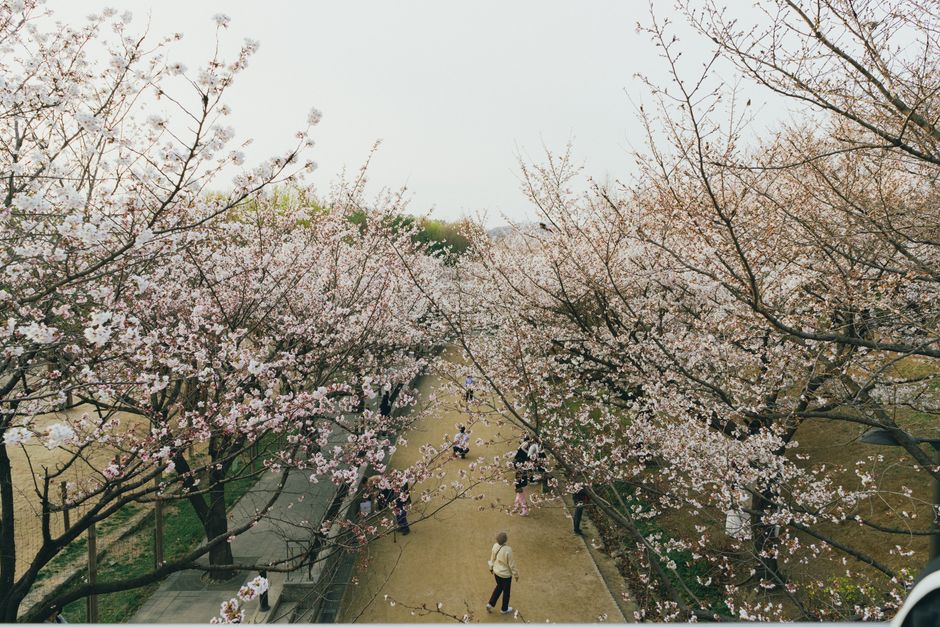
Choosing a combined honeymoon in Japan and South Korea allows couples to experience a fascinating blend of traditional culture and modern attractions. Japan offers romantic experiences such as serene ryokans and historic temples, while South Korea’s vibrant cities provide a lively contrast. Tokyo features modern skyscrapers and busy streets, while Seoul showcases a mix of ancient palaces and contemporary art.
Many travelers appreciate the balance these countries provide, making it easy to alternate between leisure and adventure. This combination ensures that honeymooners can enjoy both intimate moments and exciting explorations, catering to varied interests.
Must-Do Romantic Activities and Cultural Experiences
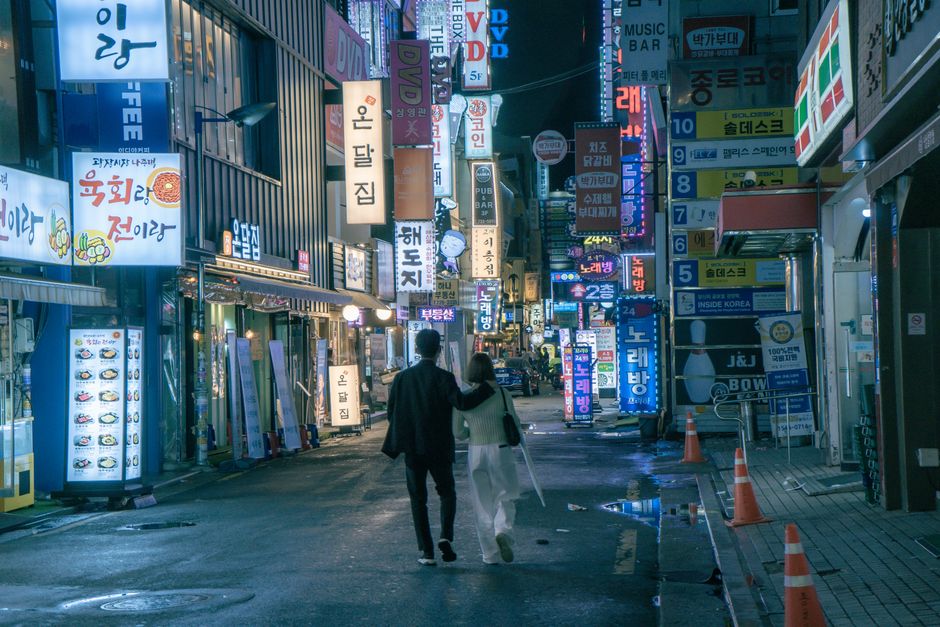
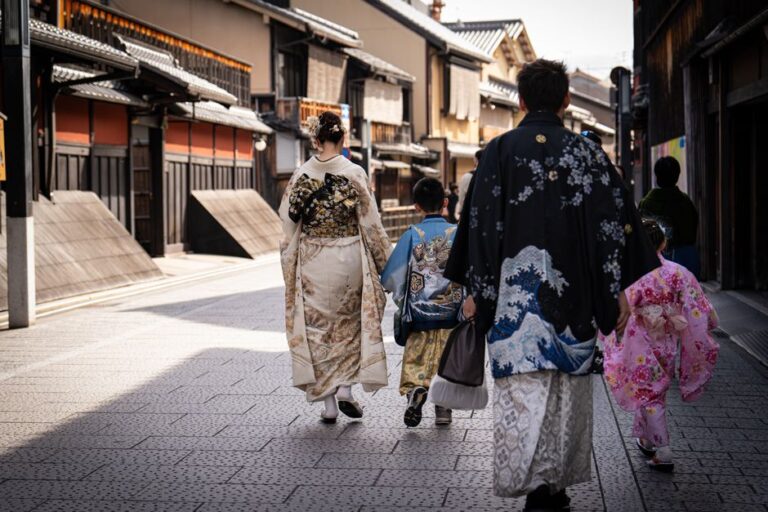
In Tokyo, visit Senso-ji Temple for a serene walk, and explore the bustling streets of Shibuya and Harajuku. In Seoul, wearing a traditional hanbok in Bukchon Hanok Village offers a unique cultural experience.
Many couples recommend strolls through Gyeongbokgung Palace and Insadong, where art and history intertwine. A common complaint is that some of these attractions can be crowded, particularly during peak tourist seasons. To avoid crowds, consider visiting popular sites early in the morning or during weekdays for a more intimate experience.
The Best Time to Visit to Avoid Crowds and Bad Weather
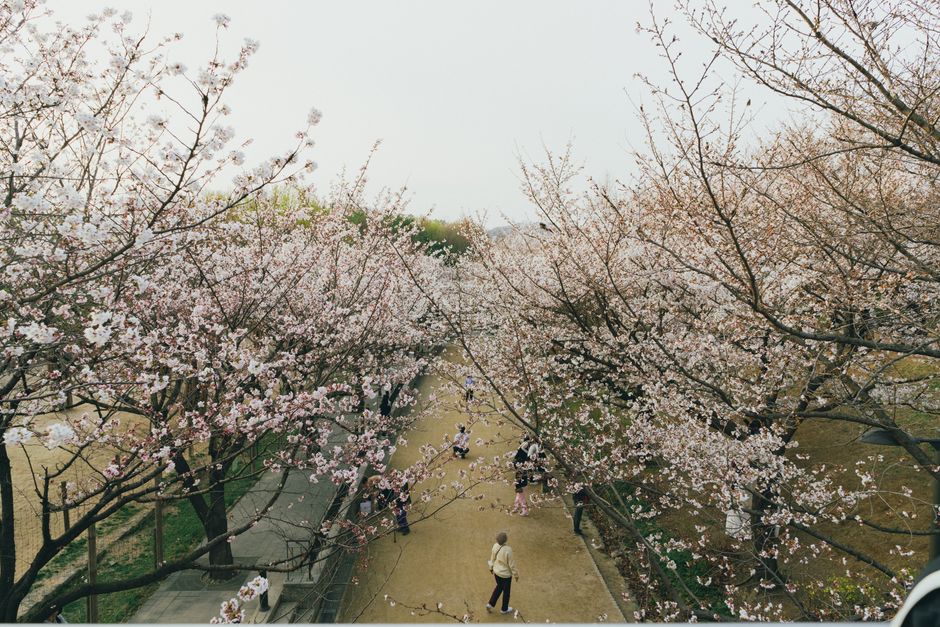
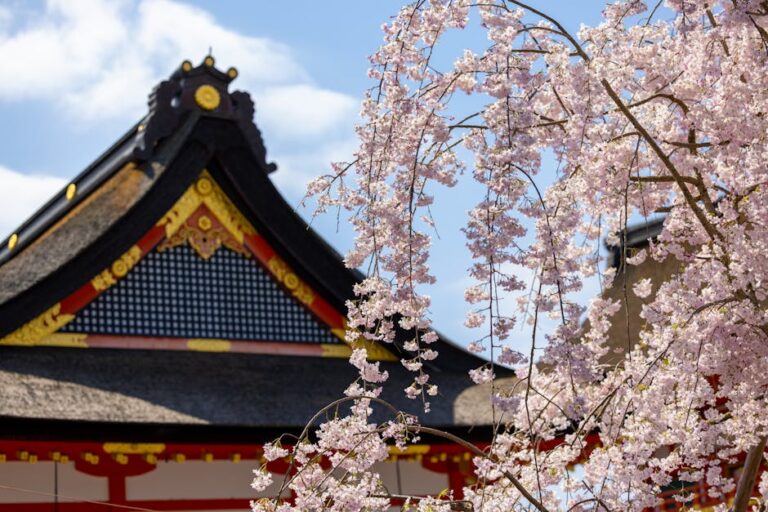
The best time to visit Japan and South Korea is during the spring cherry blossom season in April and the autumn foliage months in October. These periods draw large crowds, and accommodations can fill up quickly. Travelers are advised to book their trips at least 3 to 6 months in advance for these peak times.
Some visitors find that the summer months can be hot and humid, while winter offers a quieter experience but colder weather. Timing your visit carefully can enhance your experience and help avoid both high prices and long lines.
Luxury and Ryokan Stays: Where to Book Your Honeymoon Nights
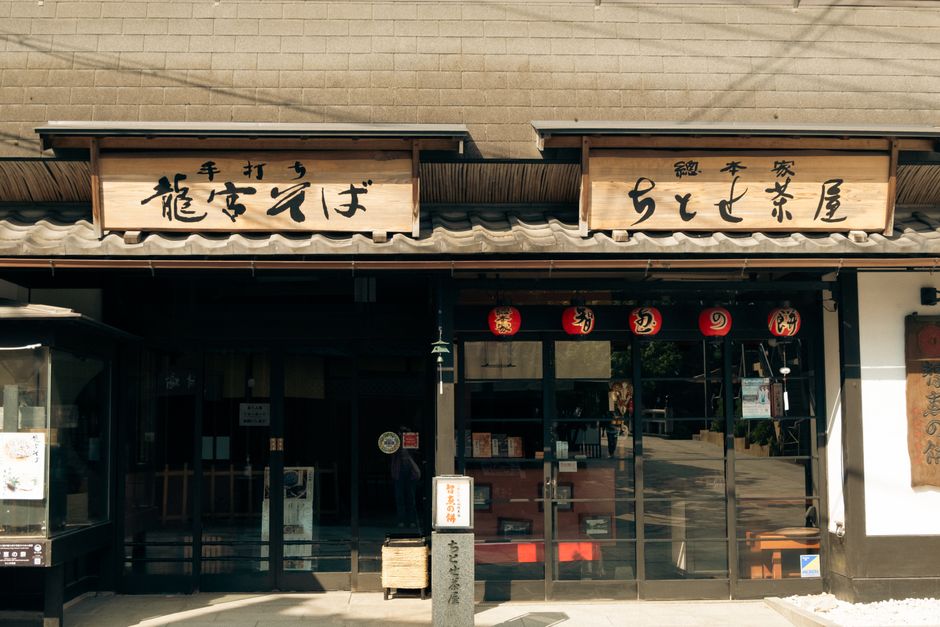
For luxury stays, consider accommodations like the Shangri-La Tokyo, known for its spacious rooms and exceptional service. Alternatively, HOSHINOYA Kyoto offers an intimate experience with a traditional ryokan atmosphere. In Seoul, The Shilla Seoul provides top-notch luxury, while RakKoJae Seoul offers private hanok villas for a unique touch.
Prices for these luxury accommodations typically range from $300 to $800 per night, depending on the location and season. Couples should book in advance to secure the best rates and ensure availability, especially during high-demand periods.
International Flights and Arrival Day Logistics
When planning your arrival, consider landing at either Haneda Airport (HND) or Narita Airport (NRT). Haneda is closer to Tokyo Station, taking about 25 minutes, while Narita Express takes about an hour. Many travelers report that choosing Haneda can save time and reduce jet lag.
On arrival day, it’s essential to have a plan for getting to your accommodation. Various transit options, including trains and taxis, are available but can vary in price. Expect to spend around $30 for a taxi from Haneda to central Tokyo.
Transitioning Between Japan and South Korea: Flights vs Ferries
When transitioning between Japan and South Korea, travelers can choose between flights and ferries. Short flights from Tokyo or Osaka to Seoul or Busan typically take about two hours and are often the faster option. However, for a unique experience, consider taking the ferry from Fukuoka to Busan, which offers a scenic journey and takes approximately three hours.
Flight prices can vary, but expect to pay around $100 to $200 for a one-way ticket. The ferry may be slightly cheaper, but travelers should weigh the convenience of flying against the romantic allure of a ferry crossing.
Getting Around: Deciding If the Japan Rail Pass is Still Worth It
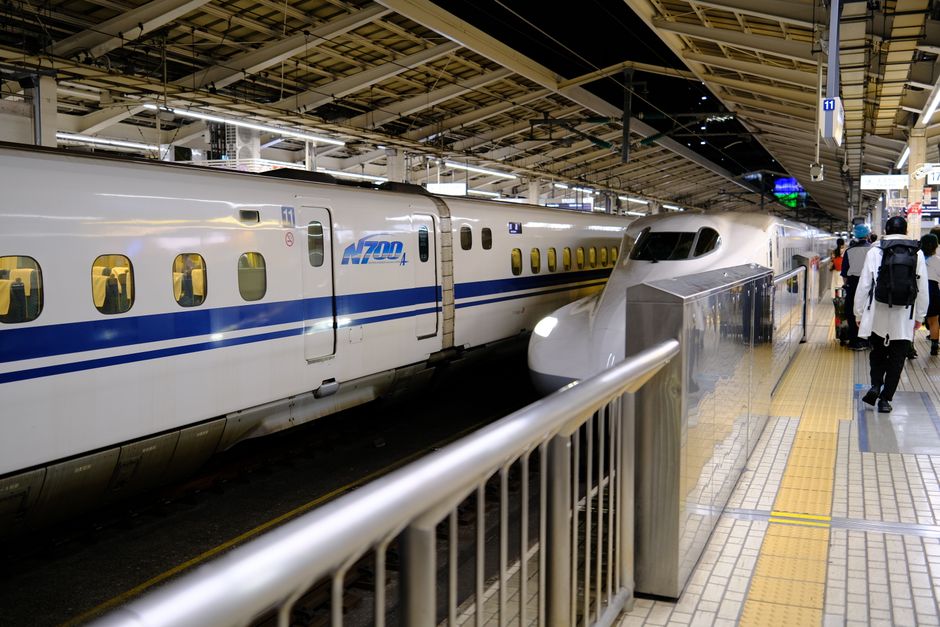
The Japan Rail Pass (JR Pass) has seen recent price increases, making it less appealing for some travelers. Many honeymooners find that purchasing individual Shinkansen and KTX tickets can be more budget-friendly for this itinerary. A one-way Shinkansen ticket from Tokyo to Kyoto costs approximately $130, while a KTX ticket from Seoul to Busan is about $50.
Couples should calculate their travel needs carefully, as the JR Pass may not provide the savings it once did, especially if planning only a few train journeys.
Honeymoon Budgeting: What Does a Dual-Country Trip Actually Cost?
Budgeting for a honeymoon in Japan and South Korea requires a realistic understanding of costs. For mid-range accommodations, expect to pay around $150 to $300 per night, while luxury stays can range from $300 to $800. Daily expenses, including meals and transport, can add another $100 to $200.
Many travelers report that planning a modest budget may be challenging, especially during peak seasons when prices rise. Couples should factor in these costs when planning their itinerary to ensure a comfortable experience.
Should You Plan DIY or Hire a Specialist Travel Advisor?
Deciding whether to plan your honeymoon DIY or hire a specialist travel advisor involves weighing time and cost. Agencies like Juniper Tours offer custom itineraries and handle private transport and cultural bookings, which can save couples considerable planning time. A common advantage of using professionals is their local knowledge and access to exclusive experiences.
However, if you prefer a hands-on approach, researching and booking your own trip can be rewarding and cost-effective. Many travelers recommend considering a free consultation with a specialist to assess your needs.
Conclusion: Your Dream Multi-Country Honeymoon Awaits
Combining the futuristic streets of Japan with the dynamic cultural warmth of South Korea offers a rich, dual-faceted honeymoon experience. Couples should carefully structure their transit, book luxury accommodations in advance, and maintain realistic expectations about costs and logistics. By following this guide, you can plan a seamless romantic adventure that captures the essence of both countries, making your honeymoon a memorable journey.
Frequently Asked Questions
Is $5000 enough for a 2-week honeymoon in Japan and South Korea?
No, a dual-country honeymoon with mid-range hotels, internal high-speed train transit, and activities typically starts around $8,000 for two people, excluding international flights.
Is South Korea a good honeymoon destination, especially when combined with Japan?
Yes, South Korea offers excellent infrastructure, high-end design hotels, and coastal escapes like Jeju Island that provide a beautiful contrast to Tokyo and Kyoto.
What is the best month to visit Japan and South Korea for a honeymoon?
May and October offer the ideal balance of mild daytime temperatures, low rainfall, and more manageable crowds than the peak spring blossom season.