
How to Navigate Japan Customs: Essential Etiquette Rules for First-Time Travelers
Start with an unexpected but universally relatable scenario of cultural confusion. Imagine stepping off the plane in Japan, only to realize you’ve made a major etiquette blunder, like bowing too low or using your chopsticks incorrectly. Such missteps are all too common for first-time travelers.
This practical guide details the essential social codes you must know to explore Tokyo, Kyoto, and beyond without causing unintentional offense. Understanding these customs will help you navigate Japan’s unique etiquette for a truly immersive and respectful experience.
📋 Table of Contents
-
1
Tip 1: Greetings, Bowing, and Avoiding Physical Contact
-
2
Tip 2: Master the Dining Table and Chopstick Rules
-
3
Tip 3: Navigate Restaurants, Service Codes, and the No-Tipping Rule
-
4
Tip 4: Handle Izakaya Cover Charges and Drinking Norms
-
5
Tip 5: Learn When to Take Off Your Shoes and Use Slippers
-
6
Tip 6: Avoid Eating on the Move to Prevent Tabearuki Faux Pas
-
7
Tip 7: Carry Your Own Trash Bag Due to a Lack of Public Bins
-
8
Tip 8: Observe Public Transport Etiquette and Escalator Rules
-
9
Tip 9: Follow Onsen Rules and Bathhouse Etiquette
-
10
Tip 10: Wear Your Yukata and Traditional Robes Correctly
-
11
Tip 11: Respect Local Privacy Laws When Taking Photos or Drones
-
12
Tip 12: Use Practical Phrases and Know When to Wear a Mask
-
13
Conclusion: Embrace the Effort
-
14
Frequently Asked Questions
Tip 1: Greetings, Bowing, and Avoiding Physical Contact
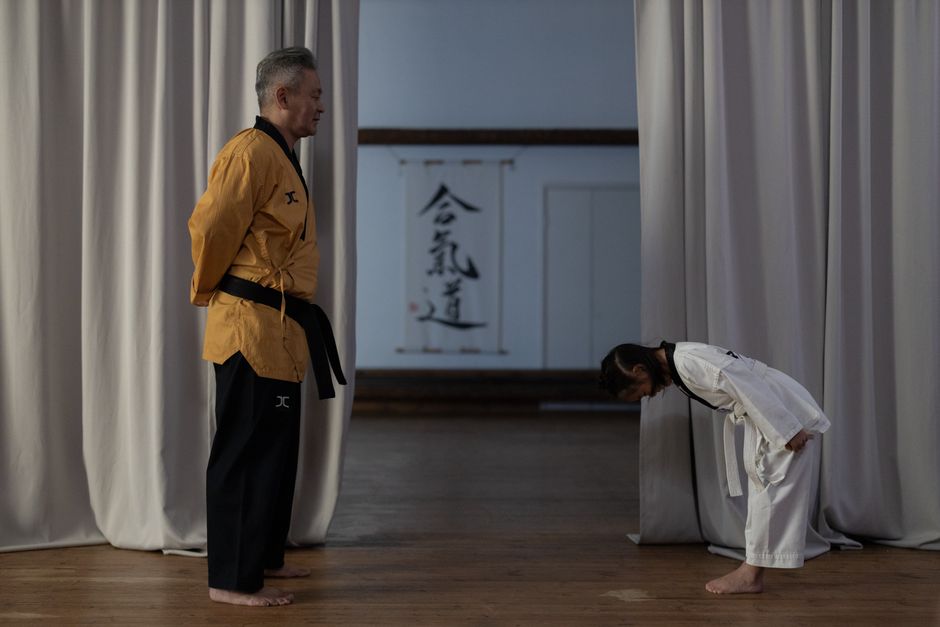
Understanding the correct depth of a bow is crucial in Japan. A slight bow of the head is often sufficient when greeting acquaintances. However, deeper bows are reserved for showing respect to elders or in formal situations.
Many travelers report that avoiding physical contact, such as hugs or kisses, is essential, as public displays of affection (PDA) are frowned upon.
It is not unusual for first-time visitors to feel awkward when greeting locals, but a simple bow can go a long way in showing respect.
A common complaint is that newcomers sometimes bow too deeply or too shallowly, which can create confusion.
Remember, the key is to observe the locals and follow their lead.
Tip 2: Master the Dining Table and Chopstick Rules
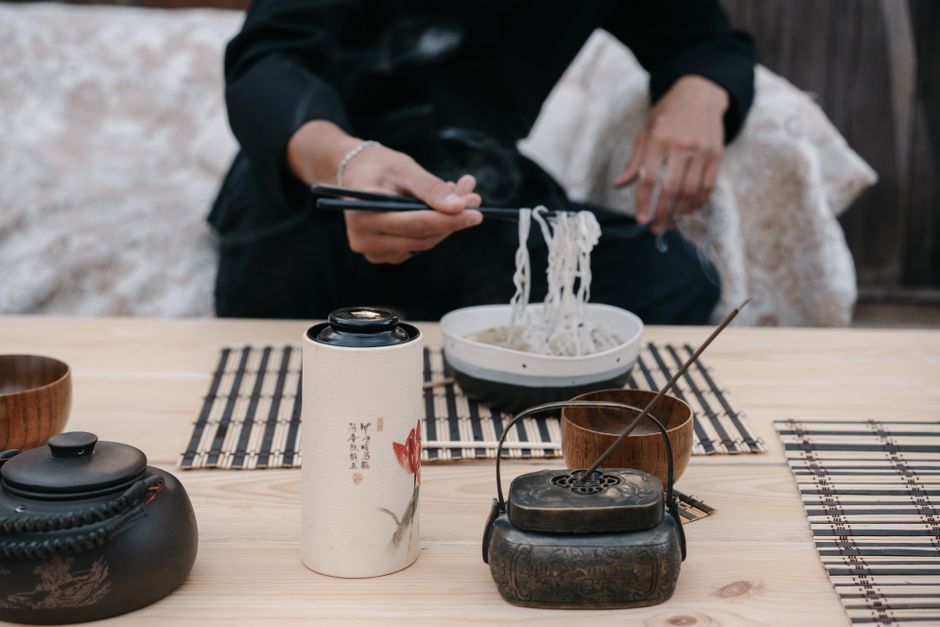
When dining in Japan, mastering chopstick etiquette is essential. Never stick chopsticks vertically into a bowl of rice, as this mimics funeral rituals.
Many travelers find it challenging to remember not to pass food directly between chopsticks, as this also resembles funeral practices.
Instead, use a serving utensil or your hands. A common mistake is resting chopsticks upright on a bowl; it’s better to place them on a hashioki, or chopstick rest, if available.
Familiarizing yourself with these customs can prevent uncomfortable dining situations and show your appreciation for Japanese culture.
Tip 3: Navigate Restaurants, Service Codes, and the No-Tipping Rule
Navigating restaurants in Japan requires understanding local service customs. Avoid modifying your order, as this is often seen as disrespectful to the chef’s expertise.
When dining, wait to be seated; many establishments operate on a first-come, first-served basis.
Tipping is not customary, and leaving cash tips may lead to your server chasing you down to return it.
Some visitors find this system rigid, but it reflects a deep respect for service. Familiarize yourself with common phrases like “Sumimasen” to get the waitstaff’s attention without seeming rude.
Tip 4: Handle Izakaya Cover Charges and Drinking Norms
Traditional izakayas often have a mandatory cover charge called otoshi, which typically costs around $3-5 and serves as a small appetizer.
Be prepared for this charge on your bill. Additionally, while drinking, remember to pour drinks for others using both hands; this is part of building social bonds.
Many travelers report feeling overwhelmed by these customs, but understanding them can enhance your experience. A common complaint is that newcomers forget to pour for others, which may come off as inconsiderate.
Tip 5: Learn When to Take Off Your Shoes and Use Slippers
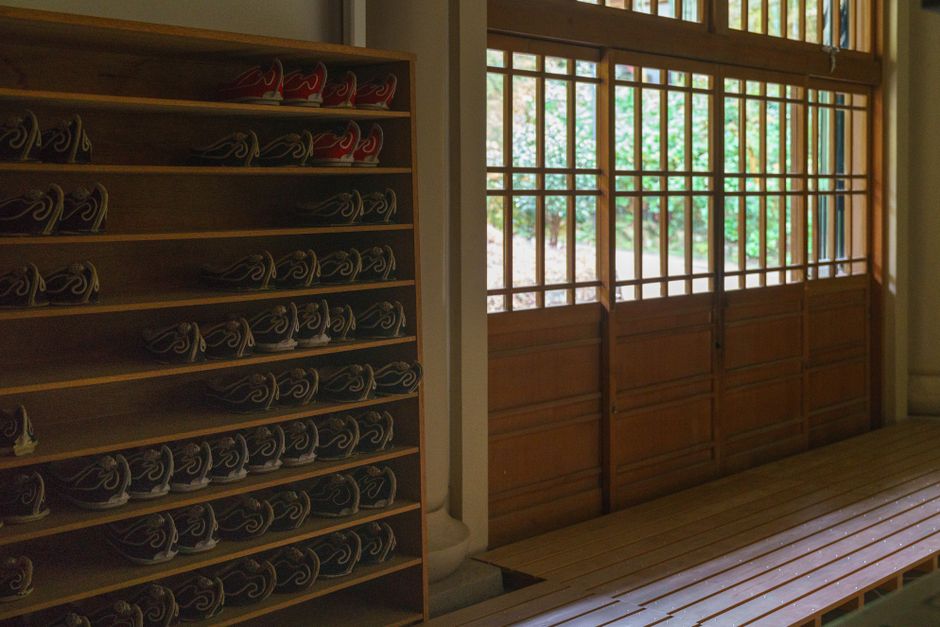
In Japan, it is customary to remove outdoor shoes at ryokans and temples. Always be sure to switch to provided slippers when entering these spaces.
However, it is crucial not to wear these restroom slippers outside the bathroom, as this can be seen as disrespectful.
Many travelers find this practice confusing, but it is a significant aspect of Japanese cleanliness and etiquette. A frequent mistake is forgetting to switch slippers, which can lead to embarrassment.
Tip 6: Avoid Eating on the Move to Prevent Tabearuki Faux Pas
Eating while walking, known as tabearuki, is generally frowned upon in Japan. To avoid offending locals, plan to stand near the convenience store or stall where you purchase food. Many travelers report feeling uncomfortable when they see others eating on the move, as it is considered disrespectful to the food.
A common complaint is that newcomers are unaware of this social norm and end up eating while walking, drawing unwanted attention.
Tip 7: Carry Your Own Trash Bag Due to a Lack of Public Bins
Public waste bins are scarce in Japan, which means you should plan to carry your trash with you.
Many travelers report being caught off guard by the lack of public bins and end up carrying empty bottles and packaging until they return to their hotel room.
A common mistake is expecting to find trash cans readily available, leading to frustration.
Be prepared and carry a small bag for your waste while exploring.
Tip 8: Observe Public Transport Etiquette and Escalator Rules
When using public transport, observe etiquette by keeping your phone on silent and avoiding calls on the subway.
In Tokyo, commuters stand on the left of escalators, while in Osaka, they stand on the right. Many travelers find it challenging to adjust to these rules, especially during rush hour.
A frequent complaint is that newcomers inadvertently block paths, causing irritation among locals. Respecting these customs will help you blend in smoothly during your travels.
Tip 9: Follow Onsen Rules and Bathhouse Etiquette
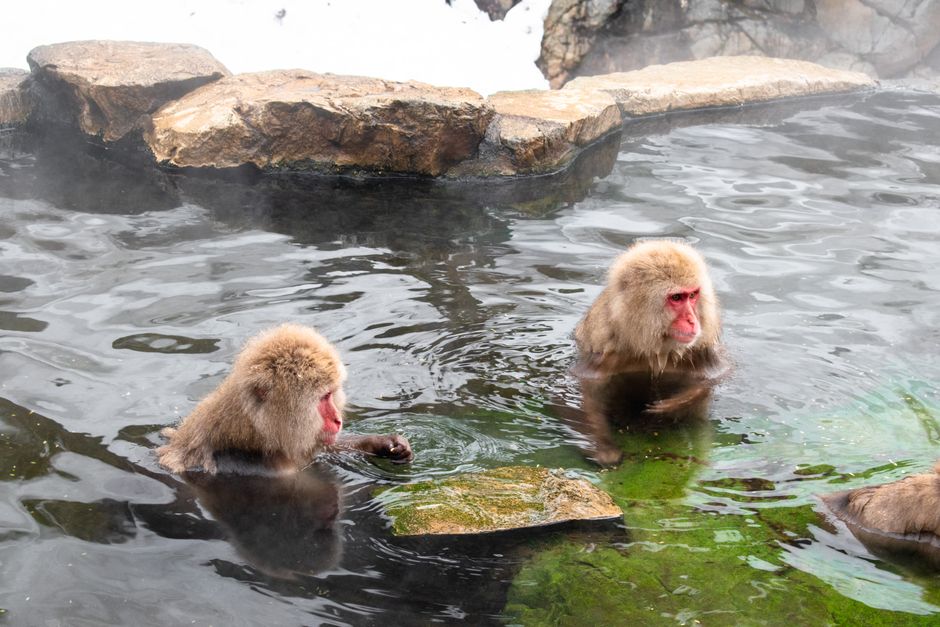
Visiting onsens and public baths comes with specific etiquette. You must scrub down completely at a sit-down shower station before entering the hot water, and nudity is customary.
Be aware that visible tattoos may bar you from entry entirely, as many onsen establishments prohibit them.
Many travelers find this surprising, but understanding the rules enhances the experience. A common mistake is assuming that tattoos are acceptable, leading to denial at the entrance.
Tip 10: Wear Your Yukata and Traditional Robes Correctly
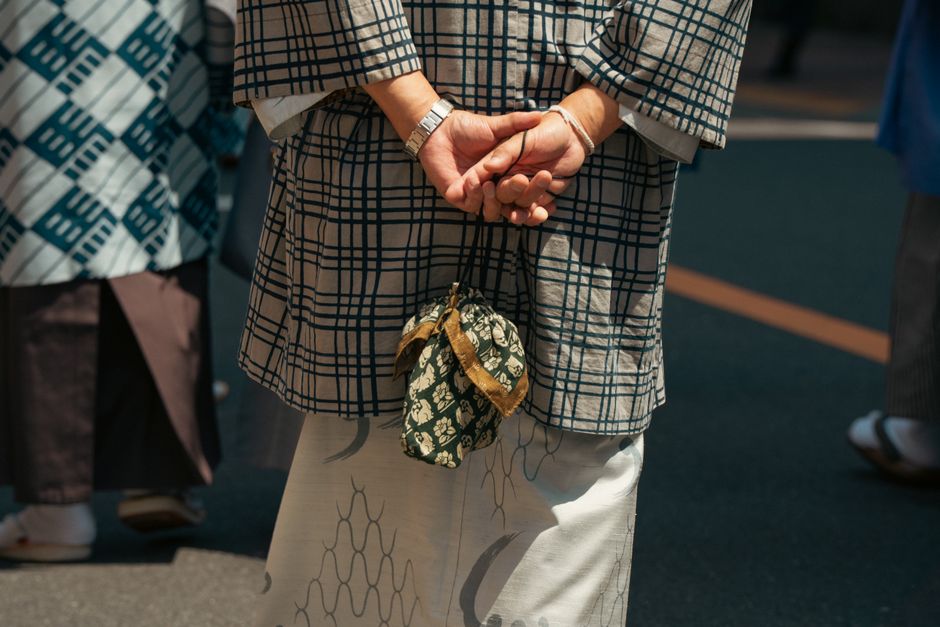
Wearing a yukata, a traditional cotton robe, requires attention to detail. Always wrap the left side over the right; reversing this style is reserved for dressing bodies at a traditional funeral, which could be offensive.
Many travelers report feeling uncertain about how to wear a yukata properly, but observing locals can help.
A frequent issue arises when newcomers mistakenly wrap their yukata incorrectly, leading to embarrassment.
Tip 11: Respect Local Privacy Laws When Taking Photos or Drones
Respect local privacy laws when taking photos. Avoid taking close-up photographs of geishas in Kyoto without permission, and always check for municipal rules regarding flying drones. Many travelers find this aspect of Japanese culture challenging, as they may not be aware of the restrictions.
A common complaint is that visitors often forget to ask for permission, leading to uncomfortable situations. Familiarizing yourself with photography etiquette will show your respect for local customs.
Tip 12: Use Practical Phrases and Know When to Wear a Mask
Carrying a mask for crowded train journeys is highly appreciated in Japan. Additionally, using simple phrases like “Sumimasen” (excuse me) and “Arigatou gozaimasu” (thank you very much) will go a long way with restaurant staff. Many travelers report that learning a few basic phrases enhances their interactions.
A common mistake is assuming that English is widely understood, which can lead to miscommunication. Making an effort to use the local language fosters goodwill.
Conclusion: Embrace the Effort
While navigating Japan’s unique social rules can seem intimidating at first, local residents appreciate your effort to respect their culture. Keep these core etiquette rules in mind, and you will ensure a warm, rewarding, and culturally rich journey. The key is to observe, learn, and adapt to the customs around you.
Embracing the effort will enhance your experience and help you connect more deeply with the people and places you encounter.
Frequently Asked Questions
What are some common Japanese etiquette and customs?
Key customs include bowing to greet others, removing shoes before entering homes or traditional accommodations, keeping your voice quiet on public transport, and avoiding tipping at restaurants.
What are common mistakes tourists make in Japan?
Common mistakes include walking while eating (tabearuki), sticking chopsticks vertically into rice, forgetting to swap to dedicated restroom slippers, and tipping service staff.