
The Realistic Guide to Planning Safe Solo Travel in South America
Addressing and allaying common fears and challenges of solo travel in South America is crucial for a rewarding experience. This guide outlines a realistic, step‑by‑step approach to planning a safe and budget‑friendly solo trip through South America. Practical safety strategies and detailed planning advice help travelers navigate the region confidently.
📋 Table of Contents
- 1 Step 1: Address Practical Pre-Trip Logistics and Health Risks
- 2 Step 2: Narrow Down Your Route and Budget Wisely
- 3 Step 3: Choose Safe Transit Options and Avoid Dangerous Night Routes
- 4 Step 4: Use Reliable Methods to Meet Travelers and Stay Connected
- 5 Step 5: Navigate Colombia’s Cities and Trails Without ‘Giving Papaya’
- 6 Step 6: Handle High Altitudes and Eco-Tourism in Ecuador
- 7 Step 7: Explore Peru’s Coastal Hotspots and Andean Trails
- 8 Step 8: Avoid Common Petty Theft and Scams in Bolivia
- 9 Step 9: Master Long-Distance Travel Safely in Chile and Argentina
- 10 Step 10: Stay Aware in Brazil and the Less-Traveled Guianas
- 11 Embrace the Adventure Confidently
- 12 Frequently Asked Questions about Solo Travel in South America
Step 1: Address Practical Pre-Trip Logistics and Health Risks
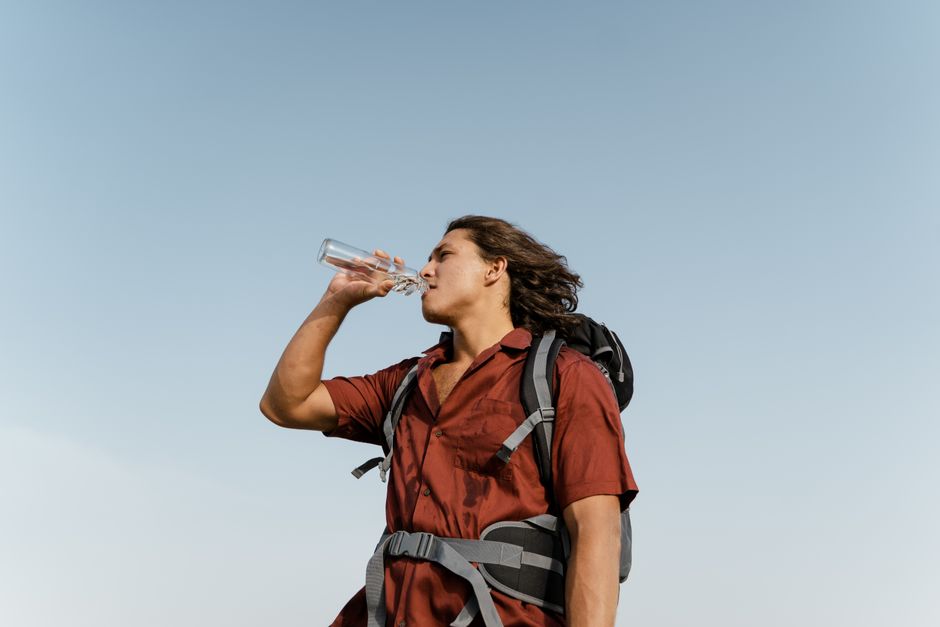
To prepare for your trip, start with the essential logistics and health precautions. U.S. citizens need to consider visa fees, with Bolivia and Paraguay charging $160 for entry. It’s also wise to look into vaccinations, especially for Yellow Fever if you plan to visit areas in the Amazon.
Many travelers report experiencing altitude sickness in places like Quito, which sits at an elevation of 9,350 feet (2,850 meters). Having travel insurance is a smart move to cover unexpected medical expenses or trip cancellations. Additionally, plan for any necessary medications in advance to avoid issues while traveling.
Step 2: Narrow Down Your Route and Budget Wisely
When planning your route, avoid the mistake of trying to cover the entire continent in a short time. This approach can lead to unnecessary costs and stress. Instead, focus on specific countries or regions that interest you.
South America has diverse offerings, from the Andes Mountains to coastal cities. Many travelers suggest spending more time in fewer locations to fully appreciate the culture and scenery. This strategy allows for deeper experiences and better budgeting, reducing transportation costs.
Step 3: Choose Safe Transit Options and Avoid Dangerous Night Routes
Choosing safe transit options is vital. Many travelers find that domestic flights can be expensive but provide safety and speed, especially across large distances. In contrast, night buses often offer a cheaper alternative but can pose safety risks.
For example, traveling from Quito to Bogotá or through the Darien Gap between Panama and Colombia can be complicated and dangerous at night. Budget around $50-100 for domestic flights, while bus fares can be as low as $15 but come with risks. Avoiding nighttime transport can help prevent potential issues.
Step 4: Use Reliable Methods to Meet Travelers and Stay Connected
To meet fellow travelers and maintain communication, consider staying in vetted hostels or participating in group activities. Many travelers report success in connecting with others through social networks like Facebook groups dedicated to South America travel. Engaging in walking tours or local events can also foster friendships.
Reliable Wi-Fi is common in many hostels, ensuring you can stay connected with friends and family back home.
Step 5: Navigate Colombia’s Cities and Trails Without ‘Giving Papaya’
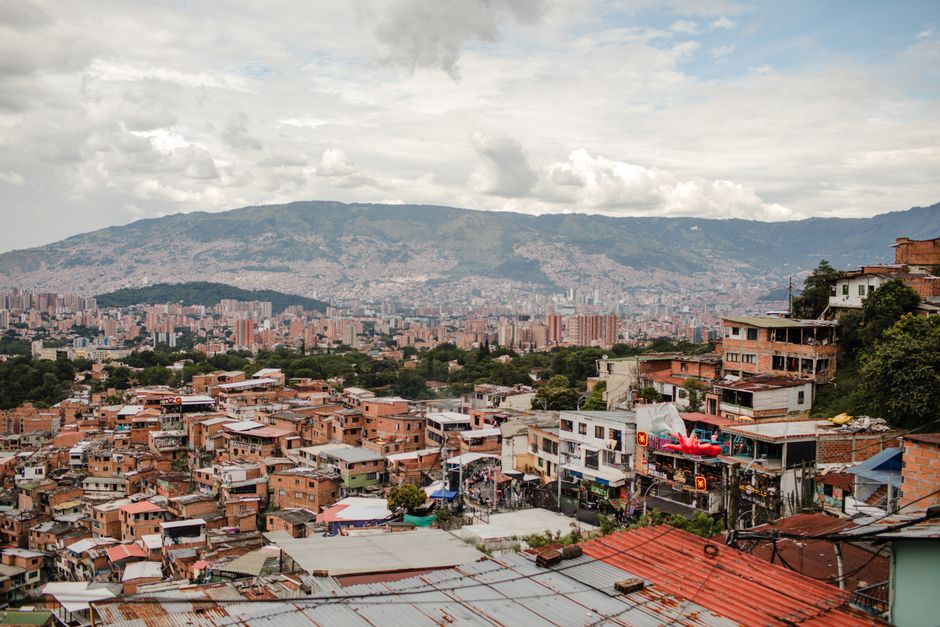
Navigating cities and trails in Colombia requires awareness of local safety practices. A common saying among locals is “No Dar Papaya,” meaning do not expose yourself to potential theft. In cities like Bogotá, Medellín, and Cartagena, stick to well-populated areas and avoid displaying valuables.
When trekking to La Ciudad Perdida, join a guided tour for safety and security. Popular sites like the Gold Museum or Monserrate in Bogotá are generally safe during the day, but exercise caution at night.
Step 6: Handle High Altitudes and Eco-Tourism in Ecuador
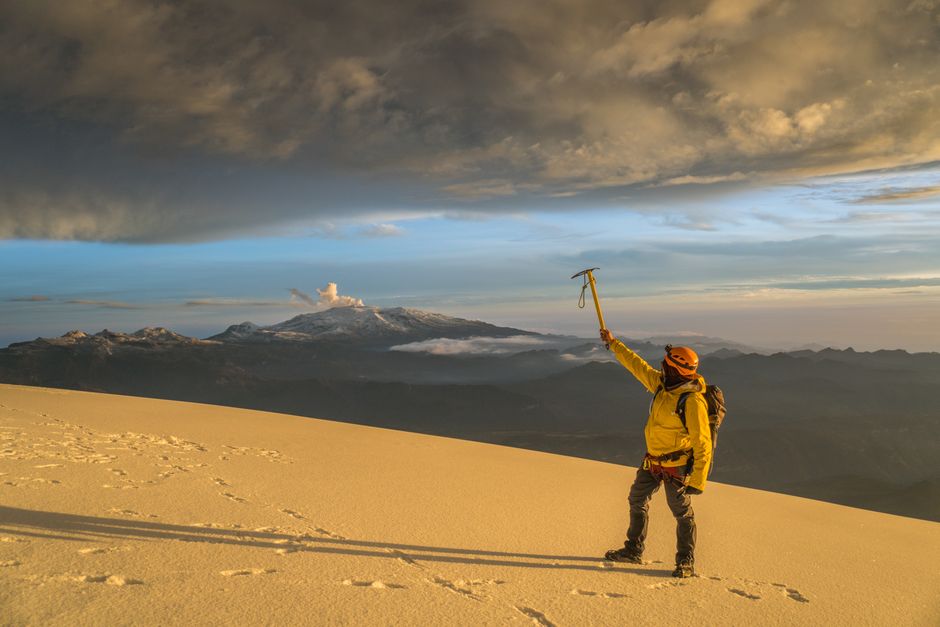
In Ecuador, prepare for the high altitude of Quito and understand the rules surrounding eco-tourism in the Galápagos Islands. Quito’s altitude can lead to altitude sickness for newcomers. It’s advisable to spend a day acclimatizing before engaging in strenuous activities.
The Galápagos National Park charges a mandatory entry fee of $100. Sustainable practices are essential when visiting, such as avoiding single-use plastics and respecting wildlife.
Step 7: Explore Peru’s Coastal Hotspots and Andean Trails
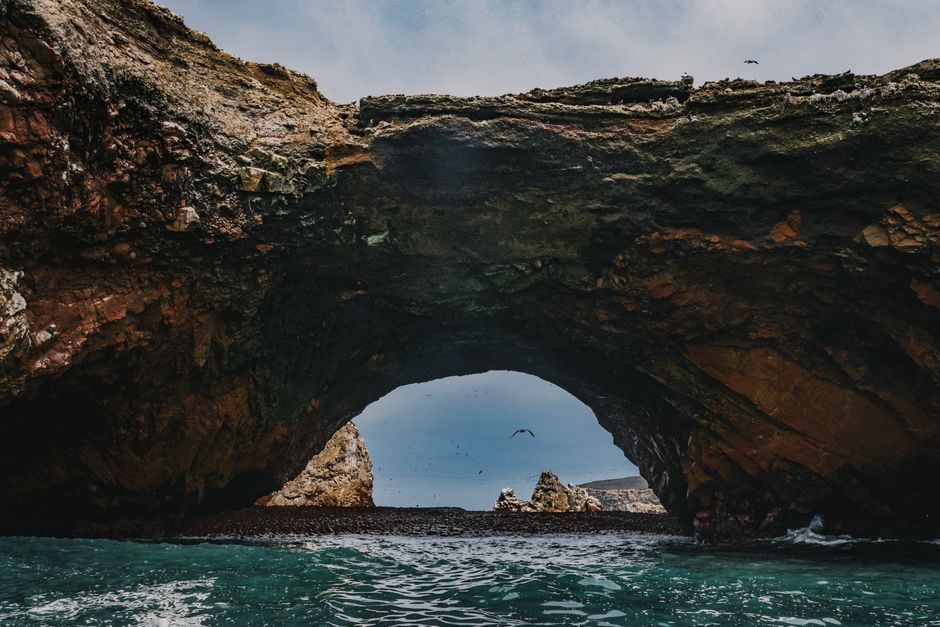
When exploring Peru, be mindful of safety in urban areas like Lima and plan secure travel to Cusco and Machu Picchu. Lima’s districts such as Miraflores and Barranco are popular among travelers, but petty crime can occur. Use reputable transportation services to travel between cities.
For example, consider booking a bus to Cusco, which can cost around $30-50. Always stay alert and avoid walking alone at night.
Step 8: Avoid Common Petty Theft and Scams in Bolivia
Protect yourself against petty theft and scams in Bolivia, especially in crowded places like La Paz. Many travelers find that bus stations can be hotspots for thieves. It’s best to secure your belongings and remain vigilant.
Group tours to the Uyuni Salt Flats can help ensure safety, with many reputable companies available. Be prepared to pay around $150-200 for a multi-day tour that includes transportation and accommodation.
Step 9: Master Long-Distance Travel Safely in Chile and Argentina
Budget for the high costs of domestic flights in Patagonia and learn to use semi-cama bus services effectively. Flights within Argentina and Chile can be pricey, sometimes exceeding $200 one way. However, semi-cama buses provide a comfortable alternative for long distances, typically costing about $50-100.
They offer reclining seats and onboard meals, making them a practical choice for budget-conscious travelers.
Step 10: Stay Aware in Brazil and the Less-Traveled Guianas
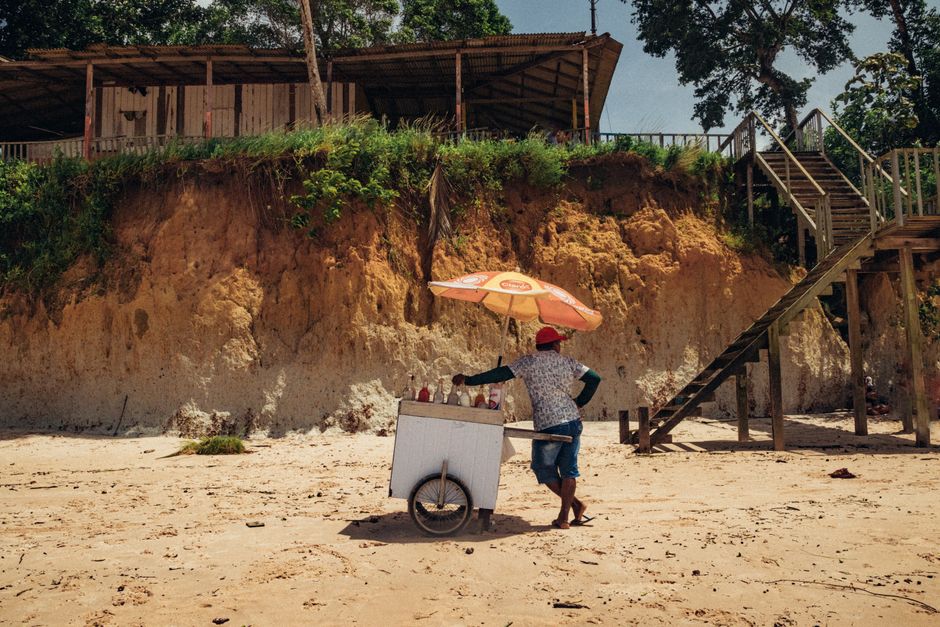
In Brazil, evaluate the security risks of Rio’s less-traveled areas. The city has a high crime rate, particularly in neighborhoods that are not tourist-friendly. Many travelers suggest avoiding favelas unless accompanied by a local guide.
For those considering the Guianas, such as French Guiana, be aware of the high transport barriers, which can complicate travel plans. Cities like Georgetown in British Guiana are generally safe but still require standard precautions.
Embrace the Adventure Confidently
Planning safe solo travel through South America requires smart preparations and awareness of regional risks. By addressing entry fees, transportation options, and safety practices, travelers can navigate the continent confidently. Keep these tips in mind, and you will be ready for a rewarding journey through South America.
Frequently Asked Questions about Solo Travel in South America
Which countries are safest for solo female travelers in South America?
Uruguay and Chile are widely considered the safest and most stable countries for solo travelers and female travelers in the region.
Is it expensive to travel solo in South America?
While places like Bolivia, Peru, and Ecuador are highly budget-friendly, regions like Patagonia (Chile and Argentina) and the Galapagos Islands can be quite expensive, requiring careful budget planning.