
How to Get Free Hotel Upgrades and Secure Luxury Amenities Without Paying Extra
Emphasizing the hidden world of luxury travel perks and upgrades, this article serves as an insider’s guide to unlocking exclusive experiences that most travelers miss out on, without requiring a huge budget.
Understanding how to secure free hotel upgrades and complimentary luxury amenities can transform a standard stay into something special, all while being mindful of your wallet.
Many travelers overlook the strategies that can be employed to enhance their hotel experience without breaking the bank.
This guide will give you actionable tips to navigate the complex landscape of hotel upgrades, ensuring you get the most out of your next trip.
📋 Table of Contents
-
1
Tip 1: Understand the Decision Hierarchy Behind Room Allocations
-
2
Tip 2: Book Through Preferred Partner Programs Over Standard OTAs
-
3
Tip 3: Master the 48 to 72 Hour Pre-Arrival Contact Window
-
4
Tip 4: Use Precise Communication Scripts and Avoid Entitlement Traps
-
5
Tip 5: Time Your Check-In to Avoid Peak Pressure Hours
-
6
Tip 6: Target Alternative Value Perks Like Executive Lounge Access
-
7
Tip 7: Leverage Premium Credit Cards and Automatic VIP Status
-
8
Before You Travel
-
9
Frequently Asked Questions
Tip 1: Understand the Decision Hierarchy Behind Room Allocations
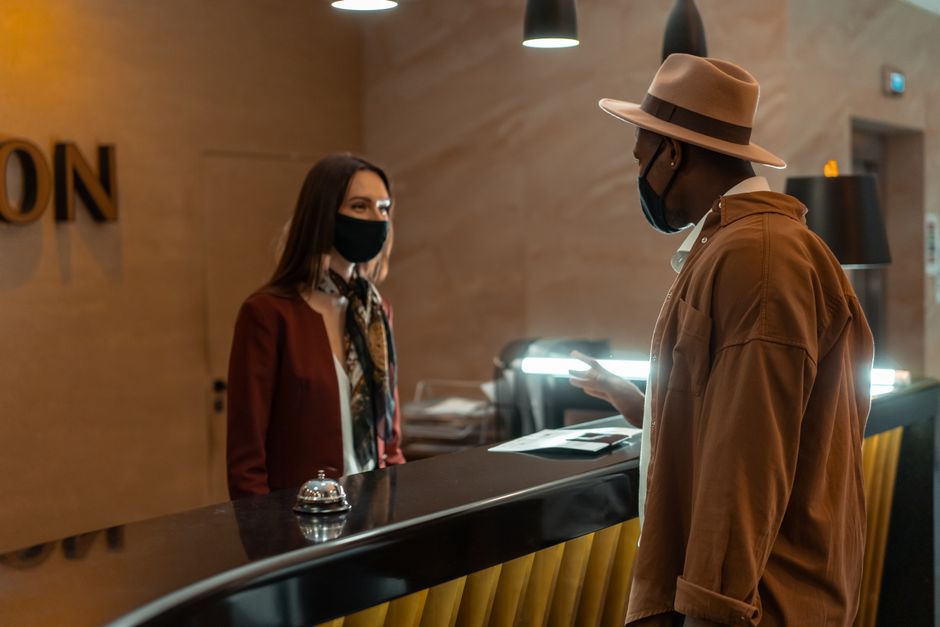
Understanding the decision hierarchy behind room allocations is crucial for securing upgrades.
Hotel front desk teams utilize morning reports and predictive occupancy models to determine room inventory and expected occupancy days or weeks in advance. Factors such as guest profiles and loyalty status are key in pre-designating upgrade priorities.
For example, five-star properties, including Four Seasons and Mandarin Oriental, often prioritize guests with high loyalty status or those who booked directly.
Many travelers report that last-minute requests typically have a lower chance of success, as rooms are often committed to guests before arrival. Knowing this system can help you strategize your booking and communication effectively.
Tip 2: Book Through Preferred Partner Programs Over Standard OTAs
Booking through preferred partner programs can significantly enhance your chances of receiving an upgrade. Authorized preferred partner agencies like the Four Seasons Preferred Partner (FSPP) or Marriott STARS offer formal upgrade priority benefits that standard OTAs, such as Expedia or Booking.com, do not. A common complaint among travelers is that those booked through third-party sites rarely get priority for upgrades.
By opting for a preferred partner program, you can often secure benefits like complimentary breakfast or late check-out, alongside higher chances of room upgrades. The investment in these programs may seem higher upfront, but the potential savings and enhancements can outweigh the costs.
Tip 3: Master the 48 to 72 Hour Pre-Arrival Contact Window
Mastering the 48-hour to 72-hour pre-arrival contact window can be pivotal for securing a room change. Reaching out to the hotel’s guest relations team during this optimal window is widely recognized as the most effective strategy. Many travelers report that a polite email expressing interest in any available upgrades can yield positive results.
Timing your communication correctly allows the hotel to assess their inventory and consider your request before finalizing room allocations. This approach is particularly advantageous for luxury properties like Four Seasons Paris or Aman locations, where guest preferences are often prioritized.
Tip 4: Use Precise Communication Scripts and Avoid Entitlement Traps
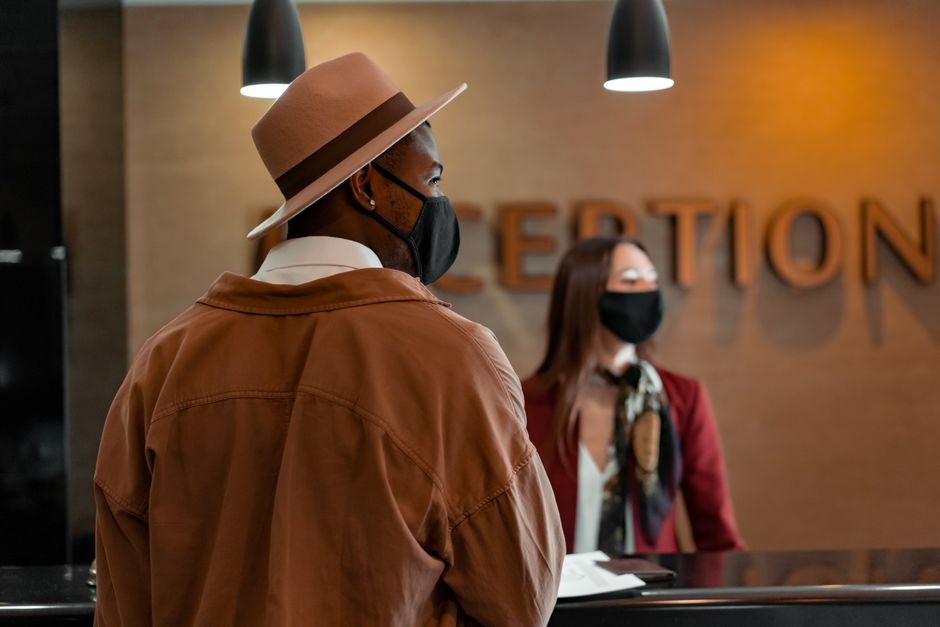
Using precise communication scripts and avoiding entitlement traps can make a significant difference in your upgrade requests. The language you use when asking for an upgrade matters.
Requests that sound humble and acknowledge special occasions, like anniversaries, are more likely to be well-received.
Many guests inadvertently come off as demanding by mentioning influencer status or expecting upgrades without any context.
It is advisable to keep your requests warm and specific, without pressuring the front desk staff. Some visitors find that mentioning an occasion, while politely expressing a desire for an upgrade, can lead to confirmation of upgrades without sounding entitled.
Tip 5: Time Your Check-In to Avoid Peak Pressure Hours
Timing your check-in can influence your chances of receiving an upgrade. Avoiding peak pressure hours, particularly mid-afternoon check-in times, can be beneficial.
Many travelers find that arriving early in the morning or later in the evening provides a better opportunity for flexibility from the front desk agents.
During peak hours, staff may be overwhelmed, leading to less favorable outcomes for upgrade requests.
Targeting these secondary windows when real-time inventory is more accessible can help you secure better accommodations at no additional cost.
Tip 6: Target Alternative Value Perks Like Executive Lounge Access
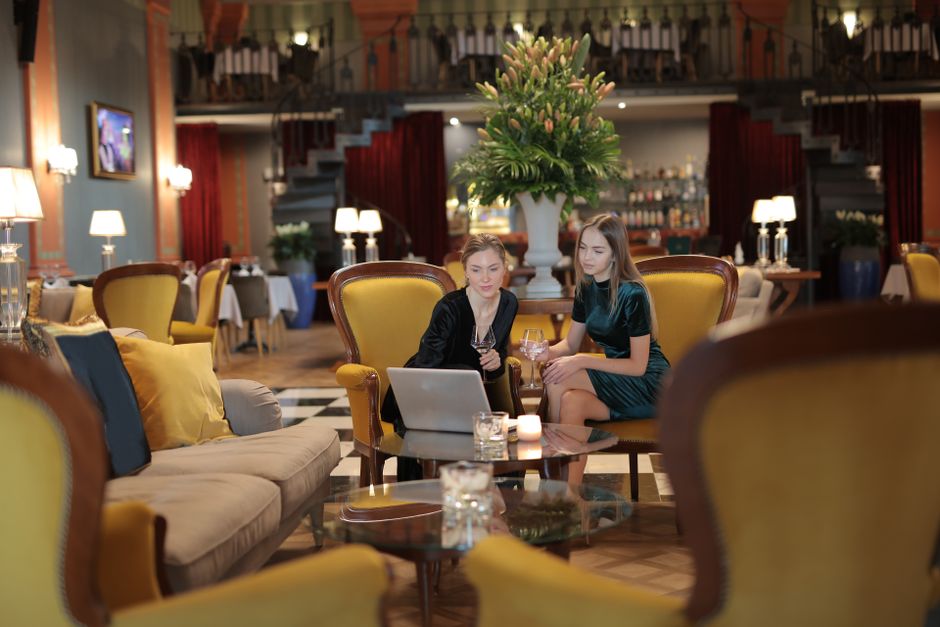
When room upgrades are capped or unavailable, targeting alternative luxury perks like executive lounge access can be a smart strategy.
Many guests report that negotiating for amenities such as complimentary breakfast or spa credits can enhance their overall experience.
Properties like Marriott Bonvoy or Hilton often provide these options, particularly for elite members.
Understanding what alternatives are available can make your stay feel luxurious without the need for a room upgrade. Travelers should not hesitate to ask for these perks, especially if they have exhausted upgrade options.
Tip 7: Leverage Premium Credit Cards and Automatic VIP Status
Leverage premium credit cards and their associated luxury hotel programs to secure automatic elite benefits and upgrades.
Programs tied to cards like American Express often include perks such as daily breakfast, hotel credits, or early check-in, all without the need for negotiation.
Many travelers appreciate that these benefits are built into the reservation, offering upgrade priority without asking.
The use of these cards can enhance your stay significantly while ensuring you pay the same rate as other guests. This approach allows value-conscious travelers to enjoy luxury amenities without incurring extra costs.
Before You Travel
Careful planning, choosing the right booking methods, and polite communication can outperform luck when securing premium hotel upgrades.
Understanding the hierarchy behind room allocations, utilizing preferred partner programs, and knowing the best timing for communication can greatly enhance your chances.
Furthermore, avoiding peak check-in times and targeting alternative luxury perks can ensure a more enjoyable stay.
By following these strategies, travelers can experience luxury accommodations without the hefty price tag.
Frequently Asked Questions
How can I get a free hotel room upgrade?
The most effective method is booking through a preferred partner agency or sending a polite, unpressured email to the guest relations team 48 to 72 hours before check-in.
What are the fundamental principles behind hotel upgrades and how do they actually work?
Hotels allocate upgrades prior to arrival based on a strict hierarchy: recognized loyalty elite members and preferred partner bookings are prioritized first over standard direct bookings and online travel agencies.
What is the most effective booking method for securing hotel upgrades?
Booking through authorized preferred partner programs like Four Seasons Preferred Partner or Marriott STARS consistently provides formal, pre-documented upgrade priority that outperforms standard loyalty programs.
When is the best time to request a hotel upgrade?
Request an upgrade pre-arrival 48 to 72 hours before check-in via email, or target early morning and late evening check-in times when the front desk is under less pressure.
Which approach yields more upgrades: hotel loyalty status or booking through preferred partner programs?
Preferred partner programs yield more reliable upgrades because they carry a pre-negotiated, formal contractual priority benefit, whereas loyalty program upgrades are highly discretionary and often capped.