

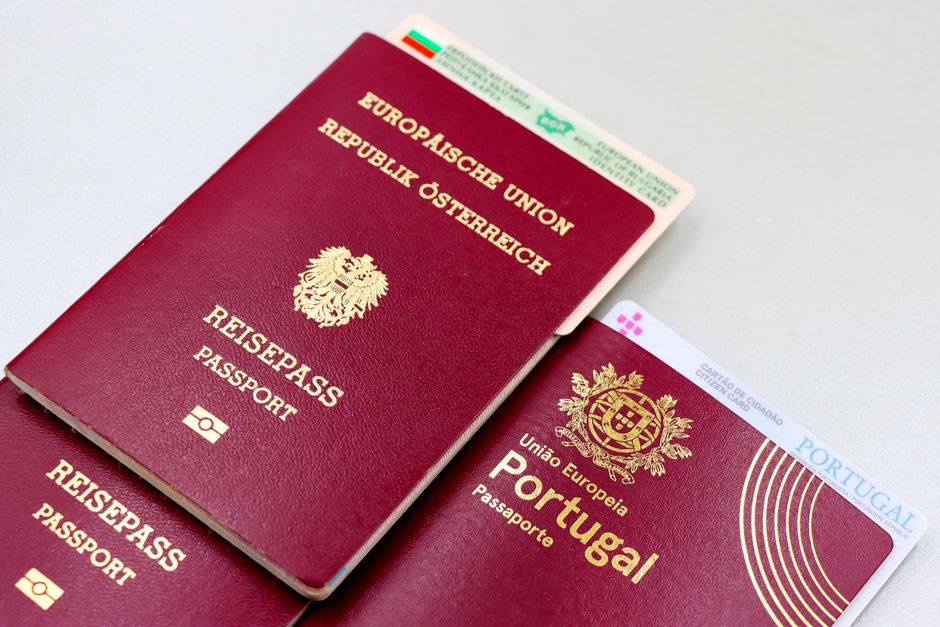
8 Essential Travel Documents to Prepare Before Going Abroad
Arriving at airport border control without proper paperwork can disrupt your international itinerary before it even begins. Many travelers experience anxiety or even miss their flights due to missing documents. Being meticulously prepared with all essential paperwork provides peace of mind and ensures a smooth journey.
Here are the eight most important travel documents you need before traveling abroad.
📋 Table of Contents
- 1 1. Valid Passport with Six Months Remaining Before Expiration
- 2 2. Travel Visas or Electronic Travel Authorizations
- 3 3. International Health and Vaccination Records
- 4 4. Comprehensive Travel and Medical Insurance Certificates
- 5 5. Printed Travel Itinerary and Booking Confirmations
- 6 6. Official Prescriptions and Physician Attestation Letters
- 7 7. Minor Consent Forms and Legal Guardianship Authorizations
- 8 8. Digital Backups and Estate Vault Contact Documentation
- 9 Before You Travel
- 10 Frequently Asked Questions
1. Valid Passport with Six Months Remaining Before Expiration
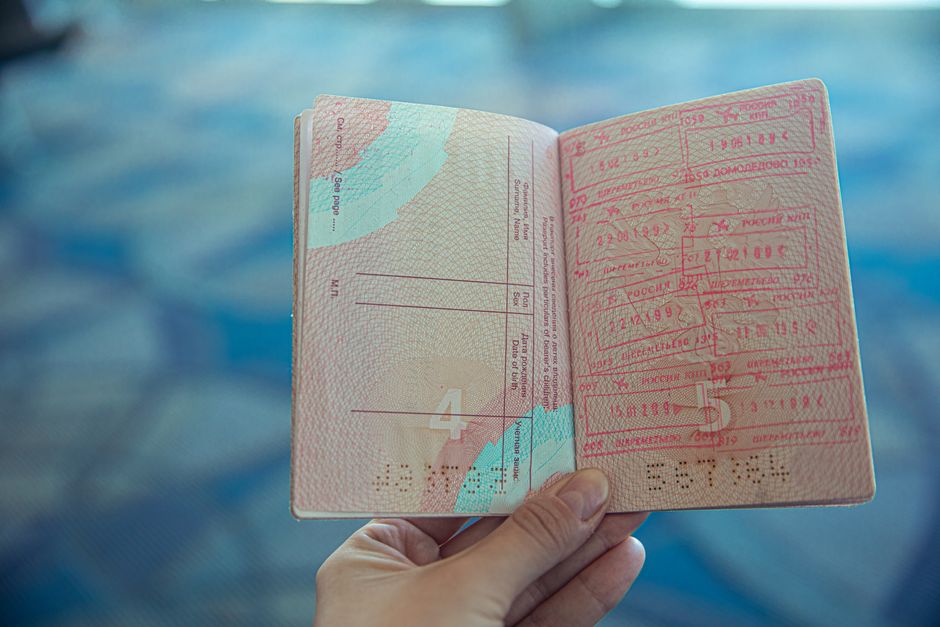
Carrying a valid passport with at least six months remaining before expiration is mandatory across most international borders. Many countries will deny entry if your passport does not meet this requirement, leading to potential travel disruptions. An estimated 60,000 travelers are turned back at destination or transfer points each year due to documentation errors.
Always check the expiration date before planning your trip, and remember that some immigration authorities may also have additional requirements. Keeping a photocopy of your passport in a separate location can help if your passport is lost or stolen. A common complaint is that travelers often forget to renew their passports until the last minute, which can lead to rushed applications and increased fees.
2. Travel Visas or Electronic Travel Authorizations

Securing travel visas or electronic travel authorizations (ETAs) before departure is crucial to prevent boarding denials at airport check-in desks. Requirements vary by country, so it is essential to check the entry rules and regulations well in advance. For instance, travelers from the U.S. may need a visa for certain destinations like Australia.
The cost of a visa can range from $10 to over $100, depending on the country and type of visa. Many travelers report confusion regarding the application process, especially for electronic visas, which can lead to delays. It is advisable to use resources like IATA Timatic to verify visa requirements for your specific itinerary, as this can save time and hassle.
3. International Health and Vaccination Records

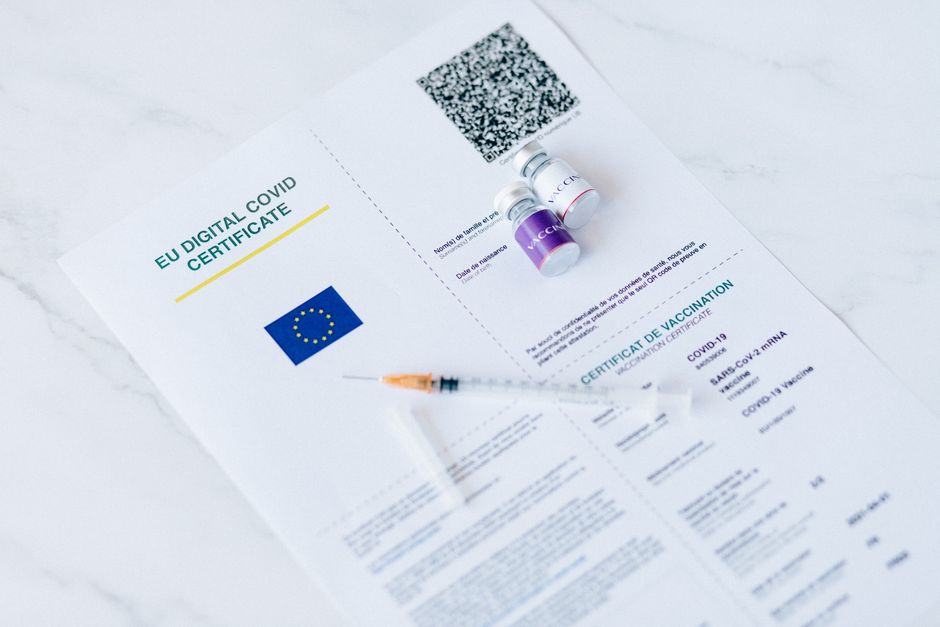
Certain destinations enforce strict health entry requirements, making international health and vaccination records necessary. For example, a yellow fever vaccination certificate is required for entry into some countries if you are traveling from a risk area. The Centers for Disease Control and Prevention (CDC) recommends carrying updated immunization records, especially if traveling to regions with specific health risks.
A common complaint is that travelers sometimes overlook these health documents until it’s too late. It is smart to consult health advisories for your destination and ensure that you have all necessary vaccinations well before your trip.
4. Comprehensive Travel and Medical Insurance Certificates
Carrying comprehensive travel and medical insurance certificates protects you from out-of-pocket costs related to healthcare while abroad. Since domestic plans like Medicare and Medicaid do not cover expenses incurred outside the United States, having proof of overseas medical coverage is essential. Costs for travel insurance typically range from $50 to several hundred dollars, depending on the level of coverage and duration of travel.
Many travelers find themselves unprepared for unexpected medical emergencies, leading to significant financial burdens. Consulting providers like WorldTrips or Atlas Travel can help you find a suitable plan that fits your needs.
5. Printed Travel Itinerary and Booking Confirmations

Having printed travel itineraries and booking confirmations helps clear border questioning and quickly resolves check-in system errors. Printouts of flight details, accommodation reservations, and car rental confirmations are often required during immigration checks. While many travelers rely on digital copies, having physical documents can expedite the process, especially if technology fails.
A common issue is that some travelers forget to print these documents, leading to confusion and delays at the airport. To avoid this, always check your reservation details a few days before departure and print everything you might need.
6. Official Prescriptions and Physician Attestation Letters

Bringing official prescriptions and physician attestation letters for any medications you carry can avoid confiscation and legal complications with foreign customs authorities. It is essential to have a clear prescription letter, especially for controlled substances. The State Department and CDC recommend this practice to ensure compliance with international laws.
Many travelers report issues with customs when failing to have proper documentation for their medications. Preparing these documents ahead of time and keeping them accessible during your journey can prevent unnecessary stress.
7. Minor Consent Forms and Legal Guardianship Authorizations

When traveling internationally with a child without both parents present, notarized minor consent forms and legal guardianship authorizations are necessary. These documents help satisfy child protection protocols and can facilitate smoother border crossings. Many travelers are unaware of these requirements, leading to delays or even being denied entry.
It is advisable to prepare these forms well in advance and consult resources like LawDepot for templates and guidance. A common mistake is assuming that verbal permission is sufficient, which is not the case in many countries.
8. Digital Backups and Estate Vault Contact Documentation

Storing digital backups of your important documents in secure cloud drives and leaving emergency estate details at home can safeguard against loss or theft. This practice ensures that you have access to your documents no matter what happens during your travels. Many travelers find that having a secure digital backup gives them peace of mind.
It is advisable to create an Essential Contacts Sheet, including emergency contacts and important account information. Additionally, using services like Estate Vault can help organize your information effectively.
Before You Travel
Checking document requirements early and keeping secure digital backups gives you full control over your international travel plans. By preparing these essential travel documents ahead of time, you can avoid common pitfalls and enjoy your trip with confidence.
Frequently Asked Questions
What are the most important documents to bring when traveling internationally?
The most critical documents include your valid passport, necessary visas or electronic travel entries, health certificates, travel medical insurance policy details, and booking confirmations.
Should you keep a copy of your passport on your phone?
Yes, saving a secure digital scan of your passport on your phone and in cloud storage speeds up identity verification and replacement if your physical passport is lost or stolen.
What health documents are required for international travel?
Required health documents depend on your destination, but frequently include international vaccination certificates for yellow fever or other regional health entry compliance forms.
Why is travel medical insurance proof necessary for trips abroad?
Most domestic health policies, including government plans like Medicare, do not cover international medical care, making printed insurance proof vital for emergency treatment abroad.