
Your 30-Day Blueprint: A Step-by-Step Trip Planning Guide
Planning a trip in 30 days or less can be a daunting task, but with the right approach, it’s definitely achievable. Many travelers underestimate the time and effort required to plan a successful trip, often leading to last-minute stress and missed opportunities. This step-by-step guide is designed to help you navigate the trip planning process with ease, ensuring that you make the most of your time and create an unforgettable experience.
Step 1: Define Your Quick-Trip Vision
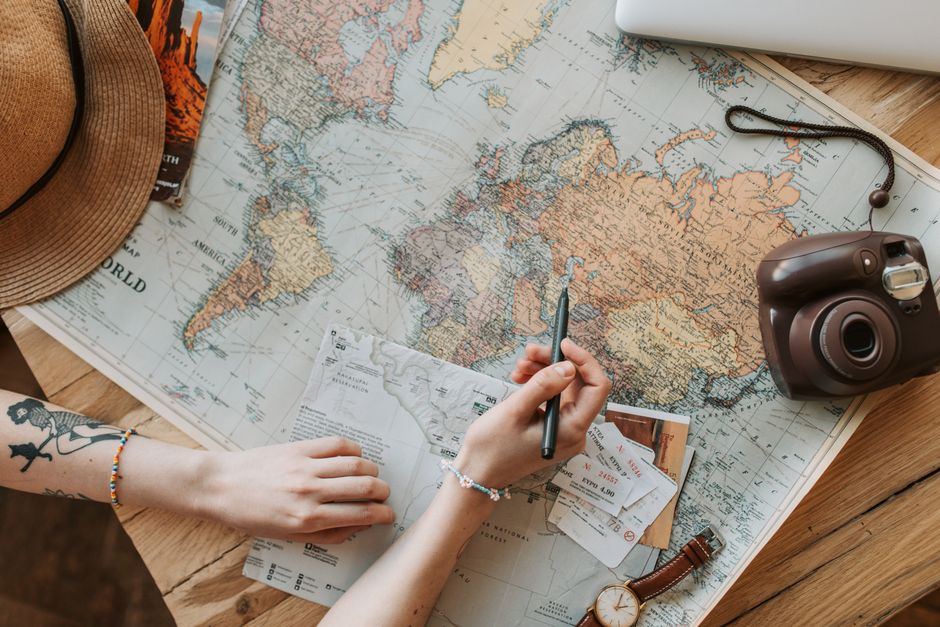
To plan a trip in 30 days or less, you need to start with a clear vision of what you want. This involves pinpointing your ideal destination, deciding on the trip duration, and setting a realistic budget range.
Begin by asking yourself what kind of vacation you’re looking for: beach relaxation, city exploration, outdoor adventure, or cultural immersion. Consider what you can realistically afford and how much time you have available.
Think about your travel style and preferences. Are you looking for a quick weekend getaway or a longer, more immersive experience? Are there specific activities or sights you want to prioritize? Having a clear idea of what you want will help you make decisions quickly and efficiently, which is crucial when planning a trip on a tight timeline.
Some key factors to consider when defining your quick-trip vision include:
- Destination: Research places that are easily accessible from your location and fit within your desired travel time.
- Duration: Decide on the number of days you have for the trip, including travel days.
- Budget: Estimate costs for transportation, accommodation, food, and activities to set a realistic budget range.
- Activities: Identify must-see sights, experiences, or activities that align with your travel preferences.
By quickly defining these elements, you’ll create a foundation for your trip planning process, allowing you to move forward with researching and booking the various components of your trip.
Step 2: Tackle the Logistics Checklist Early
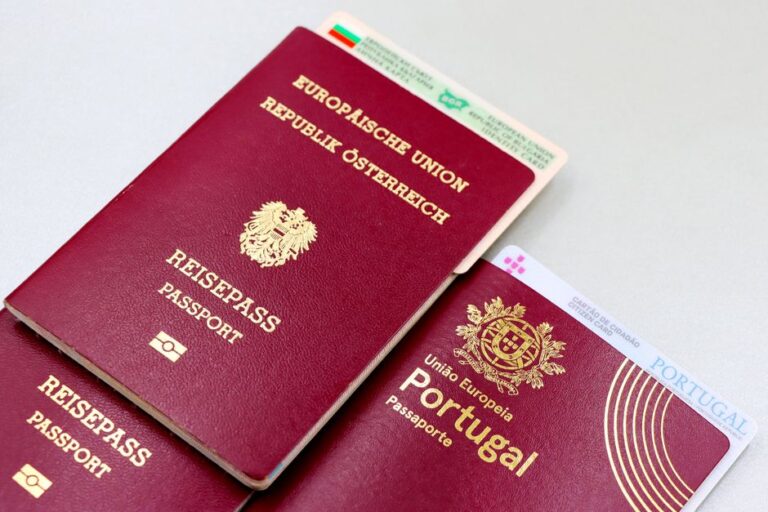
When planning a trip in 30 days or less, it’s crucial to tackle the logistics checklist early to avoid last-minute hurdles. The first thing to check is your passport validity – ensure it doesn’t expire within six months of your planned departure date from your destination.
Additionally, research visa requirements for your destination and apply as soon as possible, as processing times can vary significantly.
To further safeguard your trip, secure comprehensive travel insurance that covers unexpected medical or travel-related expenses. Consider the following key aspects when selecting a policy:
- Trip cancellation or interruption coverage
- Medical evacuation coverage
- Travel delay coverage
- Lost or stolen luggage coverage
By addressing these logistical tasks promptly, you’ll save time and reduce stress in the long run. Remember, it’s better to identify and resolve any potential issues now than to face them when it’s too late.
With your logistics in order, you’ll be free to focus on the more exciting aspects of trip planning, such as booking flights and accommodations, and exploring your destination’s attractions and activities.
Step 3: Score Smart Deals on Flights & Stays
To score smart deals on flights and stays, you need to act fast and be flexible with your travel dates. Start by researching flights on comparison sites like Skyscanner, Kayak, or Google Flights, which allow you to compare prices across different airlines and airports.
Consider flying into a nearby airport or on a less popular day, like a Tuesday or Wednesday, to potentially save hundreds of dollars.
When booking your stay, look for hotels or vacation rentals that offer free cancellation or flexible booking policies, in case your plans change.
You can use sites like Booking.com, Airbnb, or Hotels.com to compare prices and find the best deals. Some key factors to consider when booking your accommodation include:
- Location: Is it close to public transportation and the attractions you want to visit?
- Amenities: Does it have the amenities you need, such as free Wi-Fi, breakfast, or a gym?
- Reviews: What do other travelers say about the property and its service?
- Price: Is it within your budget, and are there any discounts or promotions available?
By being flexible and doing your research, you can snag the best prices on flights and stays, even on short notice.
Remember to book quickly once you find a good deal, as prices can change rapidly. With the right strategy and a little luck, you can save money and make your trip more affordable, even with just 30 days to plan.
Step 4: Craft a Flexible Itinerary
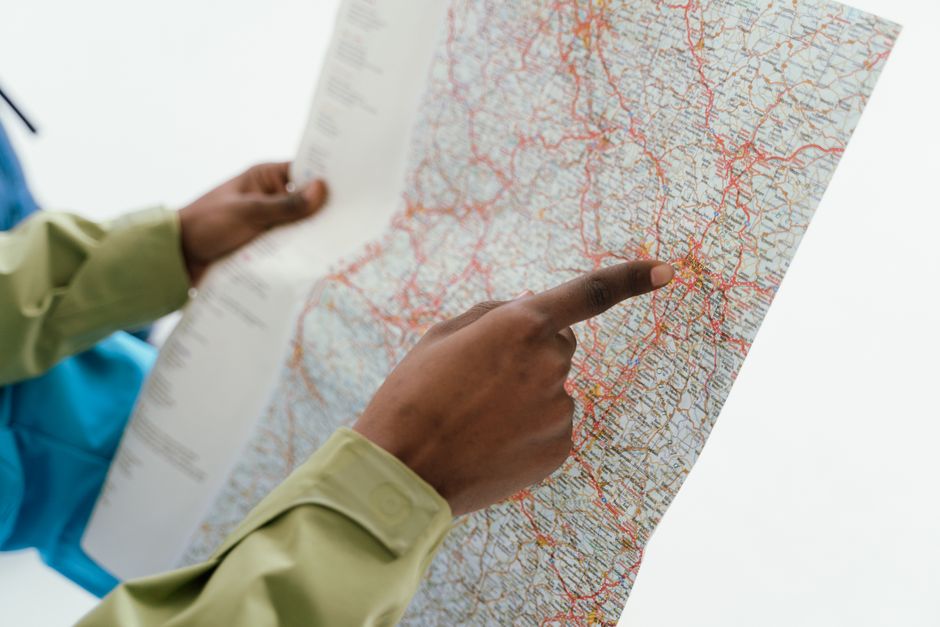
Crafting a flexible itinerary is crucial when planning a trip in 30 days or less. This involves outlining your key activities and must-see attractions while leaving room for spontaneity and authentic local experiences.
To achieve this balance, start by listing your top priorities, such as visiting iconic landmarks, trying local cuisine, or exploring nature reserves.
Consider the travel time between locations and the opening hours of attractions to avoid overplanning. A good rule of thumb is to allocate one to two main activities per day, depending on their duration and your travel style.
For example, if you’re visiting a city, you might dedicate a morning to exploring a museum and the afternoon to wandering through a local market.
Some key points to keep in mind when crafting your itinerary include:
- Researching local events and festivals that might interest you or impact your plans
- Building in downtime for relaxation or unexpected adventures
- Identifying restaurants and cafes that serve local specialties
- Leaving some space for serendipity, such as stumbling upon a hidden gem or striking up a conversation with a local
By prioritizing your must-see attractions and leaving room for flexibility, you can create an itinerary that combines structure with the freedom to embrace the unexpected.
This approach will allow you to make the most of your trip, even with a short planning window of 30 days or less.
Step 5: Master Your Travel Budget
To master your travel budget, start by establishing a daily spending plan. This involves calculating how much you can afford to spend each day, considering factors like accommodation, food, transportation, and activities.
A general rule of thumb is to allocate $30-50 per day for basic expenses in budget-friendly destinations, while more expensive locations may require $100-200 per day.
Accounting for unexpected costs is also crucial. Set aside an extra 10-20% of your total budget for emergencies, such as medical expenses or travel delays. Researching cost-saving tips can significantly reduce your expenses.
For food, consider eating at local markets or street stalls, which often offer authentic and affordable meals. For transportation, look into public transport options or walk/bike whenever possible.
Some specific cost-saving strategies include:
- Booking accommodations outside of city centers to save on lodging costs
- Using travel rewards credit cards for purchases and earning points for future trips
- Avoiding touristy areas for food and shopping to get more bang for your buck
- Researching free walking tours or museum days to save on activity costs
By implementing these strategies and sticking to your daily spending plan, you can effectively manage your travel budget and make the most of your 30-day planning timeline.
Step 6: Pack Like a Pro for a Speedy Getaway
When packing for a speedy getaway, every item counts. To avoid overpacking and those pesky checked bag fees, it’s essential to create a minimalist packing list.
Start by focusing on essentials like undergarments, socks, and a few versatile clothing items that can be mixed and matched. Consider packing clothes that can be easily dressed up or down, such as a simple dress or a pair of lightweight pants.
For a 30-day or less trip, you can likely get by with just a carry-on bag. To make the most of your luggage space, consider the following items:
- A small toiletry bag with travel-sized essentials like toothpaste, toothbrush, and any necessary medications
- A portable charger for your phone or other devices
- A lightweight rain jacket or umbrella
- A small cross-body bag or backpack for daily excursions
- Comfortable walking shoes or sandals
Remember, the key to packing like a pro is to prioritize practicality over style. You can always do a load of laundry or have clothes dried at your destination if needed.
By packing smart and light, you’ll save time, money, and stress, allowing you to focus on what really matters – enjoying your trip.
Aim to pack no more than 3-4 days’ worth of clothes, and consider wearing your heaviest or bulkiest items, like your coat or boots, on the plane to save space in your luggage.
Step 7: Pre-Trip Health & Safety Checks
When planning a trip in 30 days or less, it’s easy to overlook crucial health and safety checks. However, these precautions are vital to ensure a safe and enjoyable journey.
Start by consulting with your doctor to determine if any vaccinations or medications are required for your destination. Be sure to discuss your itinerary, including any planned activities or excursions, to get personalized advice.
In addition to medical preparations, research local safety guidelines for your destination. This includes understanding local customs, being aware of potential scams, and knowing what to do in case of an emergency. Some key things to consider include:
- Local emergency contact numbers
- Areas to avoid due to high crime rates
- Any necessary safety precautions, such as wearing a helmet when biking or using reputable transportation services
- Cultural norms and customs to respect
Finally, share your itinerary with a trusted contact, such as a family member or close friend. This should include your flight information, accommodation details, and a rough outline of your daily plans.
In case of an emergency, this will ensure that someone knows where you are and how to reach you. By taking these simple steps, you can minimize risks and have a more enjoyable and stress-free trip.
Step 8: Finalize & Confirm Everything
With just a few days left before your trip, it’s time to tie up loose ends and ensure everything is in order. Double-check all your bookings, including flights, hotels, and rental cars, to confirm the details and make any necessary adjustments.
Notify your bank and credit card companies of your travel dates, so they don’t flag your transactions as suspicious. This simple step can save you a lot of hassle and stress while abroad.
To stay organized, make digital copies of essential documents like your passport, driver’s license, health insurance card, and travel itinerary.
Store them securely in cloud storage or email them to yourself, so you can access them easily if needed. Consider scanning any paper receipts or travel vouchers and saving them digitally as well. Some key documents to digitize include:
- Passport and visa copies
- Travel insurance documents
- Hotel reservation and confirmation numbers
- Flight itinerary and boarding passes
- Any pre-booked tour or activity vouchers
By taking these final steps, you’ll enjoy peace of mind knowing that you’re fully prepared for your trip. Take a few minutes to review your plans one last time, and you’ll be ready to embark on your journey with confidence.
One Last Tip
With this 30-day blueprint, you’re well on your way to planning an incredible trip. Remember to stay flexible, be open to new experiences, and don’t hesitate to ask for help when you need it. By following these simple steps and tips, you’ll be able to create a personalized itinerary that suits your style and preferences. So why wait? Start planning your dream trip today and get ready for the adventure of a lifetime!
Frequently Asked Questions
Can I really plan a meaningful trip in under 30 days?
Absolutely, with a focused approach and efficient decision-making, you can plan a memorable and authentic trip within 30 days by prioritizing essentials and embracing flexibility.
What’s the best way to secure budget-friendly deals for a fast-approaching trip?
Focus on using flight and hotel comparison websites, setting price alerts, being flexible with travel dates and times, and considering off-peak travel or alternative airports.
Which essential travel documents should I prioritize for a quick getaway?
Ensure your passport is valid for at least six months beyond your trip, check visa requirements immediately, and have digital and physical copies of your booking confirmations and travel insurance details.
How can I pack efficiently for a trip with limited planning time?
Create a core packing list for versatile outfits, use packing cubes, prioritize multi-purpose items, and wear your heaviest clothes and shoes on travel days to maximize space.
Is it possible to find authentic local experiences on a quickly planned trip?
Yes, research local markets, small family-run eateries, and community events in advance, or ask locals for recommendations upon arrival for genuine cultural immersion.