

Imagine going from the polar cold of Antarctica to the tropical humidity of the Amazon with one well-planned set of luggage. It is possible once you separate what travels everywhere from what changes by destination.
This guide covers both. First comes the core kit every trip needs: documents, money, clothing, toiletries, medical supplies and luggage. Then you get a checklist for each of the seven continents, followed by carry-on essentials and answers to common packing questions.
Quick answer: what should you pack for all seven continents?
Bring one core kit that works everywhere (passport, insurance, a no-foreign-fee card, layering clothes, a 100 ml toiletry bag and a basic medical kit), then add destination extras: modest layers and walking shoes for Europe, breathable fabrics for Asia, altitude and waterproof gear for South America, soft-sided bags for African safaris, reef-safe sun protection for Oceania and insulated waterproof layers for Antarctica.
📋 Table of Contents
- 1Essential Travel Documents and Administrative Prep
- 2Managing Money and Payment Methods Abroad
- 3Core Clothing Rules and Building a Capsule Wardrobe
- 4Toiletries and Personal Care Products
- 5Medical Supplies and Travel First Aid Kit
- 6Selecting Luggage and Backpacks for International Travel
- 7Packing Checklist for Europe: Cobblestones and Modest Dress
- 8Packing Checklist for Asia: Tropical Humidity and Sacred Sites
- 9Packing Checklist for North America: Multi-Climate Versatility
- 10Packing Checklist for South America: High Altitudes and Amazon Treks
- 11Packing Checklist for Africa: Safari Weight Restrictions and Neutral Tones
- 12Packing Checklist for Australia and Oceania: Reef Safety and Intense Sun
- 13Packing Checklist for Antarctica: Extreme Cold and Waterproof Layers
- 14In-Flight Carry-On Gear for Long-Haul Flights
- 15Final Packing Check
- 16Frequently Asked Questions
Essential Travel Documents and Administrative Prep
Your passport is the one document you cannot easily replace on the road. Many countries require it to be valid for at least six months beyond your arrival or departure date, though rules vary: the Schengen Area, for example, generally asks for at least three months beyond departure. Make sure you also have enough blank pages for visas and entry stamps.
Visa and entry rules depend on your nationality and destination, so check each country’s official government page before you book. Buy travel insurance that covers medical care and, for remote trips such as Antarctica, evacuation. Providers like World Nomads are one option, and our travel insurance tips explain what to check in a policy.
Save digital copies of your passport, visas, insurance and bookings in a scanning app such as Scanner Pro, and keep a paper set separate from your originals. If anything goes missing, you can show officials exactly what you need replaced. Our list of 8 essential travel documents covers the rest.
Managing Money and Payment Methods Abroad
A mix of cards and cash works best. Use a credit card with no foreign transaction fees for larger purchases, and carry some local currency for small vendors, tips and rural areas where cards are rarely accepted.
Withdrawing cash from a bank ATM usually gives a better rate than an airport exchange kiosk, which tends to charge higher fees. If a machine or card terminal offers to bill you in your home currency, choose the local currency instead to avoid poor conversion rates. Tell your bank your travel dates and ask about international debit-card fees before you leave, and use Google Maps to find ATMs on arrival. Our guide to exchanging money without hidden fees goes deeper.
Core Clothing Rules and Building a Capsule Wardrobe
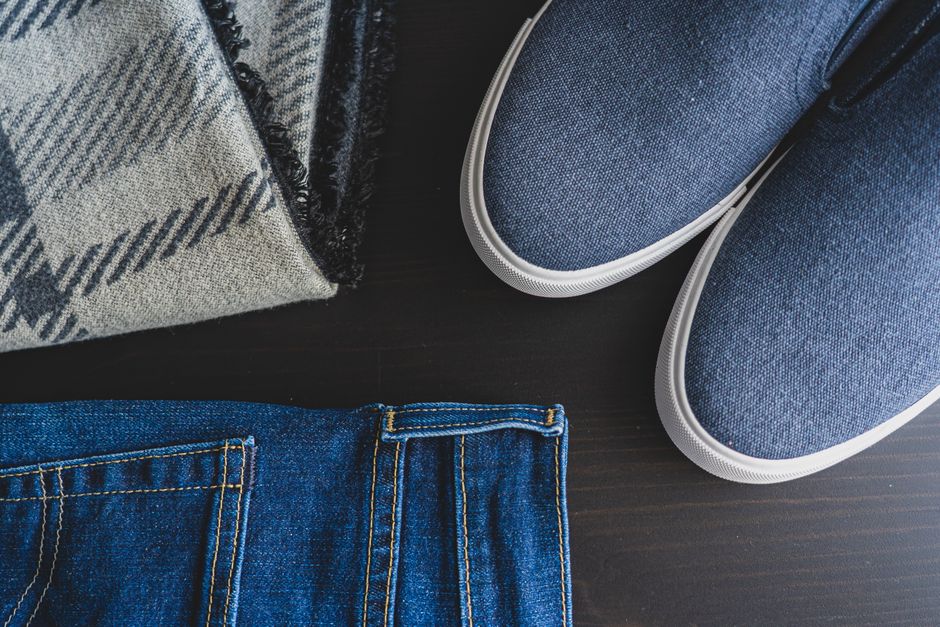
Pack for layering and versatility rather than for every occasion. The popular 5-4-3-2-1 formula keeps it simple: five pairs of socks and underwear, four tops, three bottoms, two pairs of shoes and one hat. Choose moisture-wicking or merino fabrics that dry quickly and work across climates.
Build a capsule wardrobe around a neutral palette so every piece mixes and matches, and favor items that work in several settings, such as a lightweight jacket that goes from daytime sightseeing to dinner. Bulky items like denim and heavy coats take up the most space, so wear them on travel days. Our one-bag packing guide has more tactics.
Toiletries and Personal Care Products
In carry-on luggage, liquids, gels and aerosols must generally be in containers of 3.4 oz (100 ml) or less, packed together in one clear resealable bag. Limits vary slightly by country and airport, so confirm with your airline before you fly.
Solid products such as shampoo bars, or refillable travel capsules like Cadence, reduce spills and keep you inside the liquid limit. Pack prescriptions in their original packaging in your carry-on, since not all medicines are available abroad. Stick to travel sizes for everyday items, and buy bulky ones at your destination if you are staying a while.
Medical Supplies and Travel First Aid Kit
A compact first aid kit covers the most common travel problems: motion sickness, poor sleep, stomach upsets and minor injuries. Include your prescription medications, a motion-sickness remedy such as Dramamine, melatonin if you use it for jet lag, electrolyte or oral rehydration packets, insect repellent, pain relievers, bandages and antiseptic. Ask your doctor before starting any new medication or supplement.
Some destinations need extra planning. Talk to a doctor or travel clinic well before departure about vaccinations, malaria prevention and, for high-altitude trips, altitude sickness. Rules on controlled medicines differ by country, so check that yours are allowed. Our guide to staying healthy across multiple countries has more.
Selecting Luggage and Backpacks for International Travel
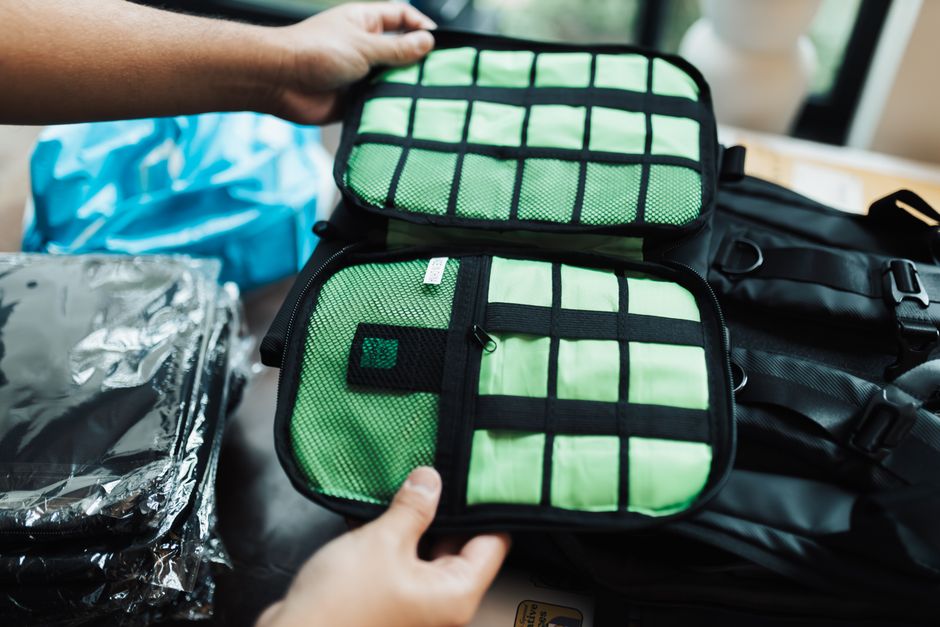
Choose luggage based on trip length, how often you will move between places and each airline’s limits. Hard-shell spinners such as the Travelpro Platinum Elite Large Check-In are durable and roll easily. Duffels such as the Patagonia Black Hole Duffel are flexible and suit soft-sided luggage rules. Travel backpacks such as the Cotopaxi Allpa 35L work well for carry-on-only trips and uneven terrain.
Prices vary widely by brand, size and retailer, so compare before you buy. Weight limits are a common sticking point, especially on budget airlines and small regional or safari flights, so check the allowance for every flight on your route, not just the first one.
Packing Checklist for Europe: Cobblestones and Modest Dress
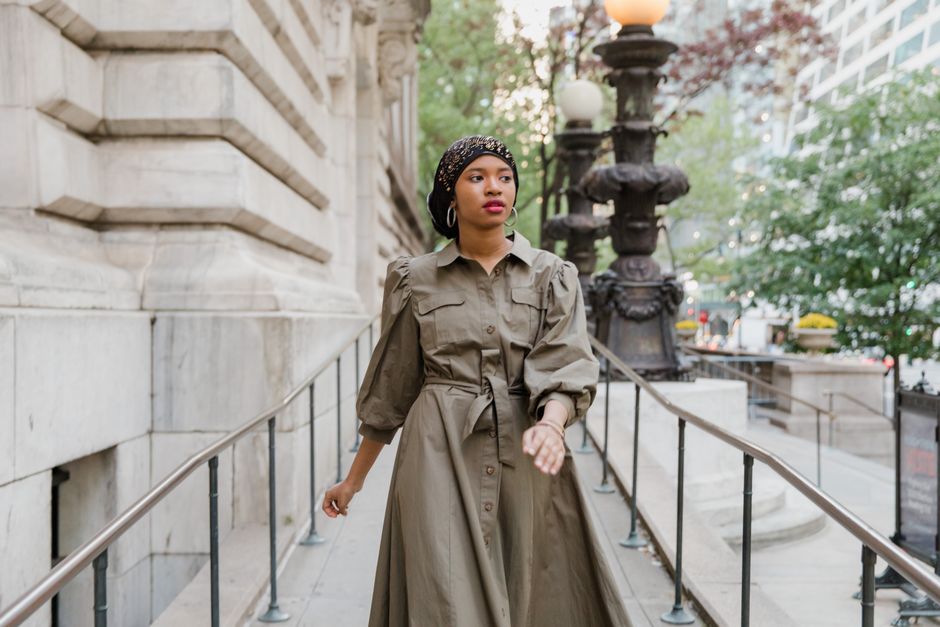
Europe rewards comfortable walking shoes and flexible layers. Many historic centers are paved with cobblestones, so choose supportive, broken-in shoes with good grip. Weather shifts quickly by season and region, so pack a light rain jacket or compact umbrella. Visiting in winter? Add thermal layers and see our guide to Europe’s best winter destinations.
Modest dress matters more than many visitors expect. Churches in cities such as Rome commonly require covered shoulders and knees, and St. Peter’s Basilica in Vatican City enforces this strictly. A light scarf doubles as a cover-up and a warmth layer, and smart-casual outfits suit restaurants in cities like Paris and London.
Europe packing checklist:
- Broken-in walking shoes with good grip
- Light layers, a packable rain jacket or compact umbrella
- Scarf or shawl for churches and cool evenings
- Tops that cover shoulders and bottoms that cover knees for religious sites
- One smart-casual outfit
- Plug adapter (Type C/E/F for most of continental Europe, Type G for the UK and Ireland)
- Secure crossbody bag for crowded areas
Packing Checklist for Asia: Tropical Humidity and Sacred Sites
Asia ranges from tropical Southeast Asia to snowy winters in northern Japan, Korea and Mongolia, so check the season for each stop. In humid regions, pack lightweight, breathable fabrics that dry quickly, plus slip-on shoes that are easy to remove at temples, homes and some restaurants.
Many temples in Japan, Thailand and Indonesia (including Bali) expect covered shoulders and knees, and some lend or rent sarongs. Insect repellent matters in areas with mosquito-borne illnesses such as dengue, and a compact rain jacket handles sudden downpours in the wet season. For etiquette tips, see our Japan customs guide and our Bali travel guide.
Asia packing checklist:
- Lightweight, breathable, quick-dry shirts and trousers
- Scarf, sarong or light shawl to cover shoulders and knees at temples
- Slip-on shoes or sandals
- Compact rain jacket
- Insect repellent, sunscreen and a hat
- Universal plug adapter, since plug types vary widely across the region
Packing Checklist for North America: Multi-Climate Versatility
North America spans desert heat, mountain cold, coastal fog and northern winters, so layers matter more than any single item. Mountain weather in national parks can change within hours, and a warm fleece and rain shell are worth their weight even on summer trips.
Pack sturdy hiking boots for parks and trails, and versatile smart-casual clothing for cities such as New York or Los Angeles. Sunglasses are essential for driving and for strong sun at altitude. The US, Canada and Mexico mainly use Type A/B plugs at roughly 110 to 127 volts, so most travelers from outside the region will need an adapter.
North America packing checklist:
- Broken-in hiking boots
- Fleece or insulating layer and a waterproof shell
- Sunglasses, sunscreen and a refillable water bottle
- One or two smart-casual outfits for cities
- Type A/B plug adapter if needed
- Entry authorization such as ESTA or eTA, depending on your nationality
Packing Checklist for South America: High Altitudes and Amazon Treks
South America combines high Andean passes, humid rainforest and windy Patagonian steppe, often within a single trip. Altitude sickness can affect travelers above roughly 2,500 m (8,200 ft), including popular stops such as Cusco in Peru and La Paz in Bolivia, so pack warm layers and discuss prevention with a doctor before you go. Patagonia is more about wind and fast-changing weather than altitude.
Durable hiking footwear, quick-dry trekking clothes and a dry bag form the core of a trekking kit. For the Amazon, add lightweight long sleeves and trousers, strong insect repellent and waterproof protection for gear. Some countries require proof of yellow fever vaccination, and the vaccine is recommended for parts of the Amazon basin, so confirm current requirements with a doctor or travel clinic.
South America packing checklist:
- Broken-in hiking boots
- Warm layers for cold Andean nights, plus a sun hat for strong daytime UV
- Quick-dry long-sleeve shirts and trousers
- Waterproof jacket and a dry bag
- Insect repellent and sunscreen
- Altitude plan and vaccination records agreed with your doctor
Packing Checklist for Africa: Safari Weight Restrictions and Neutral Tones
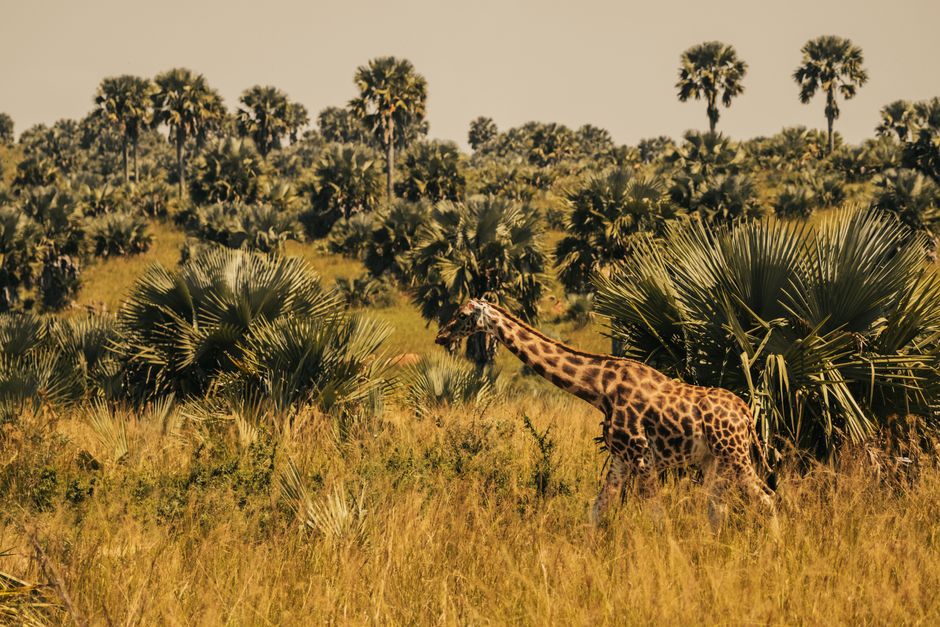
Safari trips often use small charter aircraft with strict baggage limits, commonly around 15 kg (33 lb) and sometimes including carry-on. Use a soft-sided duffel rather than a hard suitcase, because it fits small cargo holds more easily, and confirm the exact limit with your operator.
Choose neutral clothing in khaki, olive or beige, which hides dust and keeps you from standing out. Avoid camouflage patterns, which are illegal for civilians in several African countries, and avoid dark blue and black, which can attract tsetse flies in some regions. Binoculars and a good sun hat are worth the weight. Ask your doctor about malaria prevention and vaccinations well in advance.
Africa packing checklist:
- Soft-sided duffel within your airline and charter weight limit
- Neutral long-sleeve shirts and trousers, with no camouflage
- Warm layer for chilly early-morning game drives
- Binoculars
- Wide-brim hat, sunglasses and sunscreen
- Insect repellent and any malaria prevention your doctor advises
- Dust protection for cameras and phones
Packing Checklist for Australia and Oceania: Reef Safety and Intense Sun
Sun protection comes first. UV levels in Australia and across the Pacific are intense, so pack broad-spectrum sunscreen, UV-protective swim shirts, a wide-brimmed hat and polarized sunglasses. Choose reef-safe sunscreen to protect marine ecosystems; some Pacific destinations, such as Palau and Hawaii, restrict sunscreens containing certain chemical filters.
Biosecurity rules in Australia and New Zealand are strict. Declare food, plant material and outdoor gear, and clean hiking boots and tents before you arrive to avoid delays or fines. In northern Australia, marine stingers are common roughly from November to May, so a stinger suit is a smart addition for swimming. Both countries use Type I plugs, so pack an adapter.
Australia and Oceania packing checklist:
- Reef-safe, broad-spectrum sunscreen
- UV swim shirt, plus a stinger suit for northern waters in season
- Wide-brim hat and polarized sunglasses
- Casual sandals and reef shoes
- Clean hiking boots for biosecurity checks
- Type I plug adapter
Packing Checklist for Antarctica: Extreme Cold and Waterproof Layers
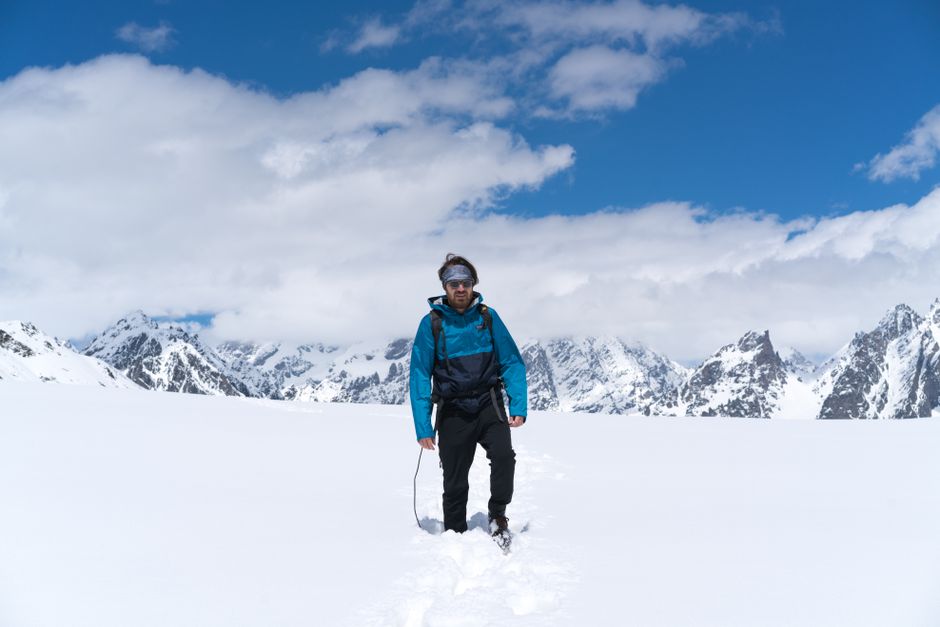
Most Antarctic trips are expedition cruises, and your operator will send a packing list. Many supply a waterproof parka and loan rubber boots for landings, so confirm before you buy. What you bring yourself should be built around layers: wool or synthetic base layers, an insulating mid-layer, waterproof outer trousers, and insulated waterproof gloves with thin liners. Avoid cotton, which stays wet and cold.
Crossing the Drake Passage can be rough, so bring seasickness medication that you have discussed with your doctor. Sunglasses or goggles and high-SPF sunscreen are essential because snow and ice reflect strong glare. Operators also ask you to clean boots, outerwear and bags to avoid introducing seeds, and many require insurance that covers medical evacuation.
Antarctica packing checklist:
- Wool or synthetic base layers
- Fleece or down mid-layer
- Waterproof outer trousers
- Insulated waterproof gloves with liners, warm hat and neck gaiter
- Sunglasses or goggles and high-SPF sunscreen
- Seasickness medication
- Dry bags for cameras and electronics
- Travel insurance with medical evacuation cover
In-Flight Carry-On Gear for Long-Haul Flights
Your carry-on should hold everything you cannot afford to lose or will need in flight: passport, wallet, prescriptions, phone, chargers, valuables and a spare change of clothes in case your checked bag is delayed. A compact pack such as the Aer Travel Pack 3 keeps it all organized and within reach.
For comfort on long hauls, noise-canceling headphones, a travel pillow, compression socks and an empty refillable water bottle make a real difference. Keep power banks and spare lithium batteries in your carry-on, since airlines generally do not allow them in checked bags. For more ideas, see our travel accessories you will actually use and our airport hacks.
Final Packing Check
Before you close your bags, confirm three things: entry and health requirements for every destination, weight limits for every flight, and that your documents, medications and chargers are in your carry-on. A core kit plus continent-specific extras lets you travel light without sacrificing the gear you will actually need.
Want a shorter version? Try our 10 must-have items checklist and our international travel safety checklist before you board.
Frequently Asked Questions
What is the 5-4-3-2-1 rule for packing?
The 5-4-3-2-1 rule is a minimalist packing formula: 5 pairs of socks and underwear, 4 tops, 3 bottoms, 2 pairs of shoes and 1 hat. It works as a starting point for trips of a week or more when you plan to do laundry.
What is the 3-5-7 rule for packing?
Several versions of the 3-5-7 rule circulate online. A popular one suggests 3 pairs of shoes, 5 tops and 7 pairs of socks and underwear for a week-long trip. It is looser than the 5-4-3-2-1 formula, so adjust the numbers to your destination and how often you can wash clothes.
What is the most forgotten item when packing for a trip?
Prescription medications, phone chargers, plug adapters and copies of travel insurance documents are among the items travelers most often forget. Keep them on your checklist and pack them in your carry-on.
How do you pack light for a long trip?
Choose a neutral color palette, wash clothes mid-trip, pick lightweight multi-purpose fabrics such as merino wool, and limit yourself to two pairs of shoes. Wear your bulkiest items on travel days.
How do you pack for several climates in one trip?
Build around layers: a base layer, an insulating mid-layer and a waterproof shell. Add destination-specific extras only where needed, and rent or borrow specialist gear, such as Antarctic parkas, through your tour operator.
Do I need a travel adapter?
Usually yes. Plug shapes and voltages differ by region, so a universal adapter is the simplest fix. Check that your chargers support 100 to 240 volts, which most modern phone and laptop chargers do.
What should I keep in my carry-on for a long-haul flight?
Keep your passport, wallet, prescriptions, phone, chargers and power bank, a change of clothes, and comfort items such as headphones and a travel pillow. Anything valuable or irreplaceable belongs in your carry-on, not your checked bag.